The aircraft carriers born from a treaty's cancellation of warships
In short: During the 1920s, a naval treaty forced the United States to cancel several massive battlecruisers. Instead of scrapping the hulls, the Navy performed a radical conversion. These ships became the first operational carriers in the fleet, serving as experimental testbeds to develop the aviation tactics that would define future warfare.
The USS Lexington and USS Saratoga were converted from battlecruiser hulls laid down in 1919–20. This transition followed the 1922 Washington Naval Treaty, which allowed nations to designate two unfinished ships for carrier conversion. The U.S. selected these hulls as they were furthest along in production. To stay within treaty tonnage limits while maintaining speed, the Navy utilised a clause regarding 'extra weight' for defence. This allowed the ships to displace nearly 36,000 tons, avoiding a 7-knot speed loss from a smaller power plant.
These ships were experimental testbeds for carrier aviation. They featured innovative technology like the 'bulbous bow,' which reduced water resistance by about 6% at high speeds. However, being converted battlecruisers meant they were 0.5 knots slower than purpose-built carriers and had 16% less hangar space. Despite these flaws, they proved so successful that they became the largest carriers in the U.S. Navy until 1945, serving as the primary platform for developing the tactics that would define Pacific warfare.
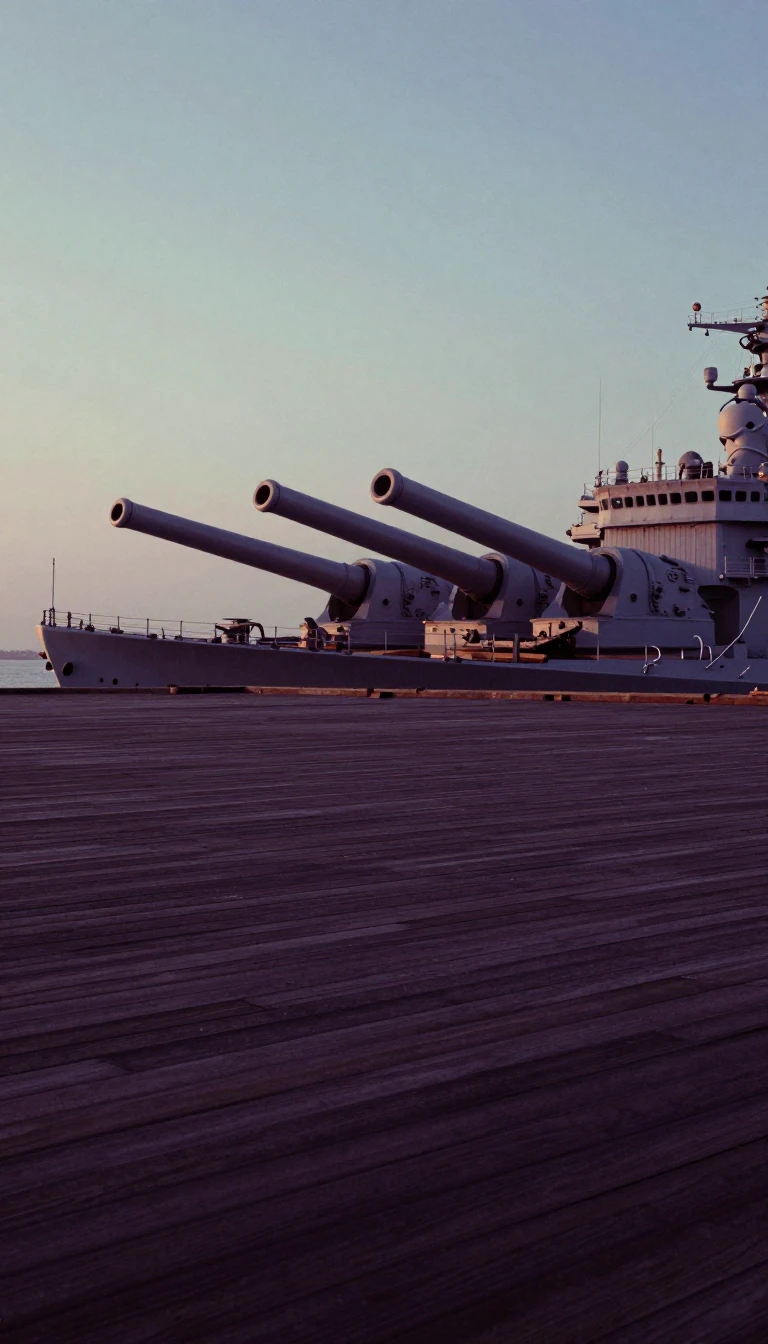
The ships also retained heavy weaponry from their original designs, including eight 8-inch/55-caliber guns in four twin turrets. While these could fire to both sides, the blast risked damaging the flight deck. Internally, they featured a massive hangar floor of 33,528 square feet, which was the largest enclosed space afloat—civilian or military—at the time of their construction. Their propulsion was a complex turbo-electric system, chosen because American companies struggled to produce the large geared turbines required for such massive hulls.
The Lexington-class proved the viability of the carrier as a primary strike weapon. During 1942, the Battle of the Coral Sea saw the USS Lexington perish in the world's initial carrier engagement. Meanwhile, the USS Saratoga survived multiple torpedoings and served through the end of 1944 before being retired. The ship was eventually purposefully sunk in 1946 during Operation Crossroads to test the effects of nuclear weapons. The ships also pioneered logistical innovations, such as the use of a flywheel-powered catapult (removed in 1934) and a specialized 'split' section of the flight deck to accommodate long aircraft. They carried a diverse range of aircraft, from 36 bombers to 18 fighters in some configurations, and were capable of carrying up to 78 aircraft in total, depending on how they utilized hangar space.
Opens the Intellect+ feed with this card first. Swipe up for the next one.
Sources
- Summary by Intellect · source: Lexington-class aircraft carrier
To cite this card, link to https://intellectplus.co.uk/app/technology-lexington-class-aircraft-carrier.
How we source, check and correct cards: Editorial standards.
General information, not professional advice. Spotted an error? Flag the card or see corrections and complaints.
Intellect Plus is a visual educational discovery platform for exploring fascinating facts and ideas. Brain Food, Not Brain Rot. What is Intellect Plus?
Related
More in Cars · More in Technology · Latest · A–Z · All topics
