Monemvasia: The Gibraltar of the East and the birthplace of a legendary wine
In short: Perched on a tied island off the Peloponnese, Monemvasia has served as a strategic fortress for over 1,400 years. Known as the Gibraltar of the East, this ancient town survived centuries of sieges, pirate raids, and shifting empires, eventually lending its name to the world-famous Malmsey wine.
Founded in the 6th century, Monemvasia was established as a fortified refuge for the inhabitants of Sparta. Its unique geography—a massive plateau rising 100 meters above the sea, connected to the mainland by a narrow 400-meter tombolo—made it a formidable defensive position. The name itself, derived from the Greek words for 'single approach,' highlights the singular, easily defended entrance that defined its military history.
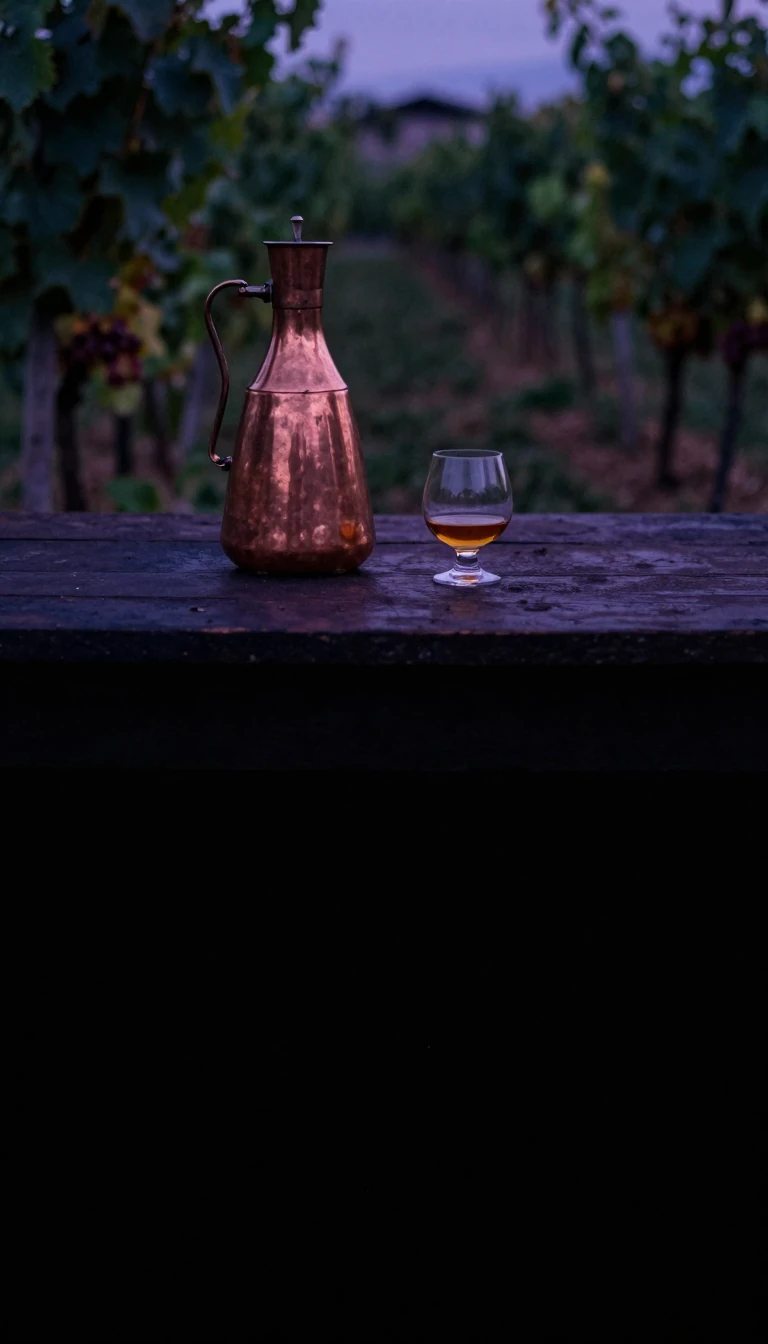
Throughout the Middle Ages, the town evolved into a vital commercial hub, serving as a guardian of the Aegean’s western entrance. Its prosperity was so significant that by 1324, it contributed 800 pyres to the Constantinople Patriarchate, more than any other metropolis. This wealth was inextricably linked to the wine trade; while the town did not grow the grapes locally, it became the primary transit point for the Malvasia variety, known in English as Malmsey, which became a household name across Europe.
The town’s history is a relentless cycle of conquest and reclamation. It changed hands repeatedly between the Byzantine Empire, the Franks, the Venetians, and the Ottomans. During the 13th-century Latin occupation, the city was a major strategic prize, and later, under Ottoman rule, it was renamed Menexe. It finally became part of the modern Greek state in 1821 after a four-month siege. Despite a long period of decline that saw its upper town abandoned and its population dwindle to just 32 residents by 1971, the site has experienced a modern renaissance as a restored historical destination.
Today, the town stands as a testament to Byzantine architecture, with the church of Hagia Sophia remaining a prominent landmark on the upper plateau. While the upper town remains uninhabited, the lower town has been revitalized through tourism and careful restoration. The site now bridges the gap between its ancient origins and its modern identity, serving as both a living museum and a popular cultural landmark.
Opens the Intellect+ feed with this card first. Swipe up for the next one.
Sources
- Summary by Intellect · source: Monemvasia
To cite this card, link to https://intellectplus.co.uk/app/wars-monemvasia.
How we source, check and correct cards: Editorial standards.
General information, not professional advice. Spotted an error? Flag the card or see corrections and complaints.
Intellect Plus is a visual educational discovery platform for exploring fascinating facts and ideas. Brain Food, Not Brain Rot. What is Intellect Plus?
Related
More in Medieval wars · More in Wars & Conflicts · Latest · A–Z · All topics
