How a fortified island city became the only Greek territory to escape Ottoman rule
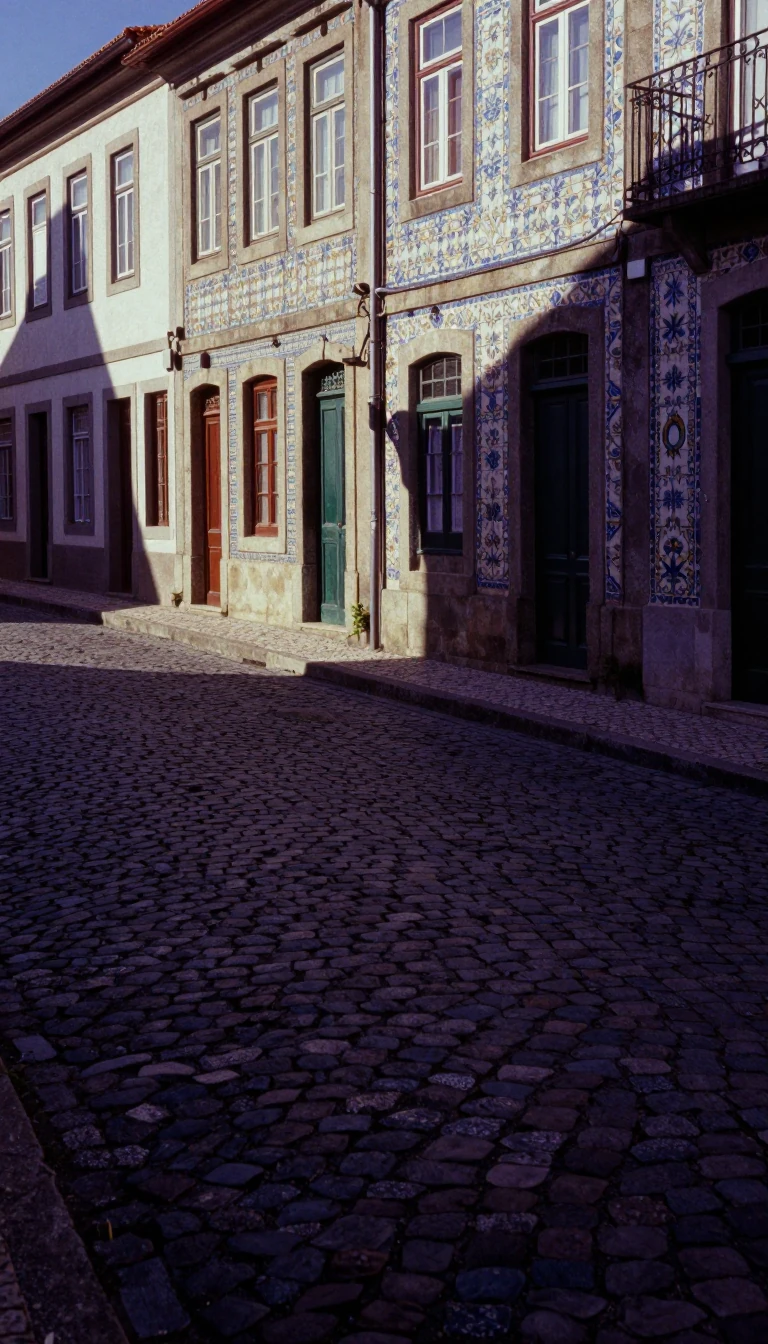
In short: Corfu city, a UNESCO World Heritage site, stands as a unique architectural fusion of Venetian, British, and French influences. Known as the Castle City, its strategic maritime defenses allowed it to remain the sole region in Greece that never fell under the control of the Ottoman Empire during its long history.
The city of Corfu, or Korkyra, has served as a major naval power since the fifth century BC, when Thucydides identified it as one of the three great maritime forces alongside Athens and Corinth. Its historical identity is defined by its role as a bastion against invasion. During the Middle Ages, the city earned the moniker Kastropolis, or Castle City, due to the two massive fortresses that protected it from pirates and Ottoman forces. Between 1386 and 1797, the island was governed by the Republic of Venice, a period that left an indelible mark on the urban landscape. The narrow lanes and multi-storied buildings of the Old Town remain a testament to this Venetian era, which successfully withstood four major sieges between 1537 and 1716.
The city's architectural evolution continued under British administration, which lasted until the mid-19th century. ICOMOS experts have noted that approximately 70% of the city's pre-20th-century structures originate from this British period. While World War II German aerial bombardments destroyed entire blocks, the city’s layout remains a quintessential example of a fortified maritime settlement. Today, the urban fabric is a mix of Neoclassical styles and older Venetian fortifications, with the Liston promenade serving as a social hub. The name Liston likely derives from a Venetian term for an evening walk, though some suggest it refers to the exclusive area once reserved for nobility listed in the Libro d'Oro.
Beyond its military history, Corfu maintains a distinct cultural character that sets it apart from the rest of Greece. It is the only place in the country where cricket is a popular sport, a legacy of British rule that persists through the Hellenic Cricket Federation, which is notably headquartered here rather than in Athens. The city also holds a significant place in political history, having elected Maria Desylla-Kapodistria as Greece's first female mayor in 1956. From the ancient ruins of Palaiopolis to the 19th-century Palace of St. Michael and St. George, the city continues to function as a living museum of Mediterranean history.
Opens the Intellect+ feed with this card first. Swipe up for the next one.
Sources
- Summary by Intellect · source: Corfu (city)
To cite this card, link to https://intellectplus.co.uk/app/places-corfu-city.
How we source, check and correct cards: Editorial standards.
General information, not professional advice. Spotted an error? Flag the card or see corrections and complaints.
Intellect Plus is a visual educational discovery platform for exploring fascinating facts and ideas. Brain Food, Not Brain Rot. What is Intellect Plus?
Related
More in Europe and Russia · More in Countries & Cities · Latest · A–Z · All topics
