The Tudor palace that served as a royal sanctuary and prison
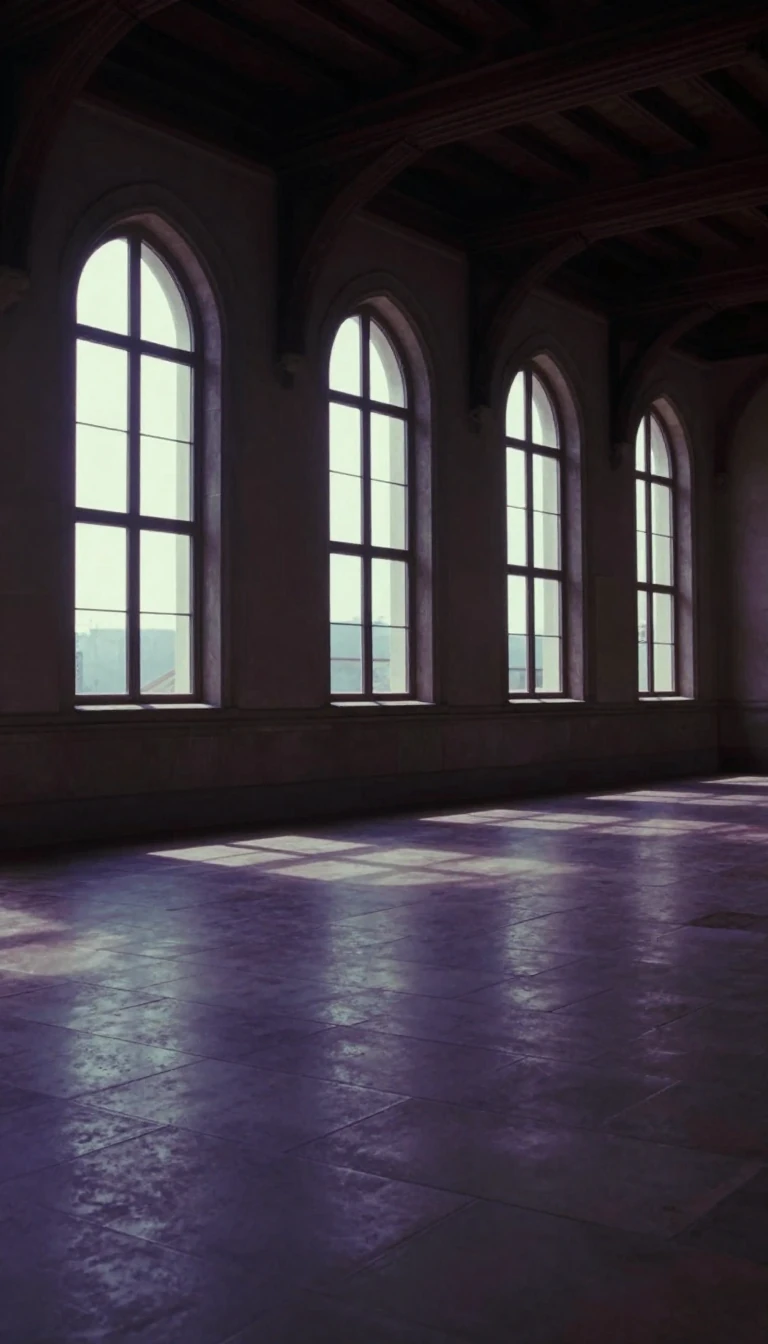
In short: Hidden beneath the modern landscape of Weybridge lies the ghost of Oatlands Palace, a site where Henry VIII hosted queens, mourned pregnancies, and oversaw executions. While much was destroyed during the Civil War, archaeological time capsules have recently revealed the intimate details of life within its walls.
Oatlands Palace was not built from scratch but evolved from a 13th-century manor house. In 1478, Bartholomew Read constructed a brick courtyard house within a moat, which later became the core of the 'privy court'—the royal apartments—for Henry VIII's palace between 1537 and 1544. The site was part of a larger royal complex in the Honour of Hampton Court, alongside Hampton Court (the king’s residence) and Nonsuch (the prince’s residence).
The palace served as a primary residence for Henry's queens. It was rebuilt for Anne of Cleves, whose bed featured 108 embroidered badges of her and the King's arms. Later, it became the site of Henry's marriage to Catherine Howard in July 1540; following her execution in 1542, a detailed inventory of her apartments survived. The palace also saw more somber moments: Mary Tudor retreated here after an anticipated pregnancy ended, and Katherine Parr wrote letters from the grounds shortly after her own marriage in 1543.
Following the Civil War, the palace was demolished in 1650, leaving only a single wall of the outer court. However, when it was sealed with rubble, it created a 'time capsule.' Excavations beginning in 1968 uncovered garderobes containing material from the 1640s and floor tiles dating between 1500 and 1560. These finds, including a Bellarmine jug with an Amsterdam coat of arms, are currently being digitized and preserved to ensure the palace's history survives its physical destruction.
The construction also reflects the religious upheaval of the era; much of the foundation stone was sourced from Chertsey Abbey, which fell into ruin during the Dissolution of the Monasteries. By 1598, Elizabeth I had even commissioned a Sergeant Painter to decorate the long gallery with 'sweet varnish' and imitation woodgrain patterns, illustrating the palace's continued role as a site of high-status artistic patronage.
Opens the Intellect+ feed with this card first. Swipe up for the next one.
Sources
- Summary by Intellect · source: Oatlands Palace archive project - Surrey County Council
- Also: Oatlands Palace
To cite this card, link to https://intellectplus.co.uk/app/wars-oatlands-palace.
How we source, check and correct cards: Editorial standards.
General information, not professional advice. Spotted an error? Flag the card or see corrections and complaints.
Intellect Plus is a visual educational discovery platform for exploring fascinating facts and ideas. Brain Food, Not Brain Rot. What is Intellect Plus?
Related
More in Medieval wars · More in Wars & Conflicts · Latest · A–Z · All topics
