Ohrid: A Balkan crossroads where empires, religions, and identities have collided for millennia
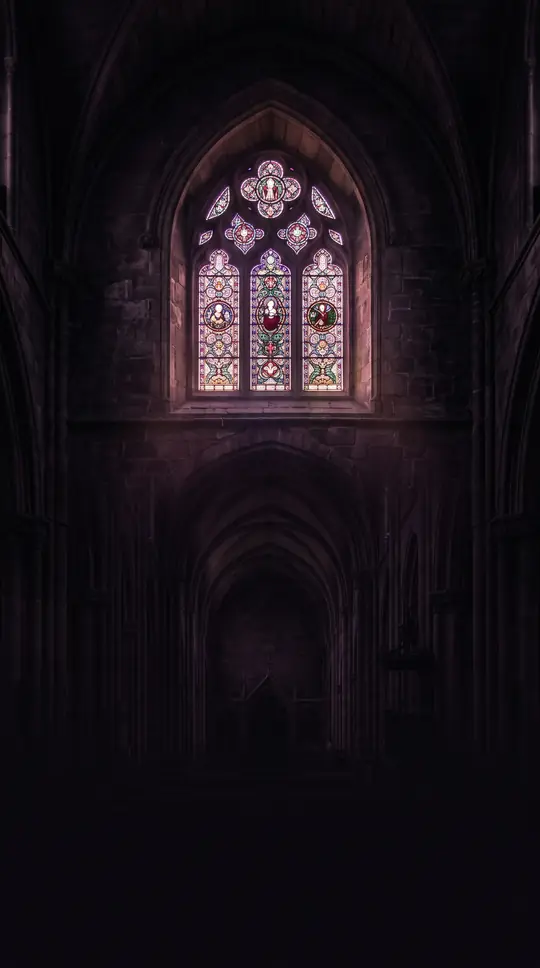
In short: Perched on the shores of Lake Ohrid, this ancient city has served as a capital for empires, a religious stronghold, and a contested frontier. From its origins as an Illyrian settlement to its turbulent modern history, Ohrid remains a complex tapestry of shifting borders, ethnic identities, and deep cultural heritage.
Ohrid’s history is defined by its strategic position along the Via Egnatia, the Roman road linking the Adriatic to Byzantium. Known in antiquity as Lychnidos, the city was the capital of the Illyrian Dassaretii before falling under Roman influence. By the 7th century, Slavic tribes like the Berziti had arrived, and by 840, the city was incorporated into the First Bulgarian Empire. It later served as the empire's capital and the seat of the Bulgarian Patriarchate between 990 and 1015, cementing its status as a vital cultural and religious center.
The city’s control was a constant point of contention throughout the Middle Ages, changing hands between the Byzantine, Bulgarian, and Serbian Empires, as well as various Albanian noble families like the Gropa. In 1395, the Ottomans captured Ohrid, establishing it as the seat of the Sanjak of Ohrid. This period saw significant demographic shifts, including the Islamization of many local Albanians, a process that complicated later national identity claims. By the 19th century, the region became a hotbed of unrest, with competing propaganda from neighboring states influencing how inhabitants identified themselves.
Modern Ohrid reflects this layered past. The 20th century brought further upheaval, including the Balkan Wars, two World Wars, and the eventual independence of North Macedonia. Today, the city’s identity remains fluid; for instance, local Albanophone Romani have navigated complex political pressures, shifting their self-identification from Albanian to Egyptian. With over 100 sites of cultural heritage and a history spanning from the 4th century BC to the present, Ohrid stands as a testament to the enduring, often volatile, intersection of Balkan civilizations.
Opens the Intellect+ feed with this card first. Swipe up for the next one.
Sources
- Summary by Intellect · source: Ohrid
To cite this card, link to https://intellectplus.co.uk/app/wars-ohrid.
How we source, check and correct cards: Editorial standards.
General information, not professional advice. Spotted an error? Flag the card or see corrections and complaints.
Intellect Plus is a visual educational discovery platform for exploring fascinating facts and ideas. Brain Food, Not Brain Rot. What is Intellect Plus?
Related
More in Medieval wars · More in Wars & Conflicts · Latest · A–Z · All topics
