The first ship ever designed by a computer was a frigate
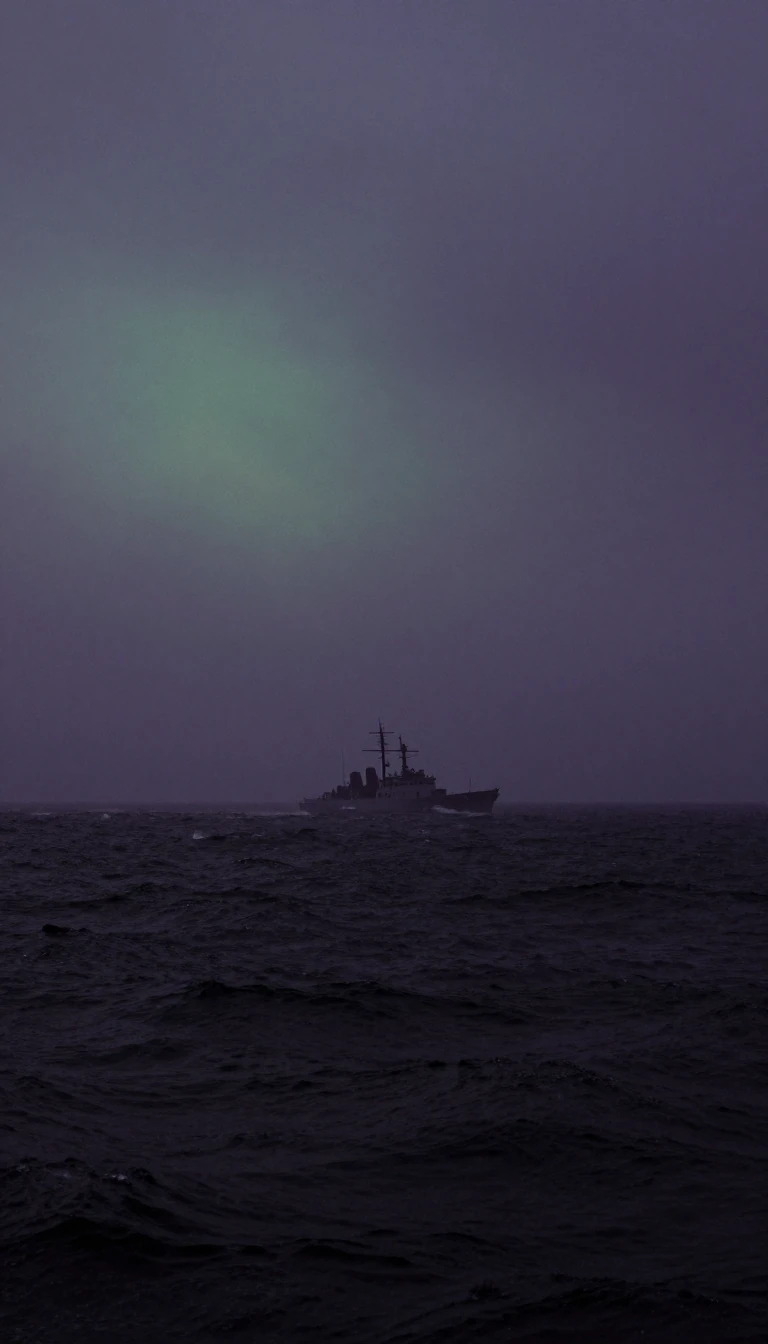
In short: In the mid-1970s, naval architects achieved a milestone by using a computer to design a general-purpose escort vessel in just 18 hours. This Oliver Hazard Perry-class frigate was built to be an inexpensive, high-volume solution to replace aging World War II-era destroyers, balancing cost with versatile maritime defense.
Designed by Bath Iron Works in partnership with Gibbs & Cox, the Oliver Hazard Perry class (or FFG-7) was a cornerstone of Admiral Elmo Zumwalt's 'high low fleet plan.' In this strategy, the Perrys served as 'low-capability' ships intended to protect merchant convoys, amphibious landings, and replenishment groups. They were designed to complement the 'high-capability' Spruance-class destroyers, providing a scalable defense against aircraft and submarines in moderate threat environments.
The class featured significant technical firsts, including automated gas turbine propulsion that allowed for bridge-controlled speed via a throttle—a first for the U.S. Navy. However, the design faced early hurdles. A warning from R.J. Daniels regarding the use of aluminum in the superstructure led to structural cracks in several ships, including a 40-foot fissure in the USS Duncan. The vessels also existed in two variants: the 445-foot 'short-hull' and the 453-foot 'long-hull,' the latter of which could accommodate larger SH-60 Seahawk helicopters using a specialized RAST recovery system.
Despite their durability, the Perrys faced a 'growth' ceiling. With only 39 tons of reserved space in the original design and inflexible electronics, the U.S. Navy eventually struggled to modernize them against advanced missile threats. By 2004, the removal of the Mk 13 missile launchers effectively stripped the ships of their 'zone-defense' anti-aircraft capabilities, leaving them reliant on AEGIS escorts. The final ship, USS Simpson, was decommissioned in September 2015, leaving the U.S. Navy without any frigates for the first time since 1943.
The retirement of the class highlighted a looming capability gap. While they were intended to be replaced by Littoral Combat Ships (LCS), budget pressures and production delays meant the Navy faced uncertainty regarding who would perform the Perrys' essential counter-narcotics and anti-submarine roles.
Opens the Intellect+ feed with this card first. Swipe up for the next one.
Sources
- Summary by Intellect · source: Oliver Hazard Perry-class frigate
To cite this card, link to https://intellectplus.co.uk/app/wars-oliver-hazard-perry-class-frigate.
How we source, check and correct cards: Editorial standards.
General information, not professional advice. Spotted an error? Flag the card or see corrections and complaints.
Intellect Plus is a visual educational discovery platform for exploring fascinating facts and ideas. Brain Food, Not Brain Rot. What is Intellect Plus?
Related
More in War and military · More in Wars & Conflicts · Latest · A–Z · All topics
