Why the most intense air campaign of the Cold War failed to break Hanoi
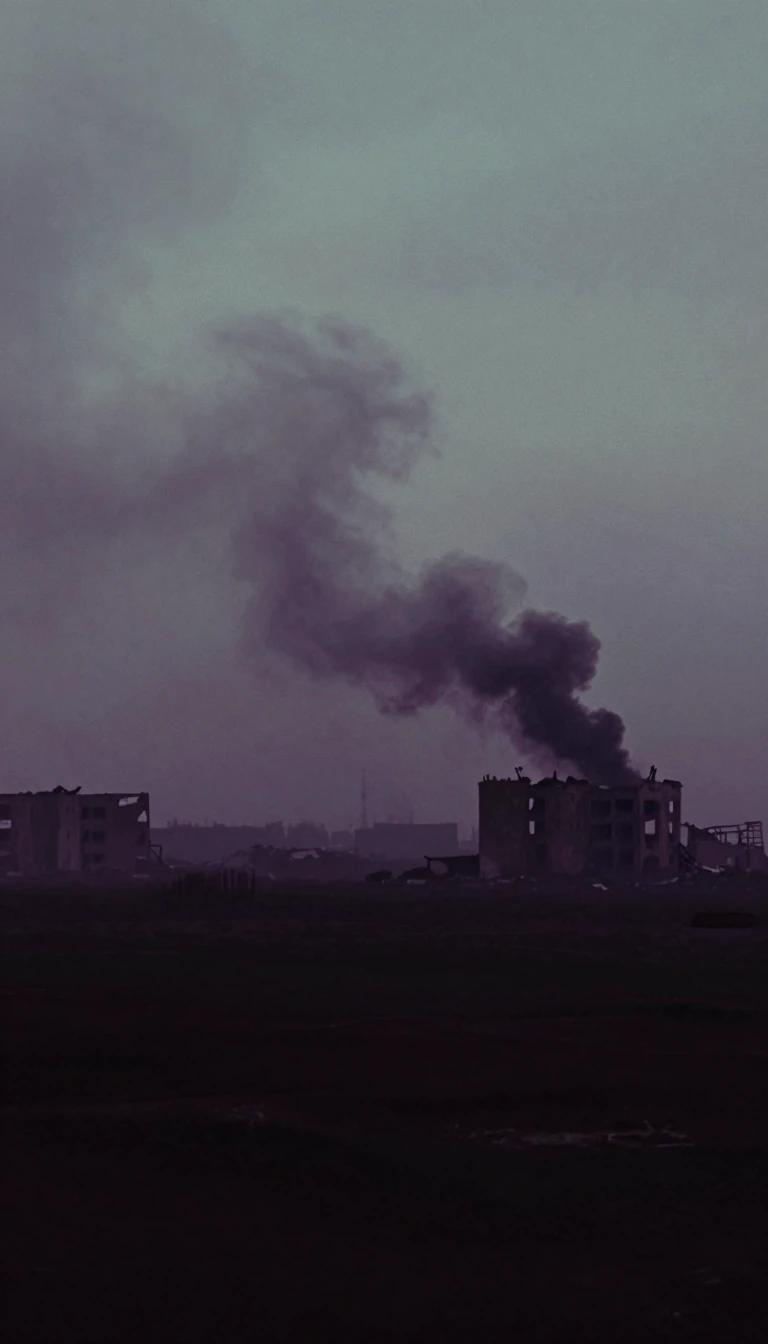
In short: Operation Rolling Thunder was a massive, years-long aerial bombardment of North Vietnam designed to force a communist surrender through gradual pressure. Despite dropping thousands of tons of ordnance, the campaign struggled against rigid political constraints, a sophisticated air defense network, and a resilient enemy that anticipated every move.
Launched on 2 March 1965, Operation Rolling Thunder represented a shift in American strategy, moving from advisory roles to direct, sustained aerial warfare. The campaign aimed to boost South Vietnamese morale, disrupt the flow of supplies to the Vietcong, and degrade North Vietnam’s industrial capacity. However, the operation was hampered by a doctrine of gradualism, where Washington officials—including President Lyndon B. Johnson and Secretary of Defense Robert McNamara—personally approved individual targets, often forbidding strikes near Hanoi, Haiphong, or the Chinese border to avoid triggering a wider conflict with the Soviet Union or China.
The North Vietnamese were far from passive. Supported by Soviet and Chinese aid, they developed one of the most effective air defense systems American pilots had ever encountered, utilizing MiG interceptors and surface-to-air missiles. Furthermore, the North Vietnamese intelligence apparatus was remarkably adept at monitoring U.S. communications. Captured documents revealed that Hanoi often had up to 45 minutes of warning before missions, as U.S. forces frequently used unencrypted tactical voice radio and followed predictable logistical patterns. By 1967, the North had even evacuated half of Hanoi's population to prepare for total war.
Internal American dysfunction further crippled the effort. The military suffered from a convoluted command structure, with the Air Force and Navy operating in separate, restricted 'route packages' and competing for control. Additionally, the Air Force struggled to adapt its nuclear-focused training to conventional tactical bombing, while a one-year rotation policy drained units of experienced aircrews. By the time the operation was canceled on 2 November 1968, it had become clear that the strategy of selective, controlled pressure could not overcome the North's determination to sustain its insurgency, ultimately forcing the U.S. to shift its focus toward ground operations and peace talks.
Opens the Intellect+ feed with this card first. Swipe up for the next one.
Sources
- Summary by Intellect · source: Operation Rolling Thunder
- Also: LibGuides: Primary Sources: Vietnam War: Operation Rolling Thunder (1965 - 1968)
To cite this card, link to https://intellectplus.co.uk/app/wars-operation-rolling-thunder.
How we source, check and correct cards: Editorial standards.
General information, not professional advice. Spotted an error? Flag the card or see corrections and complaints.
Intellect Plus is a visual educational discovery platform for exploring fascinating facts and ideas. Brain Food, Not Brain Rot. What is Intellect Plus?
Related
More in UK & Ireland: wars · More in Wars & Conflicts · Latest · A–Z · All topics
