The Roman art revolution: making high culture accessible to the masses
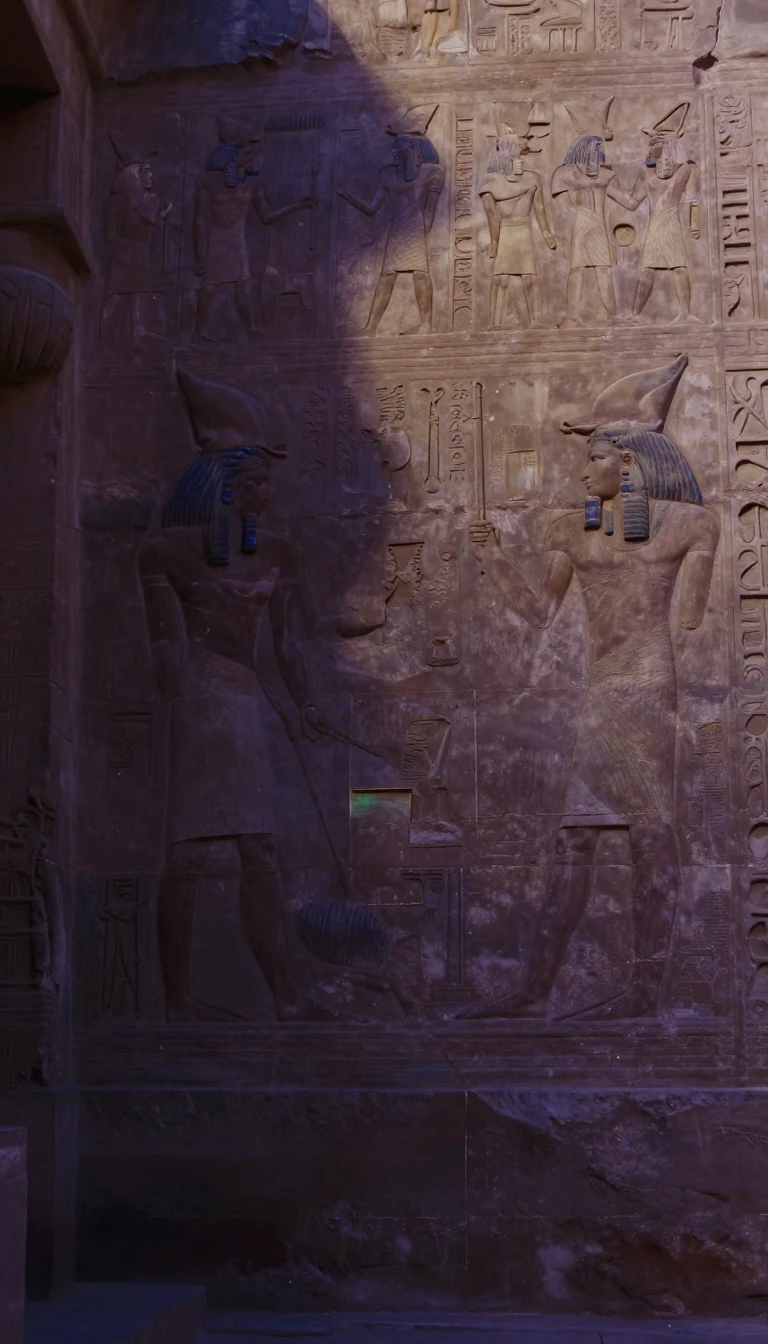
In short: In a world where art was often a luxury for the elite, Rome broke the mold. They didn't just copy the Greeks; they industrialized beauty, creating a diverse, realistic, and widely available aesthetic that allowed even former slaves to commission their own portraits.
Roman art was defined by its radical eclecticism and scale. Unlike the more singular focus of Greek art, the Romans embraced trends from every corner of their vast empire, blending Etruscan roots with Hellenistic influences. This resulted in a diverse artistic landscape where different regions—such as Alexandria, Antioch, and Athens—developed their own distinct tastes. Because of this massive geographical reach, some critics have even argued that 'Roman' art as a single unified style may not have existed. One of the most significant shifts in Roman culture was the democratization of art. While previous civilizations often reserved high art for state sponsors, the Romans saw a massive increase in private patronage. This shift made art accessible to the lower middle classes, not just the wealthiest citizens. In a remarkable social shift, even a former slave could commission a portrait bust.
This era also saw the rise of production lines, where workshops and schools of art across the empire produced standardized, mass-produced objects to meet a high public demand. Technically, the Romans were obsessed with realism and the recording of history without mythological clutter. They moved away from idealized perfection toward 'telling the truth' through portraiture, capturing subjects as old, wrinkled, or scarred. Such practices might stem from ancestral customs involving the preservation of lifelike wax funeral masks for departed relatives. By the mid-1st century CE, artists began experimenting with optical effects of light and shade to achieve greater realism, eventually moving toward impressionistic techniques and monumental, larger-than-life statues of emperors and heroes.
The Roman approach to art was also one of preservation and imitation. They were so enamored with Greek masterpieces that they established schools specifically for copying them. While some critics once dismissed Roman art as mere imitation, these copies preserved invaluable works that would otherwise be lost to history. Furthermore, the Romans were masters of 'combined and enjoyed' art, looting artworks from conquered cities and integrating them into the daily lives of their own citizens.
Opens the Intellect+ feed with this card first. Swipe up for the next one.
Sources
- Summary by Intellect · source: Roman Art
- Also: Painting in ancient Rome
To cite this card, link to https://intellectplus.co.uk/app/wars-painting-in-ancient-rome.
How we source, check and correct cards: Editorial standards.
General information, not professional advice. Spotted an error? Flag the card or see corrections and complaints.
Intellect Plus is a visual educational discovery platform for exploring fascinating facts and ideas. Brain Food, Not Brain Rot. What is Intellect Plus?
Related
More in Ancient & biblical wars · More in Wars & Conflicts · Latest · A–Z · All topics
