Why Roman statues tell the truth while Greek ones tell a lie
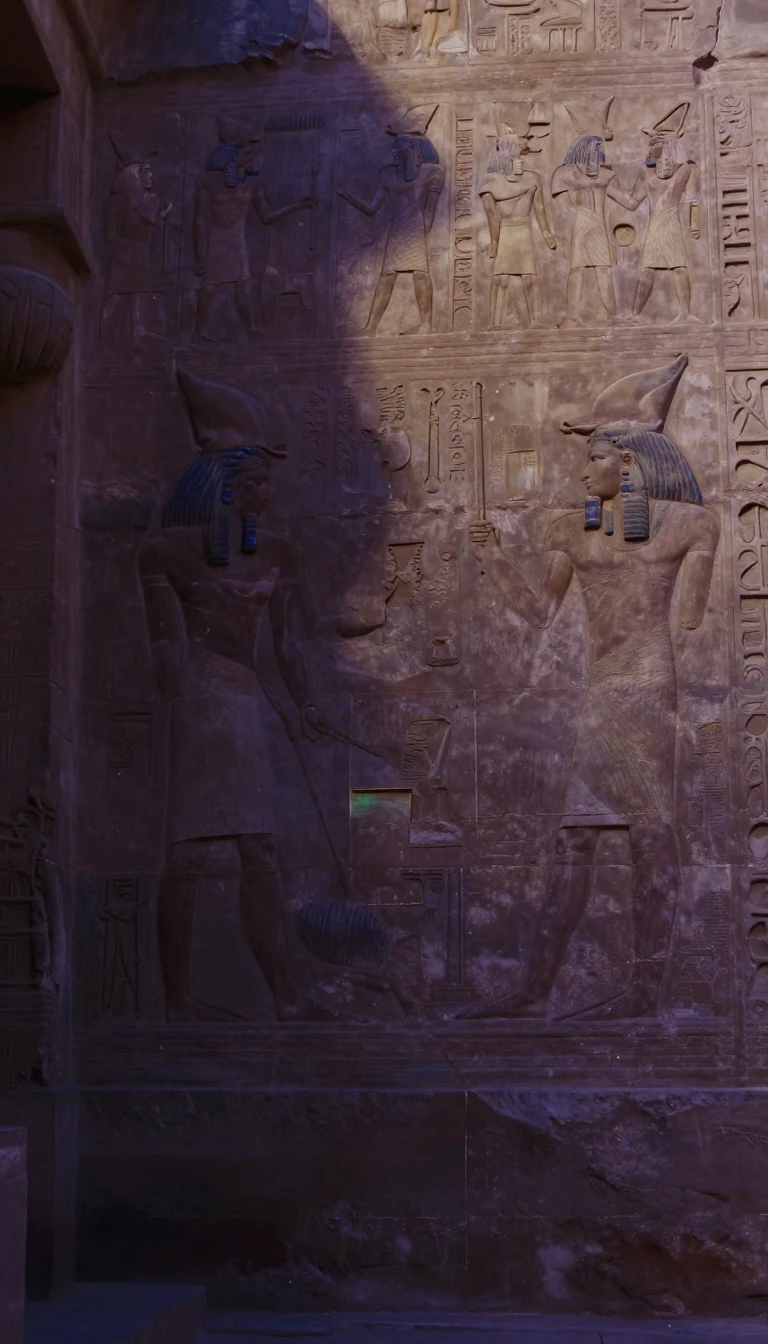
In short: While the Greeks sought to carve the perfect human form, the Romans were often more interested in the honest human face. From wax funeral masks to wrinkled marble busts, Roman sculpture captured every scar and wrinkle, creating a visual record of reality that stood in stark contrast to classical idealism.
Roman sculpture was a sophisticated synthesis of diverse influences. It blended the idealized perfection of Classical Greek art with a drive for realism and absorbed artistic styles from the East. Because the Romans were avid collectors of Greek masterpieces, they established schools—notably in Athens and Rome—specifically for copying these works. These copies, often made in marble or bronze, preserved invaluable Greek originals that would have otherwise been lost to history. However, because metal was frequently recycled, the majority of the sculptures we see today are marble copies of varying quality.
The most distinctive Roman contribution was the development of portraiture. Academic experts propose that this lifelike quality might have emerged from the custom of preserving funeral masks made of wax for departed relatives. These masks were highly accurate, recording even the most unflattering physical defects. When translated into stone, these private portrait busts moved away from the 'perfect' types of the Greeks to show subjects as old, wrinkled, scarred, or flabby. Conversely, portraits of the governing class frequently featured idealized imagery, like the Augustus as Pontifex Maximus sculpture, which portrayed the ruler with a significantly more vibrant and young appearance than his true likeness.
Artistic tastes also varied by social class and era. The aristocratic ruling class favored classical, idealized styles, while a provincial 'middle-class' market preferred naturalistic and emotional portraiture and funerary works. Over centuries, the style evolved significantly; by the mid-1st century CE, artists began seeking optical effects of light and shade. By late antiquity, sculpture became more monumental and influenced by Eastern art, often featuring enlarged heads and flatter figures. Even under Hadrian, who returned to Greek idealism, innovations occurred, such as sculpting the pupils and irises directly into marble rather than just painting them on.
Beyond individual portraits, sculpture served vital religious and domestic roles. Romans represented their gods in statues and created 'Lares Familiares'—bronze figures of spirits that protected the home. These were typically displayed in pairs within a niche, featuring youthful figures with raised arms and long hair. Whether used for public propaganda, such as the colossal bronze statues of Marcus Aurelius and Constantine I, or for private domestic devotion, Roman sculpture functioned as a complex tool for memory, power, and identity.
Opens the Intellect+ feed with this card first. Swipe up for the next one.
Sources
- Summary by Intellect · source: Roman Sculpture
- Also: Roman sculpture
To cite this card, link to https://intellectplus.co.uk/app/wars-roman-sculpture.
How we source, check and correct cards: Editorial standards.
General information, not professional advice. Spotted an error? Flag the card or see corrections and complaints.
Intellect Plus is a visual educational discovery platform for exploring fascinating facts and ideas. Brain Food, Not Brain Rot. What is Intellect Plus?
Related
More in Ancient & biblical wars · More in Wars & Conflicts · Latest · A–Z · All topics
