The Soviet Union's first nuclear test shocked the world and ignited an arms race
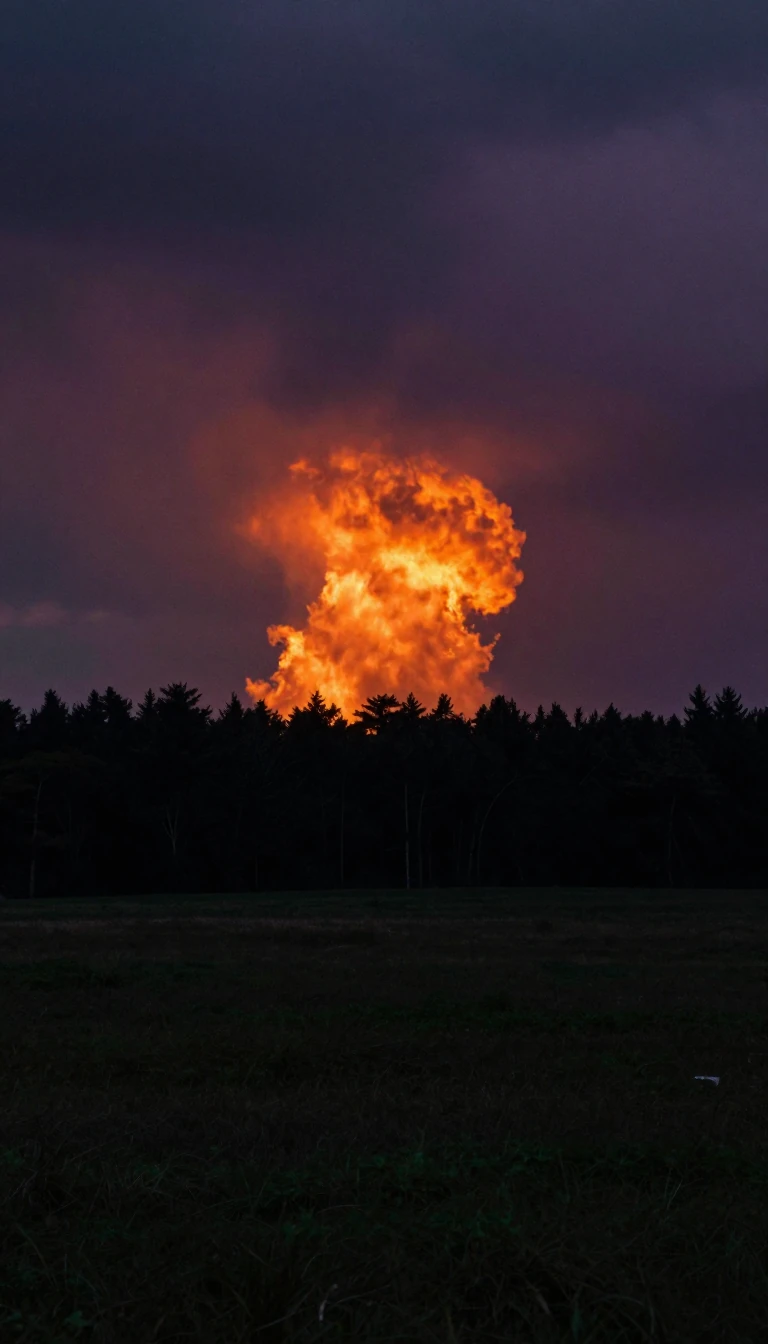
In short: On 29 August 1949, the Soviet Union detonated the RDS-1, a bomb that yielded 22 kilotons of TNT. This unexpected success shattered Western intelligence estimates and forced the United States into a frantic race to develop the hydrogen bomb, fundamentally altering the course of the Cold War.
The RDS-1, also known as 'First Lightning,' was a plutonium implosion-type weapon. Its design was heavily influenced by American technology, specifically the 'Fat Man' bomb used in Nagasaki. This design similarity was facilitated by extensive intelligence gathered during World War II through espionage involving Julius and Ethel Rosenberg and the Venona project. Despite having more sophisticated designs available, Soviet designers opted for the proven reliability of the Fat Man model at the insistence of Lavrentiy Beria. The weapon was developed at the Kurchatov Institute, which was officially known as Laboratory № 2. Plutonium for the device was sourced from the Chelyabinsk-40 industrial complex.
The Semipalatinsk Test Site, located within the Kazakh Soviet Socialist Republic, served as the location for this trial. To measure the blast's impact, researchers constructed various structures, including houses, a bridge, and a simulated metro railway. They also utilized 1,500 animals and 50 aircraft to observe the effects. The results were startling: the explosion proved to be 50% more destructive than the engineers had originally estimated. To assess the blast, artillery pieces were positioned between 250 and 1,800 metres from ground zero. Some of these guns were completely destroyed or required factory repairs due to the force.
The geopolitical fallout was immediate. While US intelligence expected a Soviet bomb by 1953 and the British by 1954, the test occurred years earlier. After US aircraft detected radioactive fallout via aerial sampling, President Harry S. Truman publicly announced the explosion on 23 September 1949. Although the Soviet government initially dismissed the findings as misidentified excavation work, the event accelerated the nuclear arms race, prompting the US to begin a crash program for the 'Super' hydrogen bomb. The detection was made possible by US Air Force WB-29 weather reconnaissance aircraft. These planes were equipped with specialised filters to capture atmospheric radioactive debris.
Opens the Intellect+ feed with this card first. Swipe up for the next one.
Sources
- Summary by Intellect · source: RDS-1
To cite this card, link to https://intellectplus.co.uk/app/wars-rds-1.
How we source, check and correct cards: Editorial standards.
General information, not professional advice. Spotted an error? Flag the card or see corrections and complaints.
Intellect Plus is a visual educational discovery platform for exploring fascinating facts and ideas. Brain Food, Not Brain Rot. What is Intellect Plus?
Related
More in Cold War · More in Wars & Conflicts · Latest · A–Z · All topics
