A fortress for popes and a prison for Galileo
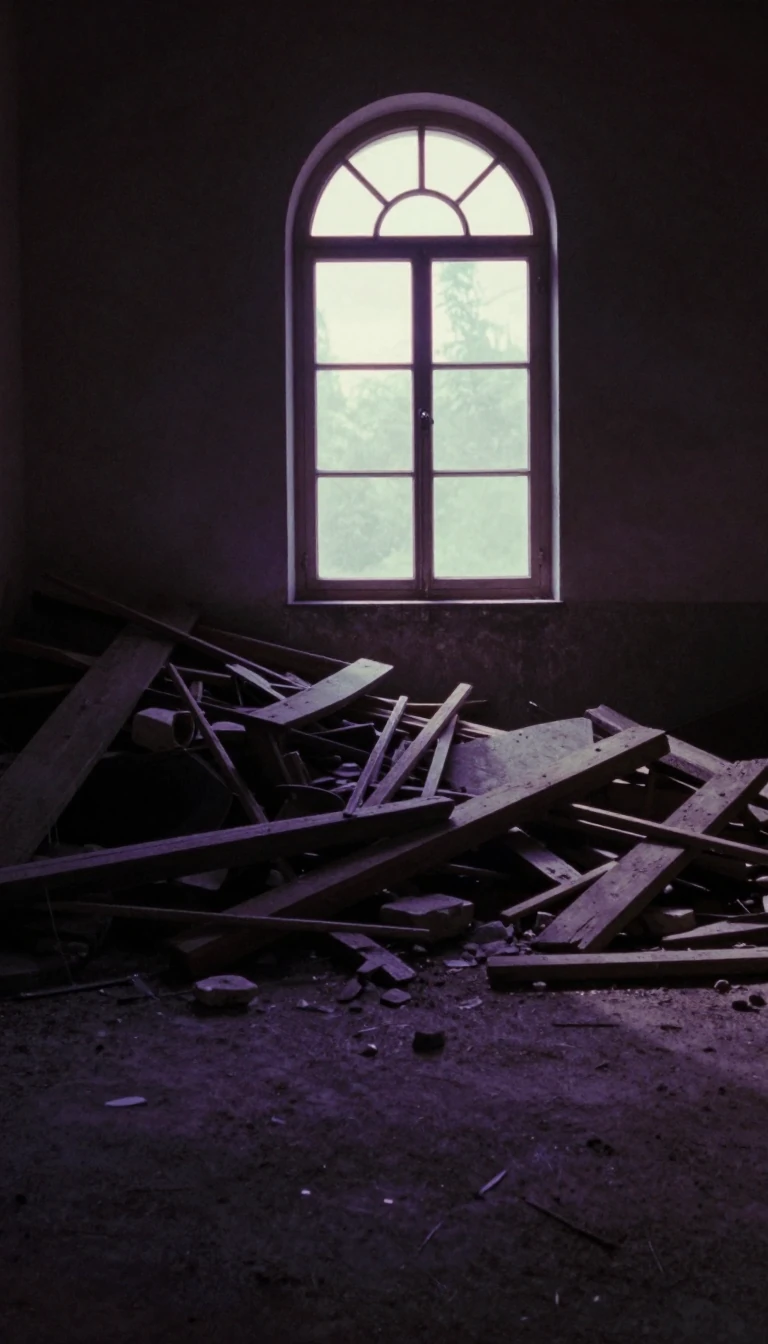
In short: Hidden beneath Rome's Gothic beauty lies a site of violent street battles, secret inquisitions, and the silencing of modern science. The Santa Maria sopra Minerva wasn't just a church; it was a fortified island of wisdom where power was seized by force and heresy was judged in shadows.
The history of Santa Maria sopra Minerva is defined by its strategic geography within Rome's Campus Martius. Because of the specific configuration of surrounding streets, houses, and monastery walls, the site could be easily fortified during times of civil unrest. This military utility was put to the test in 1431 following the death of Pope Martin V. During a period of daily street fighting between the Colonna and Orsini families, the church's sacristy served as a secure meeting hall for fourteen cardinals who conducted a Papal conclave amidst the chaos.
Beyond its role as a fortress, the complex became a center for intellectual and spiritual authority. In 1577, it housed the College of Saint Thomas, modeled after Spanish institutions to honor the scholastic legacy of Thomas Aquinas. However, this pursuit of knowledge took a darker turn in the 17th century. The Congregation of the Holy Office became based at the convent during 1628. This made it the headquarters for the Roman Inquisition's secret meetings, where the sentences of the tribunal were read out.
The most famous moment of judicial tension occurred in this very convent on June 22, 1633. It was here that Galileo Galilei, the father of modern astronomy, was forced to abjure his Copernican theories after being tried for heresy. While the church today preserves Michelangelo's 'Cristo della Minerva' and exquisite Gothic vaulting, its walls remain witnesses to the violent intersection of religious dogma, political warfare, and the suppression of scientific progress.
The site also reflects a complex layering of history; it was built over an ancient temple dedicated to the Egyptian goddess Isis (erroneously attributed to Minerva). This transition from pagan worship to Christian dominance began as early as 741, when Pope Zachary Christianized the site. Today, it stands as the only extant example of original Gothic church architecture in Rome, a rare survivor of medieval building styles.
Opens the Intellect+ feed with this card first. Swipe up for the next one.
Sources
- Summary by Intellect · source: Santa Maria sopra Minerva
To cite this card, link to https://intellectplus.co.uk/app/wars-santa-maria-sopra-minerva.
How we source, check and correct cards: Editorial standards.
General information, not professional advice. Spotted an error? Flag the card or see corrections and complaints.
Intellect Plus is a visual educational discovery platform for exploring fascinating facts and ideas. Brain Food, Not Brain Rot. What is Intellect Plus?
Related
More in Ancient & biblical wars · More in Wars & Conflicts · Latest · A–Z · All topics
