The Quirinal Palace: Rome's highest hill holds a history of popes, kings, and presidents.
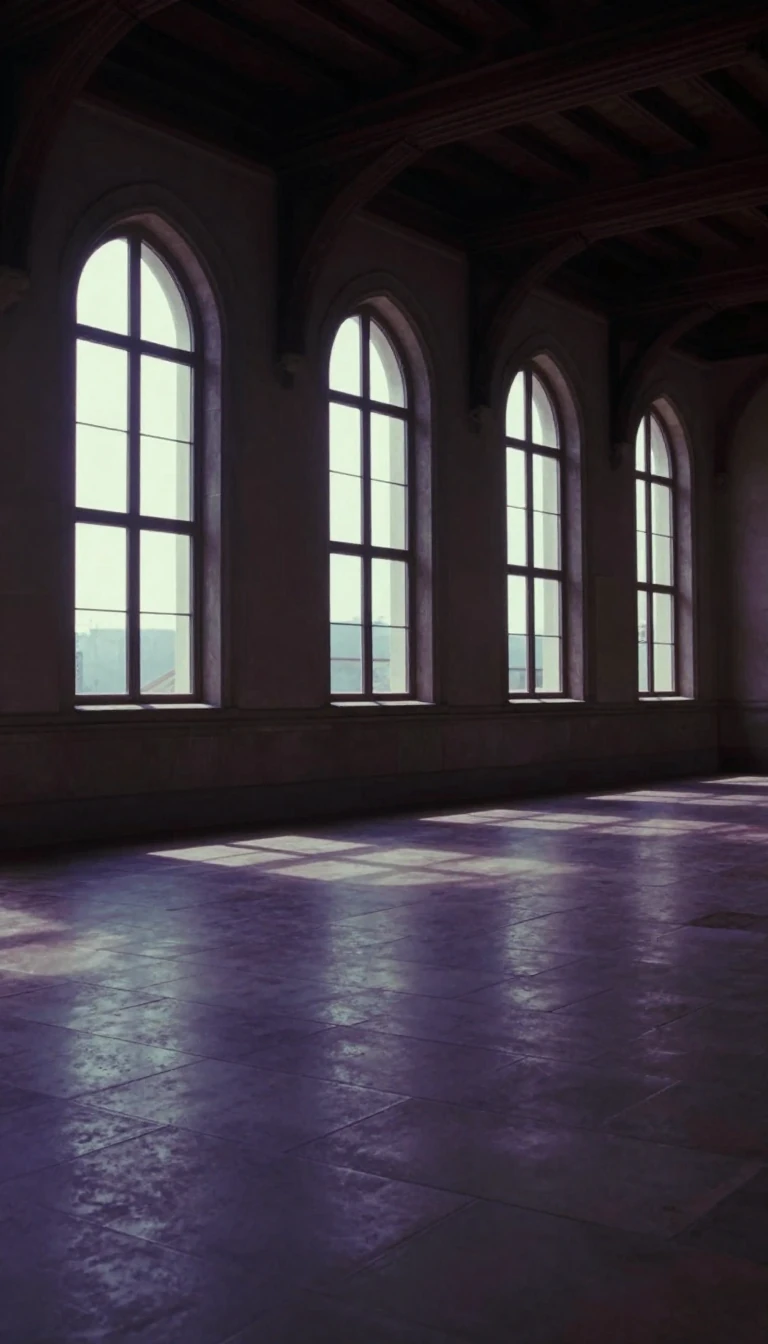
In short: Perched on the highest of Rome's seven hills, the Quirinal Palace has evolved from a papal summer retreat into the official residence of the Italian Republic. With 1,200 rooms and a history spanning centuries, this sprawling complex remains a silent witness to the shifting tides of Italian power and prestige.
Commissioned in 1583 by Pope Gregory XIII, the Quirinal Palace was originally designed as a summer sanctuary to escape the stifling humidity and odors of the Tiber River. Architect Ottaviano Mascherino laid the foundation by incorporating an existing villa, though the project remained unfinished upon the Pope's death in 1585. Over the following centuries, the site became a central hub for the Papal States, serving as a residence for thirty popes and hosting multiple conclaves, including those in 1823, 1829, 1831, and 1846.
The palace's identity shifted dramatically in 1870 when the remaining Papal States were annexed by the Kingdom of Italy. By 1871, it became the official royal residence, though its usage varied; King Victor Emmanuel III, for instance, famously preferred living at Villa Savoia. Following the abolition of the monarchy in 1946, the building transitioned into the workplace and residence of the Italian president. Despite its grandeur, some leaders, such as Sandro Pertini, chose to maintain their private homes elsewhere.
Spanning 110,500 square meters, the palace is the eleventh-largest in the world. Its architecture is a layered history of interventions, from the baroque influence of Carlo Maderno and Francesco Borromini to the opulent imperial apartments prepared for Kaiser Wilhelm II in the late 19th century. Beneath the surface, the gardens conceal archaeological remains of ancient Roman temples and insulae, while the grounds themselves feature a 17th-century layout and a modern water organ. Today, the palace continues to host state functions, with its Great Hall of Banquets and various chambers serving as the stage for modern Italian governance.
Opens the Intellect+ feed with this card first. Swipe up for the next one.
Sources
- Summary by Intellect · source: Quirinal Palace
- Also: Wikidata — Quirinal Palace · CC0
- Also: Wikidata — Quirinal Palace - Cappella Paolina · CC0
To cite this card, link to https://intellectplus.co.uk/app/places-quirinal-palace.
How we source, check and correct cards: Editorial standards.
General information, not professional advice. Spotted an error? Flag the card or see corrections and complaints.
Intellect Plus is a visual educational discovery platform for exploring fascinating facts and ideas. Brain Food, Not Brain Rot. What is Intellect Plus?
Related
More in Cities · More in Countries & Cities · Latest · A–Z · All topics
