How a single fortress siege changed the course of the Italian Campaign
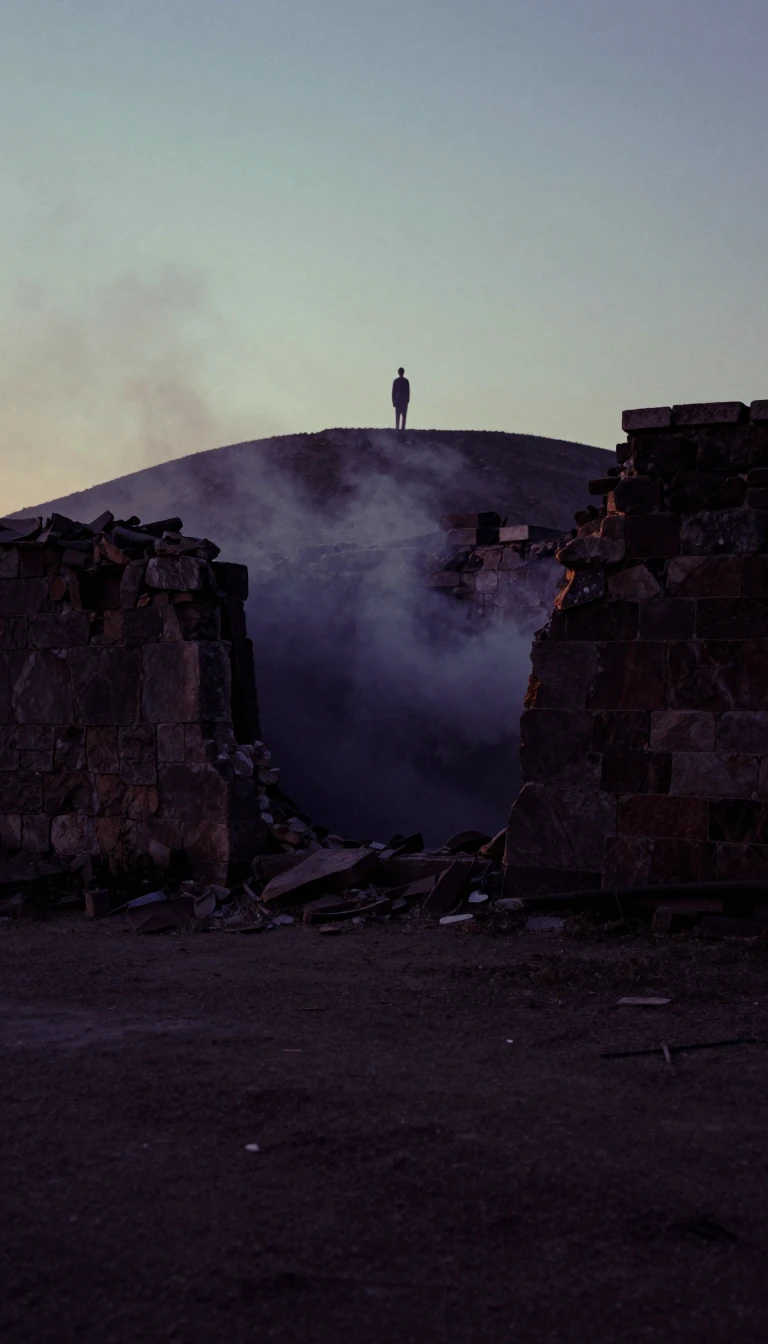
In short: Between 1796 and 1797, Napoleon Bonaparte faced a grueling test of endurance at Mantua. For months, an Austrian garrison held this strategic stronghold, surviving four desperate relief attempts. The siege was the hinge point of the war, determining which empire would ultimately control Northern Italy.
The siege of Mantua, which began on 4 June 1796, was the focal point of the French Revolutionary Wars' Italian Campaign. Located in the Lombardy region on the Mincio River, the city was part of a strategic 'Quadrilateral' of fortresses including Verona, Legnago, and Peschiera. Because the city was nearly surrounded by water and connected to suburbs like San Giorgio by causeways, it was a formidable defensive position. However, the surrounding marshes and lakes made the area notoriously unhealthy during warm months, as they served as breeding grounds for malaria-carrying mosquitoes.
The conflict was characterized by a series of intense, high-stakes relief attempts by Austrian forces. In the first attempt, commander Dagobert Sigmund von Wurmser led 49,000 men to break the blockade, but after battles at Lonato and Castiglione, he was forced to retreat, eventually reinforcing the garrison with food and troops. Subsequent attempts by commanders like József Alvinczi saw even more complex maneuvers. At the Battle of Arcole in November 1796, Napoleon achieved a critical victory that forced Alvinczi to withdraw, and later, at the Battle of Rivoli in January 1797, the French crushed the Austrian main army.
Despite the tactical brilliance of the French, the siege was a war of attrition. The Austrian garrison, which at one point reached 30,000 men, suffered immensely from starvation and disease. While Napoleon managed to intercept various Austrian columns, the sheer scale of the relief efforts—including the use of 179 heavy guns in the initial French siege train—meant the struggle lasted until 2 February 1797. The eventual surrender of Wurmser's troops left the Austrians vulnerable, directly leading to Napoleon's invasion of Austria and the subsequent peace treaty in 1797.
Opens the Intellect+ feed with this card first. Swipe up for the next one.
Sources
- Summary by Intellect · source: Siege of Mantua (1796–1797)
To cite this card, link to https://intellectplus.co.uk/app/wars-siege-of-mantua-1796-1797.
How we source, check and correct cards: Editorial standards.
General information, not professional advice. Spotted an error? Flag the card or see corrections and complaints.
Intellect Plus is a visual educational discovery platform for exploring fascinating facts and ideas. Brain Food, Not Brain Rot. What is Intellect Plus?
Related
More in Early modern wars · More in Wars & Conflicts · Latest · A–Z · All topics
