 Intellect Plus
Early modern wars
769 cards. Each one is a 40-second story with a five-minute read behind it.
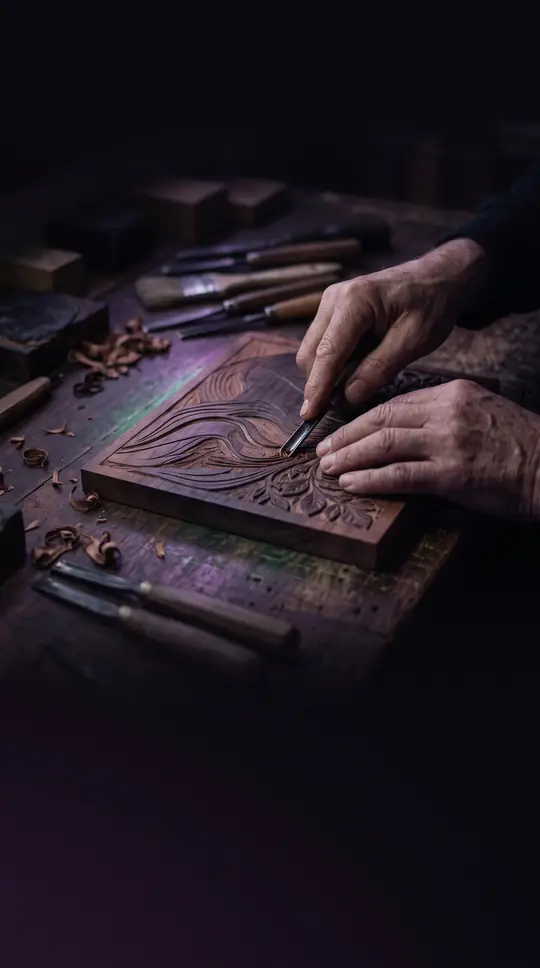 The neighborhood defined by a wall and a swarm of toadsElysian Valley is a geographic anomaly—a peanut-shaped pocket of land physically severed from its neighbors by a freeway wall. This isolation has preserved a distinct character, t…
 How a family bankruptcy birthed one of American literature's greatest legaciesIn 1816, Washington Irving faced the humiliation of his family business spiraling into bankruptcy. Left with few prospects in England, he turned to writing, eventually creating a …
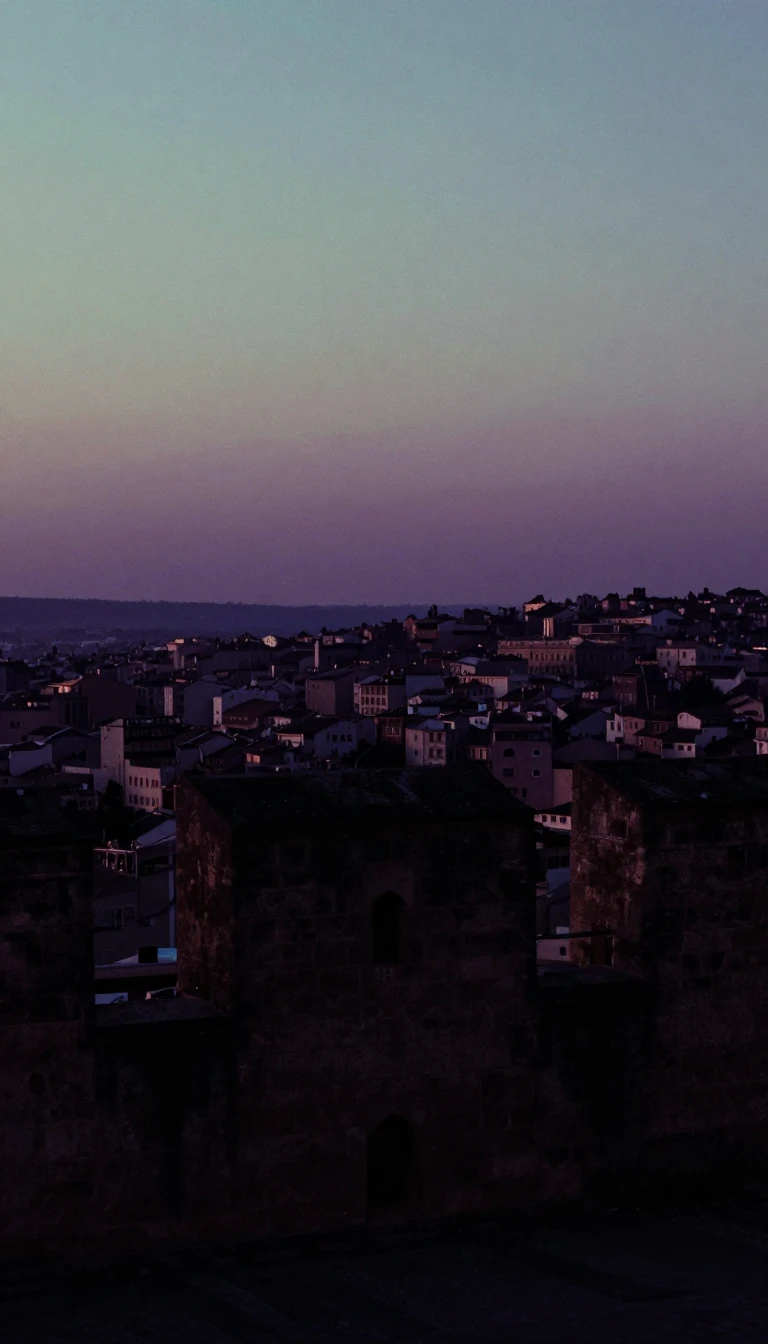 The coastal gateway where legends of bridges and empires collideRamanathapuram, known as the entrance town of the Vaigai River, sits at a geographic crossroads of myth and power. From Hindu legends of divine bridges to the bloody maneuvers of …
 The Shah who traded an empire for pleasure and pietyHow does a ruler lose everything? For Soltan Hoseyn, the answer lay in a paradox of extremes: he was a man of deep religious devotion who simultaneously indulged in debauchery. Hi…
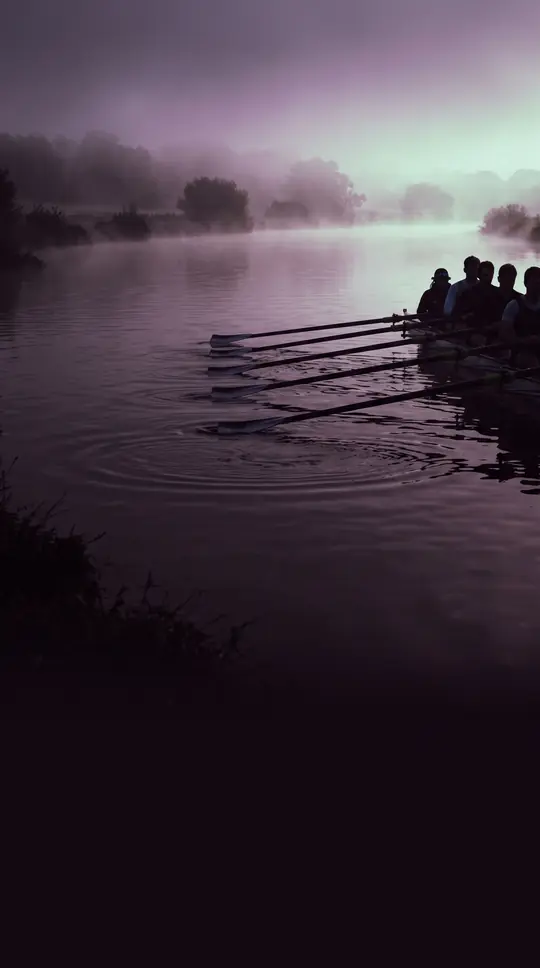 The diverse lineages of Nepal's Muslim communityIslam is the third-largest religion in Nepal, yet the community is not a monolith. From Kashmiri merchants of the 15th century to Tibetan refugees and Madhesi farmers, Nepalese Mu…
 The historical vanishing of Japan’s most enigmatic noble brideNōhime was the daughter of a powerful warlord and the legal wife of the legendary Oda Nobunaga. Yet, despite her high status, she almost entirely vanishes from reliable records af…
 From a women-only league to an intercollegiate athletic powerhouseIn 1985, it was a small circle of six colleges dedicated solely to women's athletics. Today, the New England Women's and Men's Athletic Conference (NEWMAC) serves as a complex web…
 From high court lawyer to president: the trajectory of Win MyintWin Myint’s path to the presidency of Myanmar was marked by imprisonment and political maneuvering. A geologist turned senior lawyer, he navigated decades of military rule to beco…
- From counter-insurgency pioneer to architect of external defenseAntonio Nafarrete’s career mirrors the evolution of Philippine security. He rose through the ranks by dismantling domestic insurgencies and protecting heads of state, only to pivo…
 The modern claimant to Brazil's lost throne lives in a rented apartmentBertrand of Orléans-Braganza is one of the primary heirs to the defunct Brazilian monarchy. Yet, despite his noble lineage and high-profile activism, he leads a deliberately modes…
- One subject at a time: the unconventional logic of military schoolingForget the standard high school grind of juggling six classes a day. At Fork Union Military Academy, cadets master one subject for seven weeks at a time. This immersive approach c…
 How urban design can be weaponized against places of worshipIn 2015, Saudi Arabia faced a series of bombings that targeted the nation's Shia minority. While the acts were horrific, researchers have identified a chilling secondary factor: t…
 The government game: how 30,000 people were moved from their homesBetween 1954 and 1975, the Newfoundland government orchestrated one of the most controversial relocation programs in Canadian history. It wasn't just a move; it was an organized e…
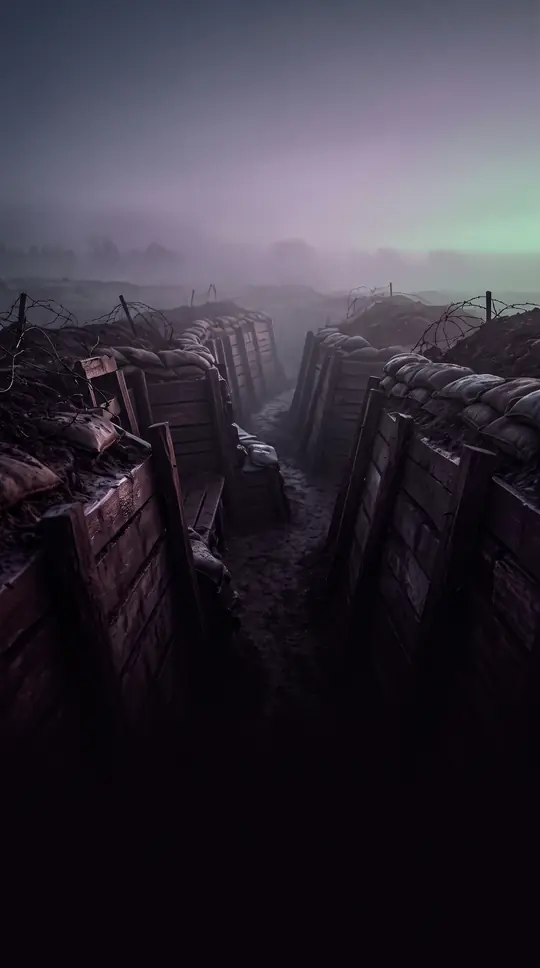 The dangerous 'neutral ground' where a tavern became a battlefieldDuring the American Revolutionary War, Tuckahoe was not a safe haven but a lawless no-man's land. Situated between British and American lines, it became a corridor of devastating …
- The separatist leader who chose a jungle party over peace talksWhen the Indian government offered a path to dialogue, Paresh Baruah chose an uncompromising demand for independence. As the chief of staff for the ULFA, he orchestrated a dramati…
 The mathematical speed limit of every digital signal you sendEvery piece of data you transmit—from a text message to a high-definition stream—is bound by a fundamental physical law. The Shannon–Hartley theorem defines the absolute maximum r…
 The African giant built on a foundation of perpetual mobilizationEritrea maintains one of Africa's largest standing armies despite its small population. This isn't just a defense strategy; it is an institutionalized system of open-ended nationa…
 The architectural geometry of empire: how a colonial capital was carved outIn the early 20th century, the British Empire decided to move its Indian capital from Calcutta to Delhi. To do so, they didn't just build offices; they engineered an entire landsc…
 The architecture of truth: how a high school survived a literal earthquakeIn 1971, a massive earthquake left John Marshall High School's iconic Collegiate Gothic buildings condemned. While the cafeteria was lost, a grassroots campaign saved the historic…
 The royal prince who chose to stay while his country fellWhen the Khmer Rouge closed in on Phnom Penh, most leaders fled. Sisowath Sirik Matak refused. A royal prince and key architect of a coup, he chose to face execution rather than s…
 Poland's license plates are tied to the car, not the ownerIn many countries, a cherished license plate is a personal asset you can move from car to car. In Poland, the law treats the plate as part of the vehicle's identity. This means yo…
 One court for four states: the expansive reach of GauhatiWhile most high courts serve a single state, the Gauhati High Court manages a vast regional jurisdiction. From its origins in 1948 to its modern role covering four distinct states…
 How a spiritual movement reshaped an entire region's economy and faithThe Islamization of Kashmir was not merely a religious shift; it was a total cultural overhaul. From the introduction of shawl making to the establishment of communal kitchens, on…
 The soldier who was too young for a medal, then too oldSir Ian Hamilton’s career was defined by a strange paradox of timing. Twice recommended for the Victoria Cross, he was rejected both times: once for being too junior and once for …
- The school that turned 'impossible' calculus into a national movementIn 1982, students at Garfield High School were told they couldn't pass advanced calculus. They proved the system wrong, sparking a cultural phenomenon and a radical shift in how u…
 The town built by Gulag prisoners to unlock the atomDubna is a modern marvel of nuclear physics, but its foundation was laid through forced labor. In 1946, the Soviet government chose this remote site for a proton accelerator, util…
- The industrial heart of Russia produces 42% of its national tax incomeWhile it holds only 8.5% of Russia's population, the Ural Federal District punches far above its weight in economic output. This region sits at the crossroads of Europe and Asia, …
 The hidden social hierarchy encoded in a simple goodbyeA valediction is more than a polite exit; it is a linguistic map of power, religion, and social standing. From the elaborate servitude of royal letters to the strict rank-based pr…
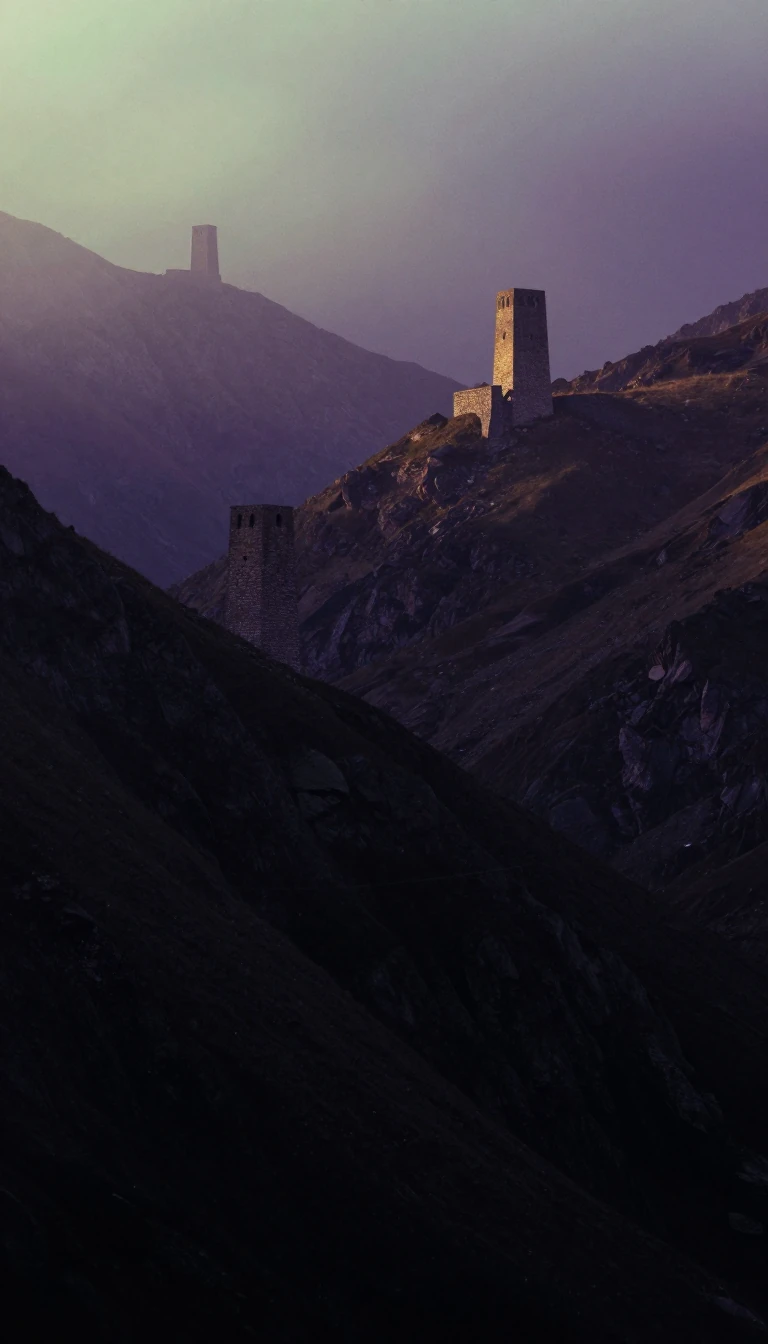 The last remnants of a lost Caucasian kingdomDeep in the Caucasus, the Udi people carry the linguistic and cultural DNA of an ancient civilization. Once part of a major regional power, they have survived centuries of conques…
- How a digital storyteller sought to make invisible urban Native communities visibleBefore becoming a MacArthur Fellow, Tommy Orange worked in a digital storytelling booth, recording oral histories. This experience sparked a literary mission: to move beyond stere…
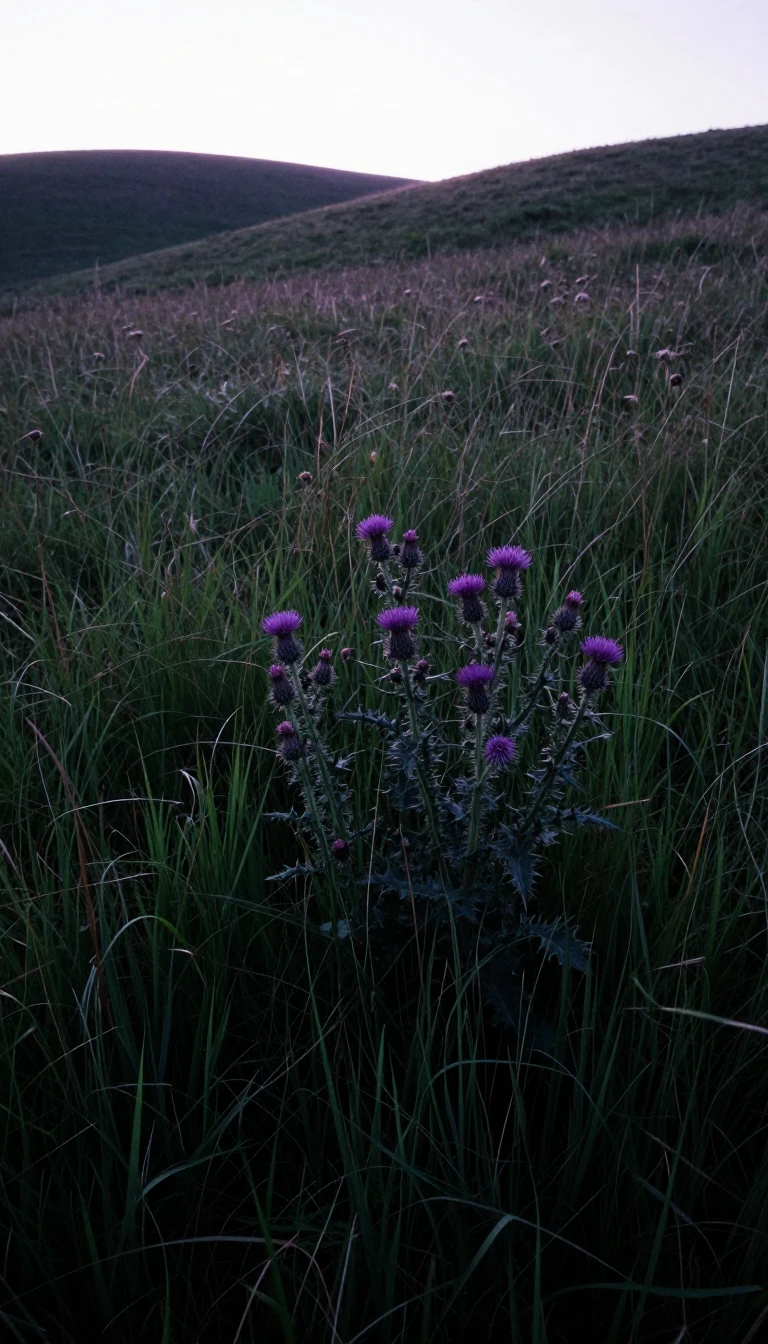 The botanical identity crisis of the world's most iconic thorn treeFor two millennia, the world knew it as Acacia. Today, it is Vachellia nilotica. This isn't just a name change; it is a taxonomic revolution that sparked international controversy…
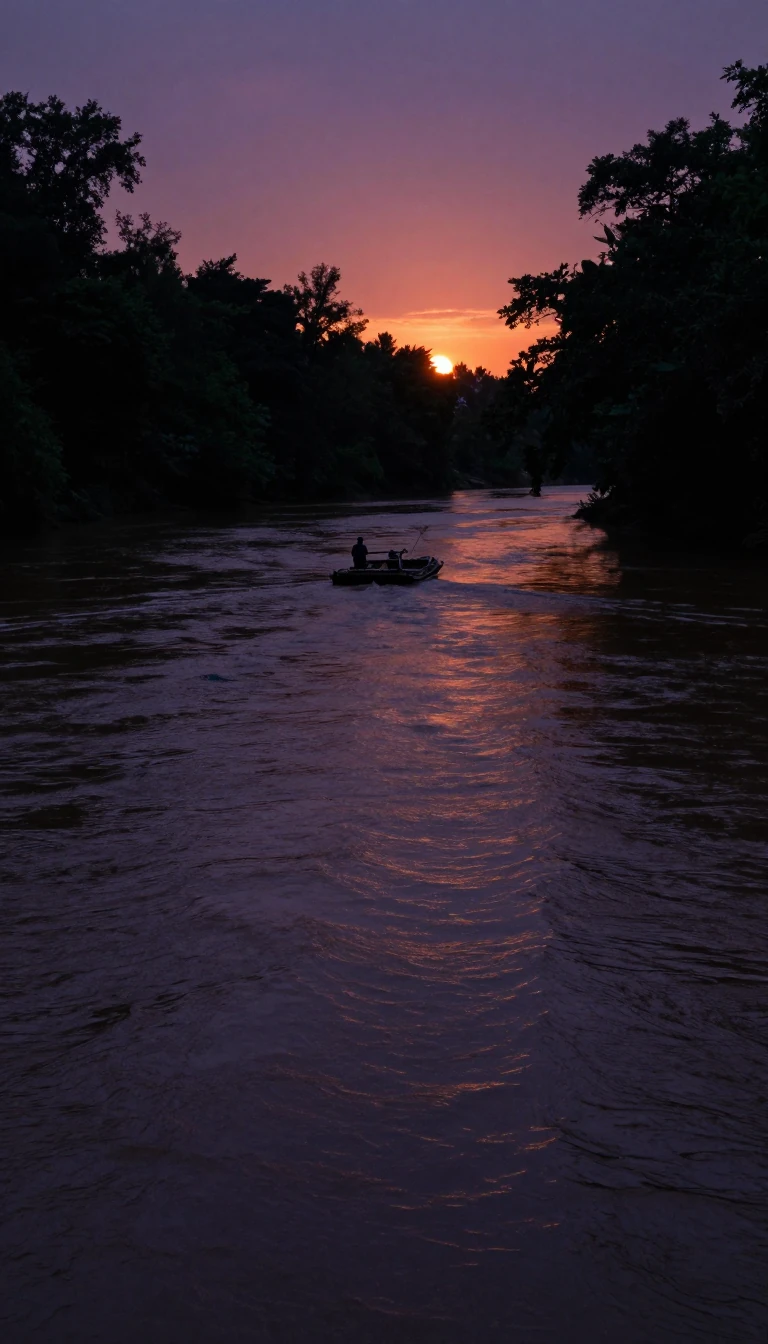 Two separate vessels, one shared river: the 1613 Two Row Wampum TreatyImagine a diplomatic pact where neither side is permitted to steer the other's boat. In 1613, the Haudenosaunee and the Dutch established a relationship based on mutual respect an…
 The New Space Race is a multipolar, commercial, and geopolitical marathonForget the binary rivalry of the 1960s. Today's space race is a complex web of private billionaires, international blocs, and a desperate scramble for lunar water ice. It is no lo…
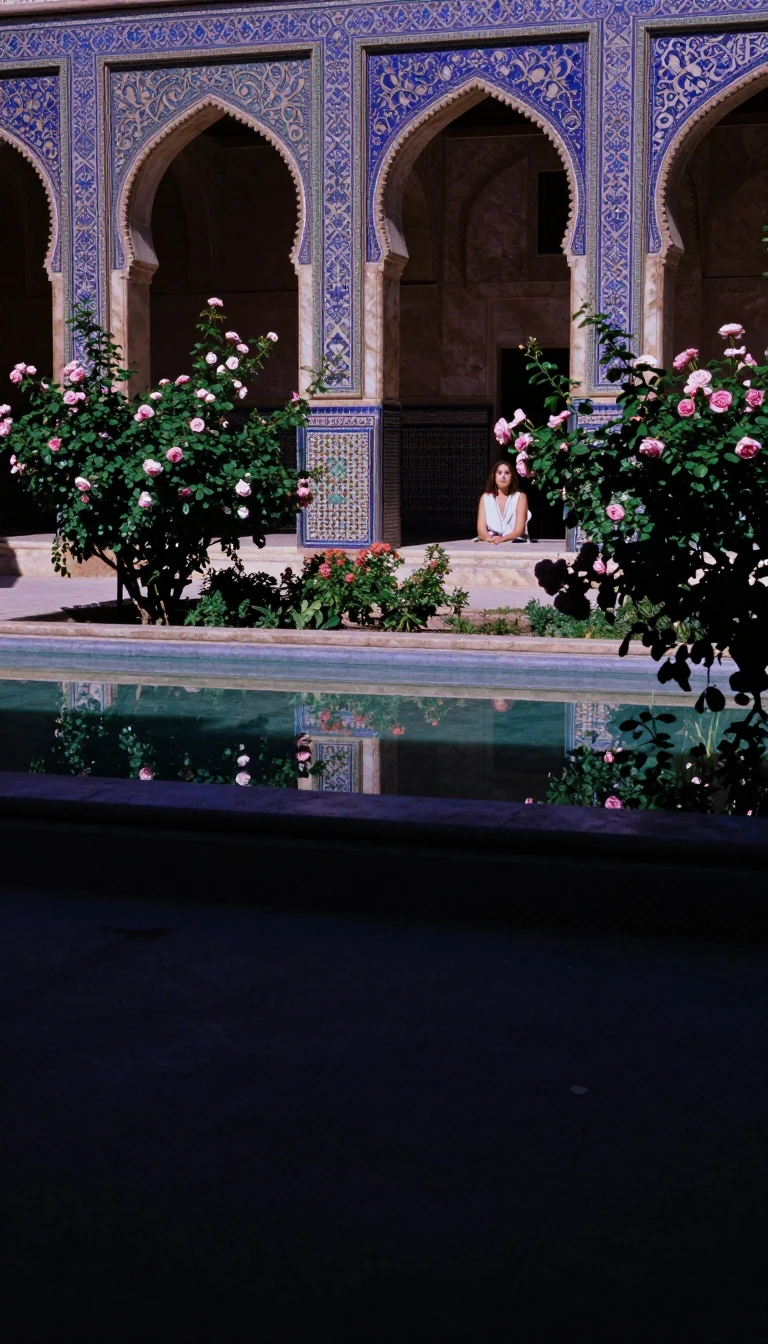 The last monumental tomb garden of the declining Mughal EmpireCompleted in 1754, the Tomb of Safdar Jang serves as a striking architectural paradox. While it mimics the legendary grandeur of the Taj Mahal, this mausoleum reflects a period of…
 The land is everywhere or nowhere for the urban IndianFor many Native Americans, the struggle for identity isn't about returning to a sacred mountain range, but navigating the glass and concrete of a modern city. Tommy Orange’s There…
 The oldest marine unit in existence has survived five centuries of global conflictTracing its lineage to 1537, the Spanish Marine Infantry has transitioned from Napoleonic boarding parties to modern amphibious specialists. From the legendary Tercios to the high…
- The Swedish Caribbean: A Century of Trade and Tropical GovernanceIn 1784, Sweden acquired a Caribbean island from France in exchange for trading rights in Gothenburg. For nearly 100 years, this northern power managed a tropical outpost that bec…
 The Quranic hero Dhu al-Qarnayn and the ghost of Alexander the GreatIn the Quran, a figure named Dhu al-Qarnayn is described as a powerful ruler who built a barrier against the tribes of Gog and Magog. For centuries, scholars have debated whether …
 The island where the Greeks hid their fleet to trick TroyTenedos is a small island with a massive shadow. In the Aeneid, it served as the ultimate tactical decoy: a place where the Greeks concealed their ships to trick the Trojans into …
 The Blond Ghost: The CIA officer who directed secret warsKnown as the "Blond Ghost," Theodore Shackley was one of the CIA's most decorated and controversial figures. From directing covert operations in Cuba and Laos to overseeing the se…
 The 'Miniature Austria' that served as a medieval Moldavian capitalFor nearly two centuries, this Romanian city served as the seat of power for the Principality of Moldavia. From a medieval fortress to a strategic Habsburg commercial hub, its his…
 Are the Mishar Tatars the last 'pure' descendants of the Kipchaks?While many ethnic identities blur over centuries of migration, the Mishar Tatars remain a linguistic and cultural enigma. Often overshadowed by the Kazan Tatars, they preserve a d…
- A dynasty of terror: how family wealth fueled a modern insurgencyThe Maute Group wasn't just a band of insurgents; it was a family enterprise. While often portrayed as fringe militants, the group’s rise in the Philippines was underpinned by sig…
 The town that burned its own homes to spite an armyDuring the American Civil War, the residents of Princeton, West Virginia, took a radical step to protect their supplies. Rather than letting the Union army seize their resources, …
 The secret underwater 'ears' that listened for Soviet submarinesDuring the Cold War, the U.S. Navy built a massive, clandestine network of underwater hydrophones to track Soviet ships. Hidden behind a cover story of oceanographic research, thi…
 How a single fortress siege changed the course of the Italian CampaignBetween 1796 and 1797, Napoleon Bonaparte faced a grueling test of endurance at Mantua. For months, an Austrian garrison held this strategic stronghold, surviving four desperate r…
 A fortress born of revenge and the shield of MoscowIn 1339, Serpukhov was established with a singular purpose: to guard the southern approaches to Moscow. But its history is defined by a cycle of strategic importance and brutal re…
- A name born from a place to watch for fishBefore it was a manufacturing hub or a county seat, Skowhegan was a vital seasonal waypoint for the Abenaki people. The town's very identity is rooted in an ancient practice of wa…
- A colonial architectural rivalry shaped the seat of Indian powerThe Secretariat Building was born from a professional feud between two of Britain's most prominent architects. While one sought to create a humble backdrop for the Viceroy’s House…
 The king who died for a crusade and became a ghostSebastian I was a devout, impulsive monarch who traded Portugal's stability for a messianic dream of a holy crusade. His sudden death in 1578 didn't just end a dynasty; it birthed…
 The Shah who traded imperial power for opium and wineShah Safi inherited a superpower but left behind a shrinking empire. A reclusive ruler with no interest in governance, he chose to spend his reign purging rivals and indulging in …
 The company that mapped the American road and survived the Great FireBefore GPS, one firm defined how Americans navigated the continent. From printing railroad timetables to inventing the numbered highway system, Rand McNally transformed from a loc…
- The fortress that served as a gateway against imperial expansionFor centuries, this rugged landscape functioned as a vital defensive shield for southern India. Its hills were not merely scenery but strategic barriers designed to repel imperial…
 The hidden geometry of timber: how size dictates a tree's destinyA tree's value isn't just in its wood, but in its diameter. In the industrial forest, a few inches of growth can determine whether a tree becomes a high-end furniture piece, a str…
 The simple physics that turned a flight curiosity into a modern weaponFor decades, the four-rotor configuration was a mechanical curiosity—too difficult to pilot and inefficient for heavy lifting. That changed when electronics caught up with aerodyn…
 The life-saving mechanical fail-safe that keeps heavy machinery from rolling awayIn a world of complex hydraulics and electronic sensors, the parking brake remains a vital mechanical anchor. From securing modern cars on steep inclines to preventing massive tra…
 The 'Hill Region' of Maine: A Landscape of Lofty Peaks and GlensLong before it was a county, this land was defined by its dramatic topography. Oxford County is a wild haven of snowy summits and blocked valleys, noted during the 1800s for posse…
 The 13th-century maps that mastered the Mediterranean without knowing the Earth was roundBefore modern GPS, mariners relied on portolan charts—hand-drawn vellum maps defined by a striking web of rhumb lines. These charts were so accurate at depicting coastlines that t…
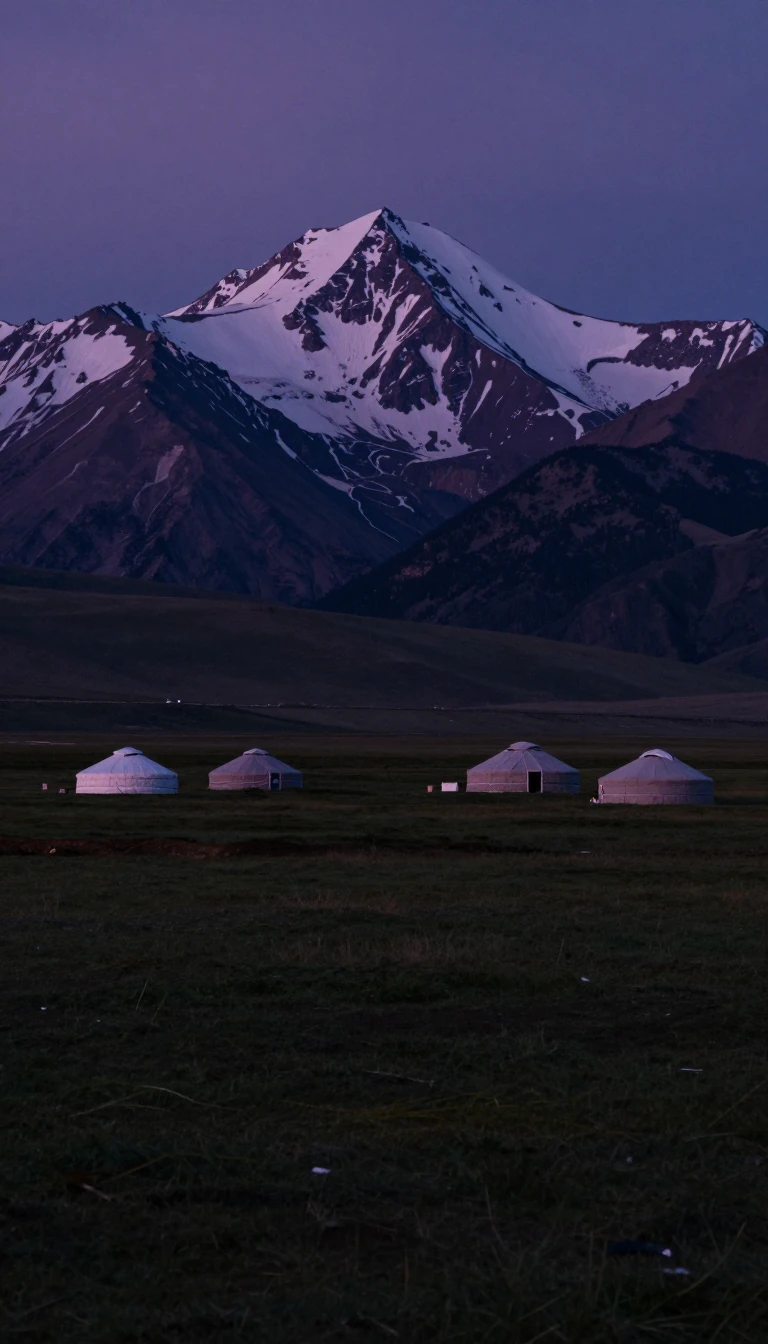 The Siberian people whose name was invented by Soviet authoritiesFor centuries, these Siberian people were known as Kyrgyz or Tatars. Their current identity is actually a modern construct born from 20th-century administrative engineering. Sovie…
 The Polish town that served as a gateway to HungaryIn the 14th century, Nowy Sącz was so strategically vital that it forced a trade pact with Kraków. Merchants traveling to Hungary were required to stop there, while those heading …