The Tennessee-class battleships were the last to engage in a historic naval gun battle.
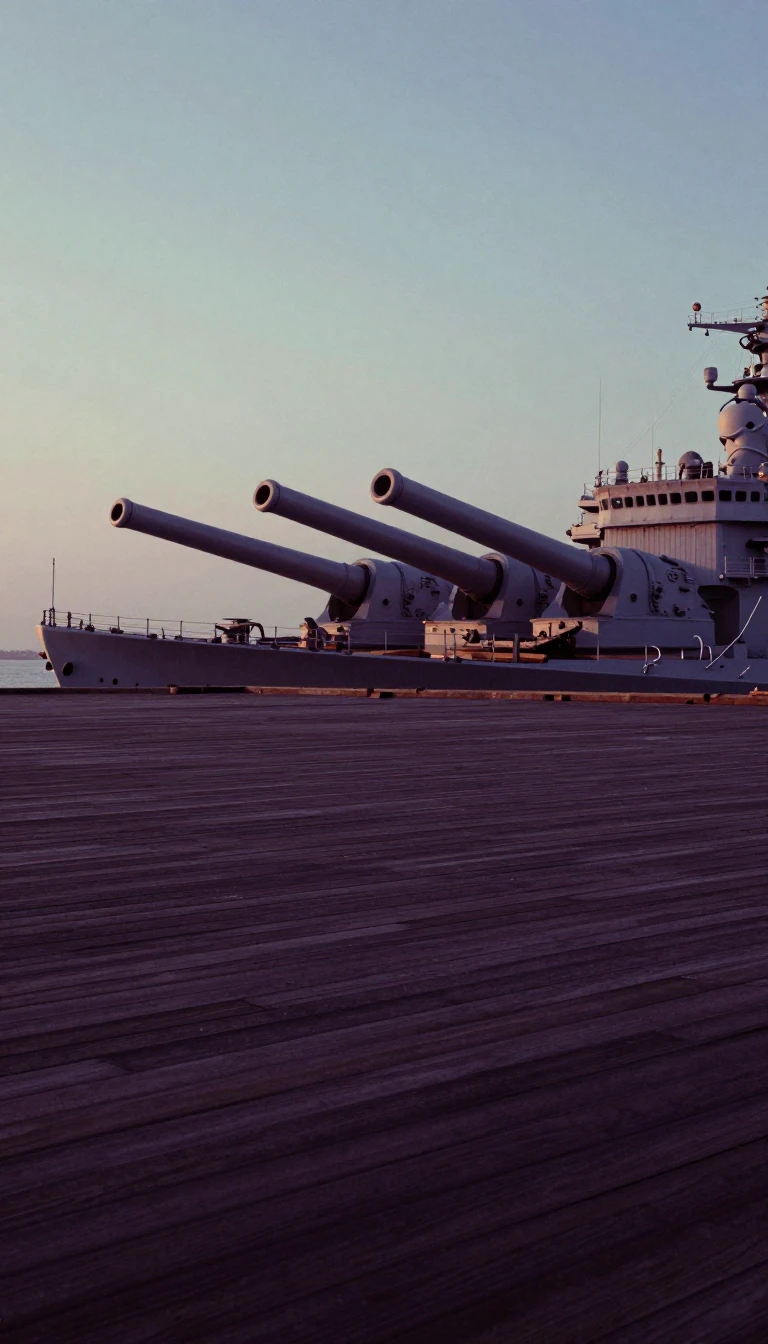
In short: Built as standard-type battleships in the late 1910s, the Tennessee and California were designed to resist underwater threats. After surviving the 1941 attack on Pearl Harbor, these vessels were extensively rebuilt, transforming into vital bombardment platforms that supported the Pacific island-hopping campaign and participated in the final battleship engagement ever.
The Tennessee class, comprising the USS Tennessee and USS California, originated from a 1915 design mandate. While the General Board sought a departure from the standard-type battleship series to counter European 15-inch guns, Secretary of the Navy Josephus Daniels insisted on repeating the New Mexico class design with specific improvements. These included a robust underwater protection system featuring four torpedo bulkheads designed to absorb explosion energy, a feature that proved highly effective in later naval architecture.
The ships were powered by a sophisticated turbo-electric drive, a system retroactively applied before construction began. Their main battery consisted of twelve 14-inch guns in four triple turrets, modified during construction to allow for 30-degree elevation following lessons from the Battle of Jutland. This adjustment enabled long-range plunging fire, though the guns initially suffered from dispersion issues caused by overly long chambers. By the time they were fully modernized in 1943, their superstructures were completely revised, and their secondary armament was standardized to sixteen 5-inch/38 caliber guns.
Their wartime service was defined by the Pacific conflict. Present at Pearl Harbor in December 1941, California was sunk in shallow water while Tennessee suffered minimal damage. Following extensive reconstruction at Puget Sound, both ships became essential for shore bombardment. They famously participated in the Battle of Surigao Strait on 24 October 1944, the last time battleships would ever engage one another in history. After the war, their increased beam—a result of the 1943 anti-torpedo bulge installation—prevented them from transiting the Panama Canal, forcing a long journey to the Atlantic Reserve Fleet, where they remained until being scrapped in 1959.
Opens the Intellect+ feed with this card first. Swipe up for the next one.
Sources
- Summary by Intellect · source: Tennessee-class battleship
To cite this card, link to https://intellectplus.co.uk/app/wars-tennessee-class-battleship.
How we source, check and correct cards: Editorial standards.
General information, not professional advice. Spotted an error? Flag the card or see corrections and complaints.
Intellect Plus is a visual educational discovery platform for exploring fascinating facts and ideas. Brain Food, Not Brain Rot. What is Intellect Plus?
Related
More in Early modern wars · More in Wars & Conflicts · Latest · A–Z · All topics
