How Pompey the Great tricked Rome into accepting its first permanent stone theatre
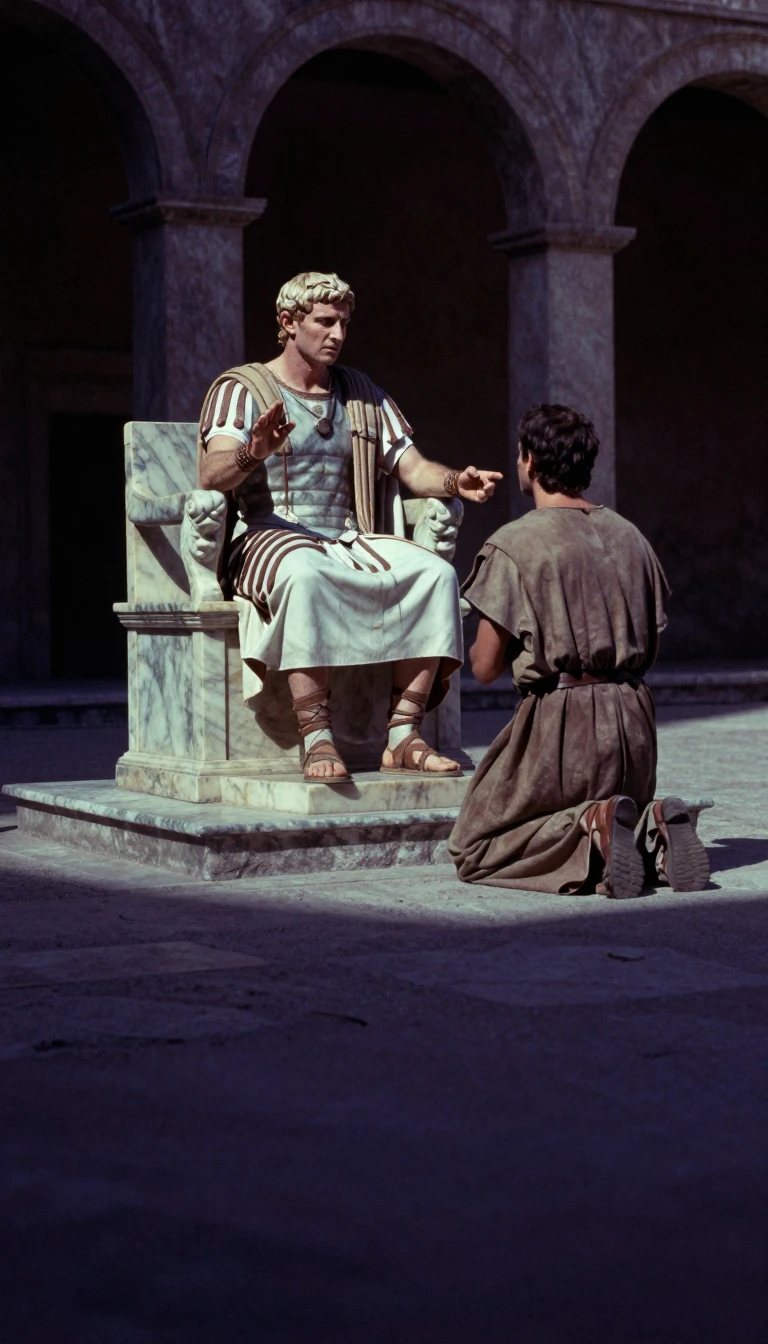
In short: Rome once banned permanent theatres, fearing they encouraged decadence. To bypass this, Pompey the Great built his massive complex in the Campus Martius, disguised as a temple to Venus Victrix. He claimed he had merely added seating to a shrine, creating a political masterpiece that forever changed Roman architecture.
Completed around 55 BC, the Theatre of Pompey was a revolutionary feat of engineering. Before its construction, Roman theatres were temporary wooden structures that were quickly dismantled. By building outside the city's sacred boundary, or pomerium, Pompey circumvented the traditional prohibition against permanent stone venues. He cleverly integrated a temple to Venus Victrix at the top of the seating, allowing him to argue that the structure was a religious site rather than a theatre, a claim likely made in jest to avoid political censure.
The complex was far more than a stage; it functioned as a sprawling community hub. It featured a vast garden, fountains, and a portico of 100 columns that housed art collections from Pompey’s military campaigns. This design, which included arched substructures and tiered seating accessed by vomitoria, became the blueprint for future Roman theatres. The site also included the Curia of Pompey, a hall used for Senate meetings. It was here, on 15 March 44 BC, that Julius Caesar was assassinated, forever linking the theatre to one of history’s most pivotal political moments.
Over the centuries, the theatre endured fires, restorations, and the eventual decline of Rome. While it remained the city's premier venue for decades, it was eventually abandoned as the population dwindled following the Gothic War. By the Middle Ages, the structure was quarried for stone, and modern buildings were constructed directly over its foundations. Today, the theatre’s semicircular footprint is still traceable through the streets of Rome, and fragments of its original walls and arches remain hidden within the basements and cellars of modern structures near the Campo de' Fiori.
Opens the Intellect+ feed with this card first. Swipe up for the next one.
Sources
- Summary by Intellect · source: Theatre of Pompey
- Also: Pompey’s Theatre | theater, Rome, Italy | Britannica
To cite this card, link to https://intellectplus.co.uk/app/wars-theatre-of-pompey.
How we source, check and correct cards: Editorial standards.
General information, not professional advice. Spotted an error? Flag the card or see corrections and complaints.
Intellect Plus is a visual educational discovery platform for exploring fascinating facts and ideas. Brain Food, Not Brain Rot. What is Intellect Plus?
Related
More in Ancient & biblical wars · More in Wars & Conflicts · Latest · A–Z · All topics
