The Quranic hero Dhu al-Qarnayn and the ghost of Alexander the Great
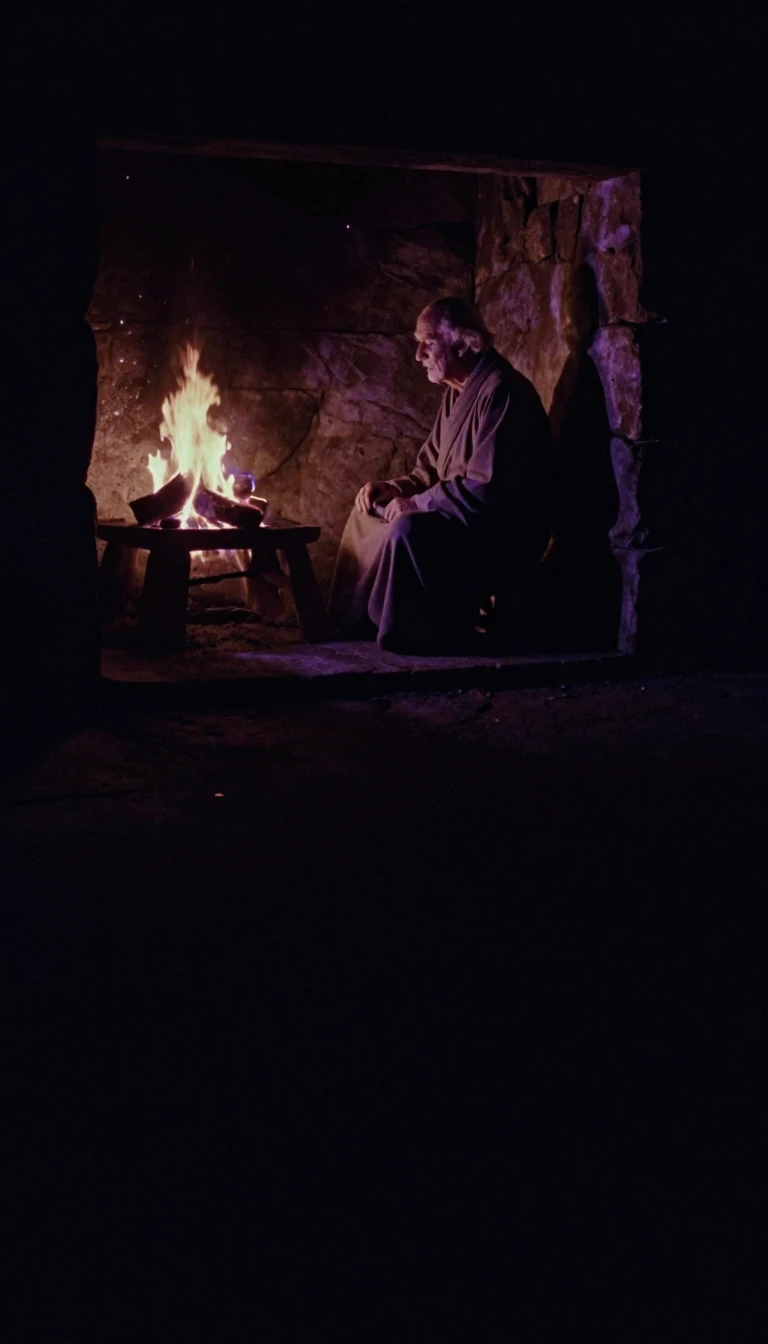
In short: In the Quran, a figure named Dhu al-Qarnayn is described as a powerful ruler who built a barrier against the tribes of Gog and Magog. For centuries, scholars have debated whether this figure is a distinct historical entity or a spiritual echo of the legendary Macedonian conqueror.
The connection between Dhu al-Qarnayn and Alexander the Great is rooted in the 'Alexander Romance,' a massive body of legendary literature that emerged after Alexander's death in 323 BC. While the historical Alexander was a conqueror, the Romance transformed him into a mystical hero who traveled to the ends of the world, visited the Land of Darkness, and sought the Water of Life. These legends were so pervasive that they were adopted and 'theologized' by various cultures, including Jewish and Christian traditions, often depicting him as a righteous monotheist.
The specific narrative of Dhu al-Qarnayn in Surah 18 of the Quran shares striking similarities with the 'Syriac Legend of Alexander' (Neṣḥānā). This Syriac account describes Alexander traveling to the world's edge to build a wall in the Caucasus Mountains to imprison Gog and Magog. Because many scholars date the Quranic Surah 18 to the second Meccan Period (615–619 CE), and the Syriac Legend is often dated to 629–636 CE, some argue the Syriac text could not be the primary source. However, others suggest the core storyline was part of a living oral tradition that existed long before it was ever committed to Syriac writing.
The Syriac Legend itself was likely composed as propaganda for the Byzantine Emperor Heraclius following his victory over the Persians in 628 CE. It notably lacks mentions of the Muslim conquest of Jerusalem in 636 CE, suggesting it was recorded before the major Islamic expansions. This complex web of literary transmission—from Greek manuscripts in 3rd-century Alexandria to Syriac homilies and eventually to the Quran—illustrates how a single historical figure can be transmuted into a multi-layered religious and cultural symbol over a millennium.
theme perspective
mood reflective
difficulty 3 topics [
Opens the Intellect+ feed with this card first. Swipe up for the next one.
Sources
- Summary by Intellect · source: Theories about Alexander the Great in the Quran
To cite this card, link to https://intellectplus.co.uk/app/wars-theories-about-alexander-the-great-in-the-quran.
How we source, check and correct cards: Editorial standards.
General information, not professional advice. Spotted an error? Flag the card or see corrections and complaints.
Intellect Plus is a visual educational discovery platform for exploring fascinating facts and ideas. Brain Food, Not Brain Rot. What is Intellect Plus?
Related
More in Early modern wars · More in Wars & Conflicts · Latest · A–Z · All topics
