The Type 42 destroyer was a budget-conscious warship that defined British naval air defense.
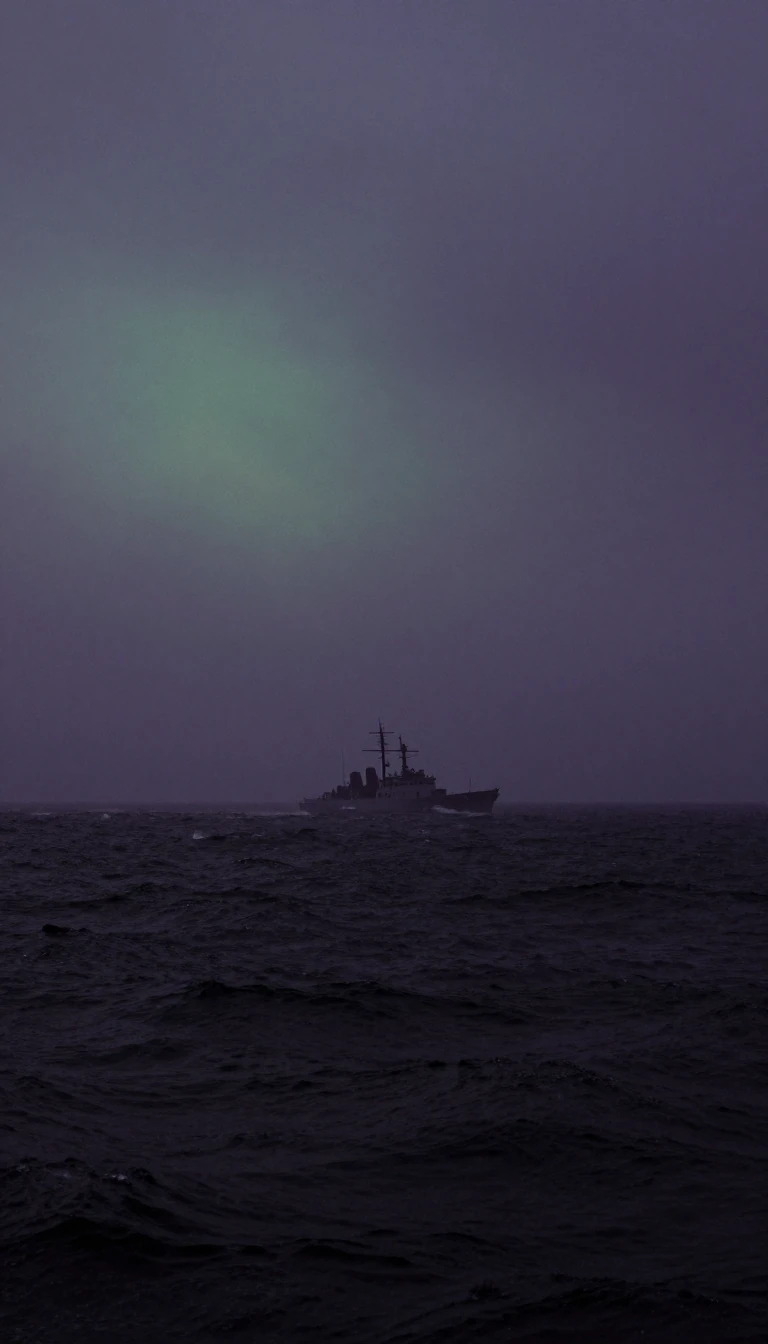
In short: Conceived as a cost-effective alternative to cancelled, complex projects, the Type 42 destroyer served as the Royal Navy's primary air defense shield for decades. Despite its strategic importance, the class faced significant design compromises, combat losses, and persistent maintenance challenges that eventually forced a transition to more capable successors.
Developed in the late 1960s, the Type 42 destroyer was designed to protect naval task groups from airborne threats using the Sea Dart missile system. It emerged after the cancellation of the more expensive Type 82 destroyer, with the government seeking a lighter, more affordable platform. To meet strict budget constraints, designers initially removed 14 meters from the bow, a decision that caused poor performance in heavy seas and necessitated later structural reinforcements. The class was eventually built in three batches, with later versions incorporating hull extensions and improved sensor suites to address early limitations.
The class gained global attention during the 1982 Falklands War, where five British Type 42s saw action. The conflict resulted in the loss of HMS Sheffield and HMS Coventry, highlighting vulnerabilities in the ships' design and electronic warfare capabilities. These losses prompted significant modifications to the remaining fleet, including enhanced damage control measures and updated equipment. Interestingly, the conflict also featured the rare occurrence of identical warship designs serving on opposing sides, as Argentina operated two Type 42s, ARA Hércules and ARA Santísima Trinidad, which had been built to initial British specifications.
Beyond the Falklands, the Type 42s participated in diverse operations, from Persian Gulf patrols to counter-drug missions in the West Indies. By the late 20th century, however, the ships struggled with obsolescence and reliability issues, leading the Royal Navy to prioritize the deployment of newer Type 23 frigates for high-intensity tasks. The class was finally retired in 2013, replaced by the much larger Type 45 destroyer. The Argentine vessels met different fates: Hércules served in a transport role until being declared non-operational in 2020, while Santísima Trinidad sank at her berth in 2013 following years of neglect and cannibalization for spare parts.
Opens the Intellect+ feed with this card first. Swipe up for the next one.
Sources
- Summary by Intellect · source: Type 42 destroyer
To cite this card, link to https://intellectplus.co.uk/app/wars-type-42-destroyer.
How we source, check and correct cards: Editorial standards.
General information, not professional advice. Spotted an error? Flag the card or see corrections and complaints.
Intellect Plus is a visual educational discovery platform for exploring fascinating facts and ideas. Brain Food, Not Brain Rot. What is Intellect Plus?
Related
More in War and military · More in Wars & Conflicts · Latest · A–Z · All topics
