From Revolutionary Blue to Modern Camouflage: The Evolution of the United States Army Uniform
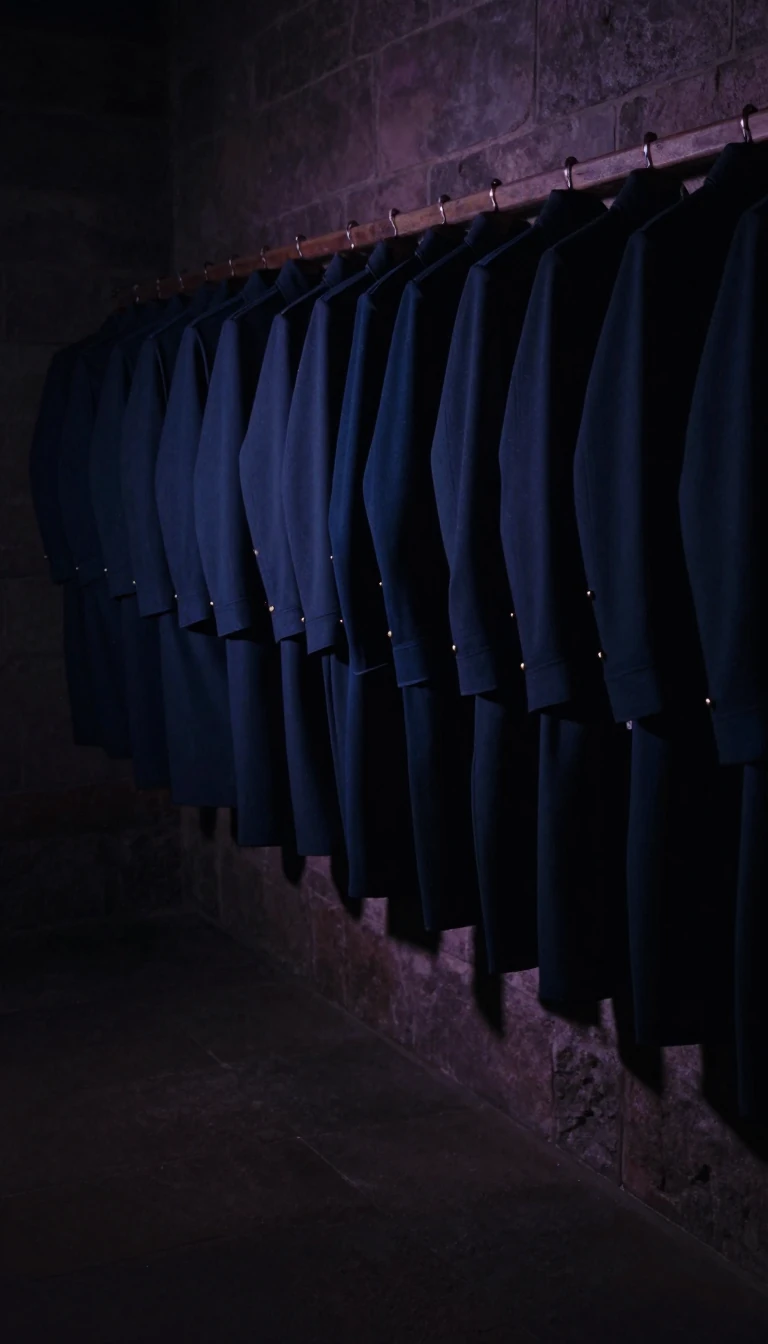
In short: The U.S. Army uniform has evolved from 18th-century tricorne hats and blue coats to the high-tech Operational Camouflage Pattern used today. Beyond mere aesthetics, these changes reflect shifting military tactics, global alliances, and the constant pursuit of better battlefield survivability, mobility, and lethality for the modern American soldier.
The origins of the U.S. Army uniform are deeply rooted in 18th-century European traditions. Early regulations in 1789 prescribed blue coats with specific facing colors to denote a soldier's region of origin, while the iconic tricorne hat defined the silhouette of the Revolutionary War era. By the 19th century, the Army began shifting its aesthetic to align with European trends, adopting the double-breasted coatee and stovepipe shako. This period also saw the introduction of French-inspired elements, which became particularly pronounced during the American Civil War with the use of frock coats and kepi hats.
The 20th century marked a definitive pivot toward functional, field-ready attire. Following lessons learned in the Spanish–American War, the Army adopted khaki and olive drab as standard field colors in 1902, reserving traditional blue for dress occasions. This divergence between field and garrison uniforms accelerated during World War II and the subsequent Korean War. The introduction of the OG-107 fatigue uniform in the 1950s provided a consistent standard for nearly three decades, eventually giving way to the Battle Dress Uniform in 1981 and the modern Army Combat Uniform (ACU) in the mid-2000s.
Today, the Army maintains a sophisticated wardrobe that balances utility with tradition. The ACU, currently issued in the Operational Camouflage Pattern, is designed for both combat and garrison use, featuring modular components like flame-resistant shirts for aviators. Simultaneously, the Army has returned to its roots for professional wear; the Army Green Service Uniform, introduced in 2018 and modeled after World War II-era officer attire, is set to become the mandatory office uniform by October 1, 2027. These distinct classes of dress ensure that while the soldier remains ready for the rigors of the field, the institution preserves its historical identity through formal and ceremonial attire.
Opens the Intellect+ feed with this card first. Swipe up for the next one.
Sources
- Summary by Intellect · source: Uniforms of the United States Army
To cite this card, link to https://intellectplus.co.uk/app/wars-uniforms-of-the-united-states-army.
How we source, check and correct cards: Editorial standards.
General information, not professional advice. Spotted an error? Flag the card or see corrections and complaints.
Intellect Plus is a visual educational discovery platform for exploring fascinating facts and ideas. Brain Food, Not Brain Rot. What is Intellect Plus?
Related
More in War and military · More in Wars & Conflicts · Latest · A–Z · All topics
