Why the Japanese Type 99 rifle became a misunderstood icon of World War II
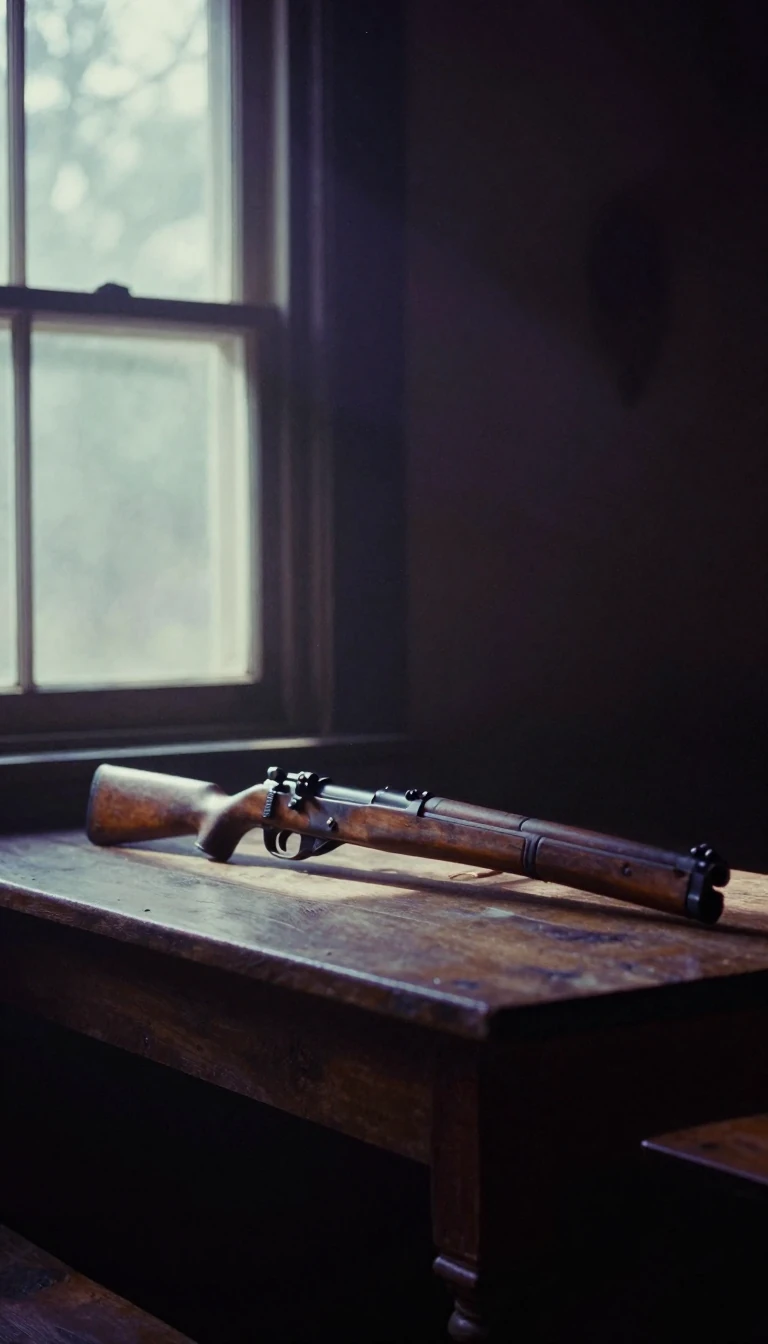
In short: Designed to replace the aging Type 38, the Type 99 rifle was a powerful, chrome-lined bolt-action weapon that defined Japanese infantry combat. While its robust design earned it a reputation for strength, wartime industrial struggles led to crude late-war versions that collectors now distinguish from their high-quality early counterparts.
The Type 99 was born from the Imperial Japanese Army's experience in the Second Sino-Japanese War during the 1930s. Commanders realized the 6.5mm cartridge of the existing Type 38 rifle was outclassed by the 7.7mm rounds used in heavy machine guns. By adopting the larger 7.7mm caliber, the army sought to standardize its ammunition and increase hitting power. The resulting rifle, produced across nine arsenals in Japan, Manchukuo, and Korea, featured innovative additions like a chrome-lined bore—the first of its kind in mass production—and specialized anti-aircraft sights.
As the Pacific War intensified, Japan faced severe industrial strain, forcing engineers to simplify the rifle's design to maintain production volume. These 'last ditch' or 'substitute standard' models lacked the refined finish of earlier versions, featuring wooden buttplates held by nails and fixed sights. Despite these cosmetic shortcuts, the core bolt-action mechanism remained remarkably strong and safe. Some reports of these rifles failing were likely due to soldiers mistakenly firing ball ammunition in specialized training rifles made of mild steel, which were intended only for wooden projectiles.
The rifle's legacy extended well beyond the war. Thousands were brought home by American personnel, often with the imperial chrysanthemum symbol on the receiver defaced to protect the Emperor's honor. Post-war, the Type 99 saw continued service worldwide. Forces in Indonesia, Vietnam, and the Philippines utilized captured stocks, while the Republic of China and South Korea re-chambered thousands to fire different cartridges, such as the .30-06 Springfield. Today, collectors prize early-production models with intact features like the monopod and dust cover, which command significantly higher market value than the simplified late-war variants.
Opens the Intellect+ feed with this card first. Swipe up for the next one.
Sources
- Summary by Intellect · source: Type 99 rifle
To cite this card, link to https://intellectplus.co.uk/app/wars-type-99-rifle.
How we source, check and correct cards: Editorial standards.
General information, not professional advice. Spotted an error? Flag the card or see corrections and complaints.
Intellect Plus is a visual educational discovery platform for exploring fascinating facts and ideas. Brain Food, Not Brain Rot. What is Intellect Plus?
Related
More in 19th-century wars · More in Wars & Conflicts · Latest · A–Z · All topics
