The evolution of naval power from scouting ships to mobile sovereign territory
In short: A modern aircraft carrier is more than a warship; it is a mobile piece of national territory. While its primary role is projecting air power, these vessels also serve as floating command centers and sovereign islands, granting them unique legal protections and immense operational flexibility across the globe.
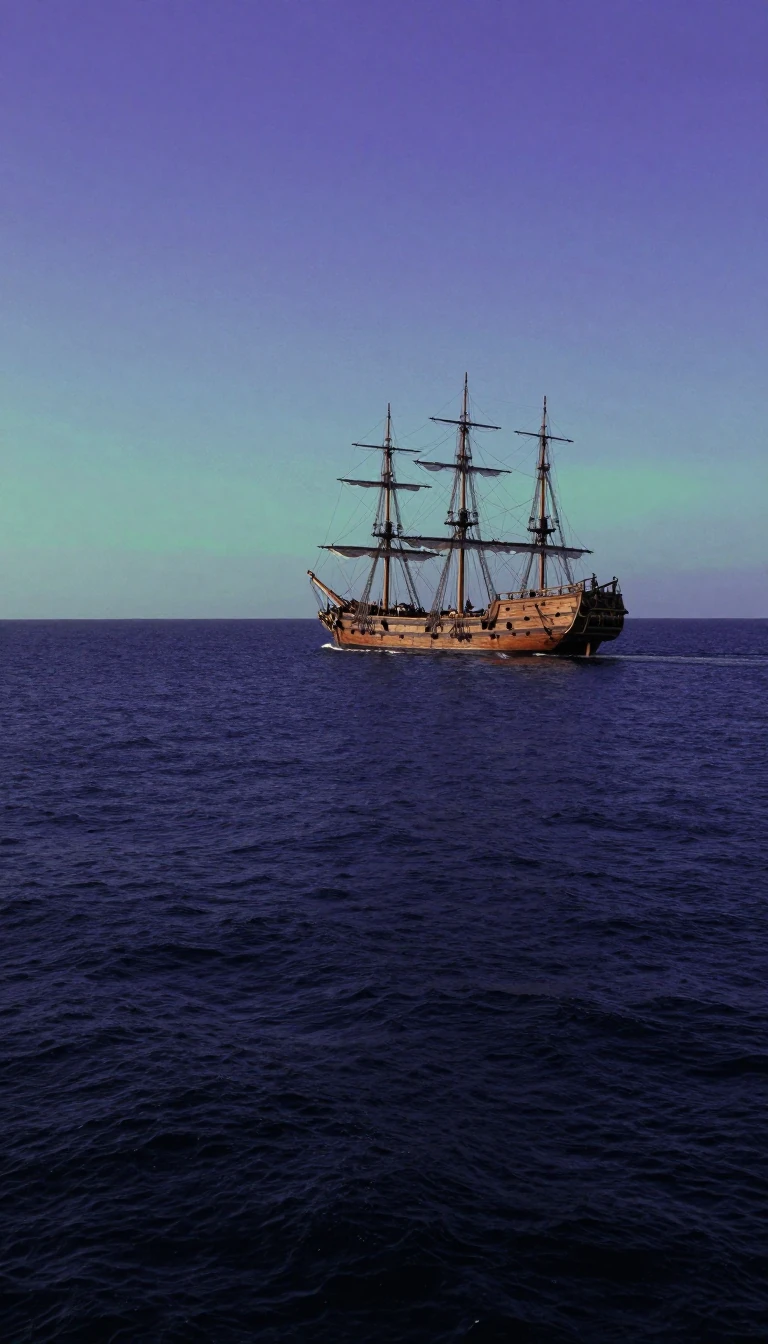
The classification of U.S. Navy ships has shifted dramatically over centuries. During the Age of Sail, 'cruisers' were defined by their missions—independent scouting or raiding—rather than specific designs. It wasn't until the mid-19th century that they became a distinct size category. By 1922, the Washington Naval Treaty formally capped cruiser displacement at 10,000 tons and limited their guns to 8 inches. This shaped naval architecture until World War II, after which the battleship's decline left the cruiser as the most powerful surface combatant, excluding aircraft carriers.
Today, the hierarchy of power has flipped. Modern destroyers (DDGs) have surpassed cruisers in both size and firepower. For example, Arleigh Burke-class destroyers, measuring 510 feet long with a displacement of 8,200 to 9,700 tons, can carry over 90 missiles. These vessels now perform the air defense and surface roles once held by larger ships. Meanwhile, aircraft carriers serve as the cornerstone of U.S. deterrence. A single carrier air wing can execute over 150 strike missions simultaneously, hitting more than 700 targets in a single day.
These ships also carry significant legal weight. Under international law, vessels owned by a state and used exclusively for non-commercial government service enjoy sovereign immunity. This means they are generally exempt from foreign taxation, arrest, or search in international waters. This status allows a carrier to function as a mobile, sovereign base, capable of hosting foreign aircraft—such as the French Rafale—and providing a command platform for multinational task forces far from home ports.
Opens the Intellect+ feed with this card first. Swipe up for the next one.
Sources
- Summary by Intellect · source: United States Navy ships
- Also: Naval Engineers Journal — The Development and Decline in United States Navy Ship Repair Capacity · CC0 (metadata)
- Also: OpenAlex — An Investigation of Long Term Acquisition Cost Growth Rates of United States Navy Ships · CC0 (metadata)
To cite this card, link to https://intellectplus.co.uk/app/wars-united-states-navy-ships.
How we source, check and correct cards: Editorial standards.
General information, not professional advice. Spotted an error? Flag the card or see corrections and complaints.
Intellect Plus is a visual educational discovery platform for exploring fascinating facts and ideas. Brain Food, Not Brain Rot. What is Intellect Plus?
Related
More in War and military · More in Wars & Conflicts · Latest · A–Z · All topics
