The battleship built in a legislative squeeze of steel and space
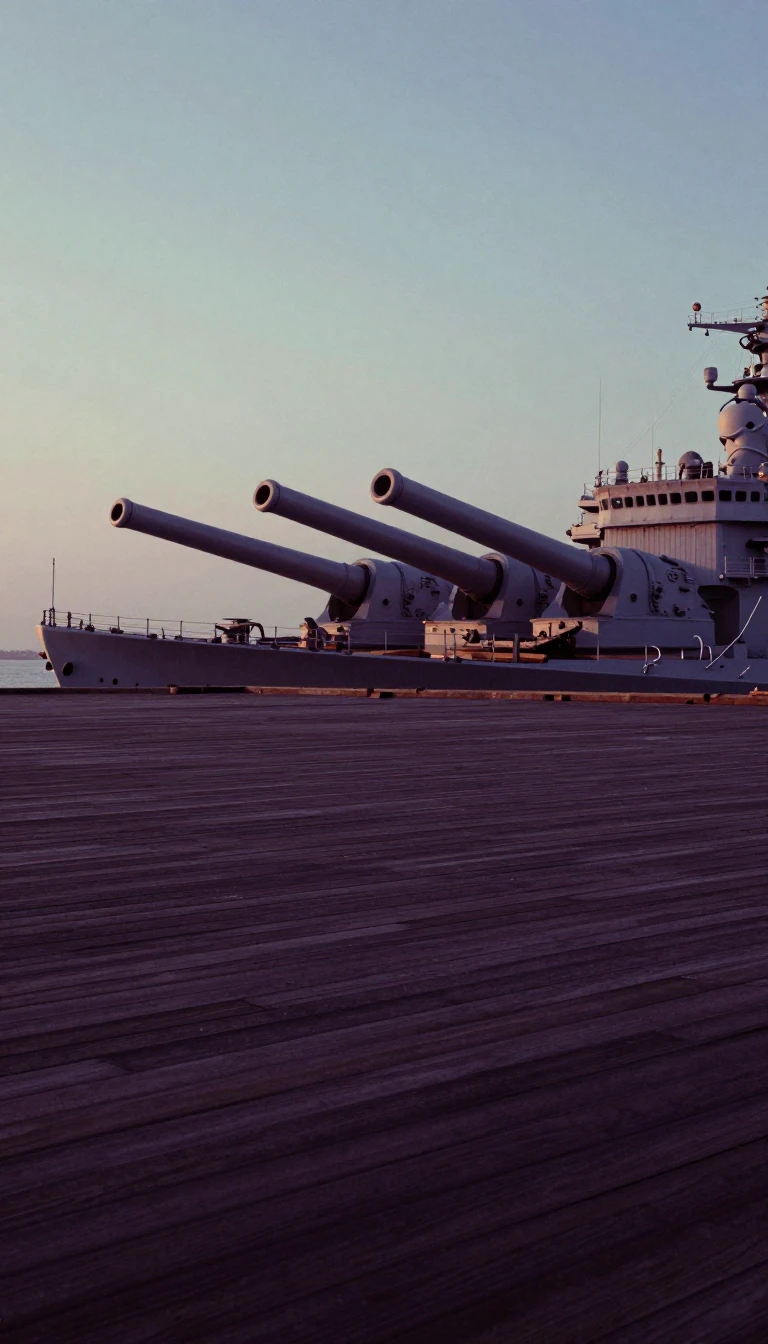
In short: In the 1940s, the US Navy faced a paradox: they needed massive guns to win a world war, but Congress refused to fund the large ships required to carry them. The result was the USS Alabama—a cramped, high-powered powerhouse that pushed naval engineering to its absolute limits.
The construction of the South Dakota class, including the USS Alabama (BB-60), was dictated by a unique geopolitical friction between military necessity and legislative restraint. While Japan's abandonment of the Washington Treaty system in 1936 allowed the US to invoke an 'escalator clause' for larger ships, Congress blocked the authorization of high-displacement vessels. Consequently, designers were forced to keep the Alabama as close to the original 35,000 long ton limit as possible while still incorporating massive 16-inch (406 mm) guns and heavy armor.
This engineering compromise created a 'cramped' ship where every inch of space was contested. To maintain protection against enemy fire of their own caliber, the ships required significant internal volume for armor plates that the hull size simply couldn't easily accommodate. This overcrowding became even more acute during World War II as wartime modifications added heavy anti-aircraft batteries and expanded crews from 1,793 to 2,500 personnel.
Despite these spatial constraints, Alabama served as a versatile workhorse across two theaters. She began in the Atlantic, reinforcing the British Home Fleet to protect Arctic convoys to the Soviet Union before transferring to the Pacific in 1943. There, she transitioned from an escort for fast carrier task forces to a primary bombardment platform, shelling targets from the Gilbert and Marshall Islands to the Philippines, eventually serving as a hospital ship during Operation Magic Carpet.
The vessel's survival today is a result of public intervention. After being decommissioned in 1947 and sitting in the Pacific Reserve Fleet for 15 years, she was nearly sold for scrap. A successful fundraising campaign saved her from the breakers' yard, preserving her as a museum ship in Mobile Bay, Alabama.
Opens the Intellect+ feed with this card first. Swipe up for the next one.
Sources
- Summary by Intellect · source: USS Alabama (BB-60)
To cite this card, link to https://intellectplus.co.uk/app/wars-uss-alabama-bb-60.
How we source, check and correct cards: Editorial standards.
General information, not professional advice. Spotted an error? Flag the card or see corrections and complaints.
Intellect Plus is a visual educational discovery platform for exploring fascinating facts and ideas. Brain Food, Not Brain Rot. What is Intellect Plus?
Related
More in World wars era · More in Wars & Conflicts · Latest · A–Z · All topics
