The Atari 7800 was a technological powerhouse that arrived two years too late
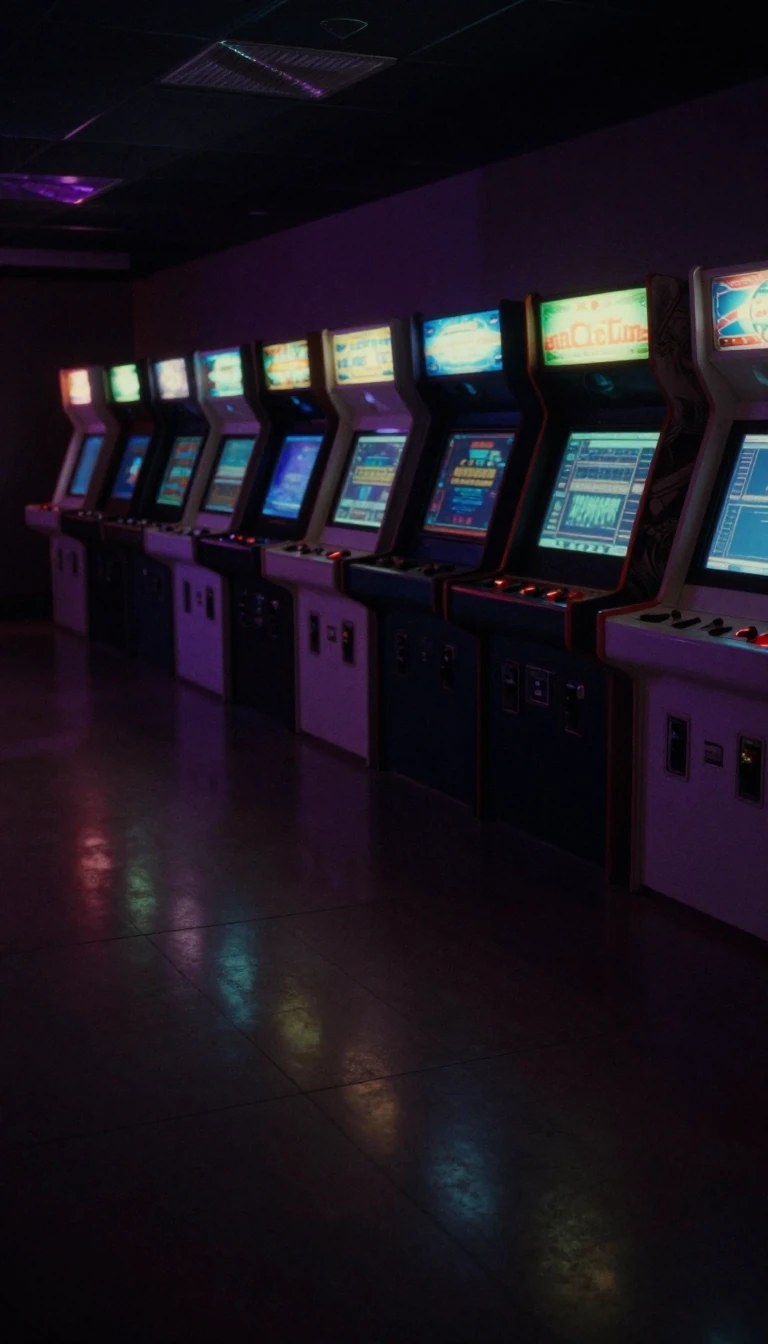
In short: Designed by General Computer Corporation to rival arcade machines, the Atari 7800 promised a massive leap in power. Yet, corporate turmoil and a delayed launch left it fighting for scraps against Nintendo and Sega. Discover why this console, despite its innovative graphics architecture, struggled to find its place in history.
Originally developed in 1983–84 as the Atari 3600, the console was a victim of corporate upheaval. After Atari, Inc. announced the system in May 1984, the company was sold to Jack Tramiel, who halted all projects to evaluate the business. This delay left finished consoles languishing in warehouses until their eventual nationwide release in May 1986. By the time the 7800 hit shelves for $79.95, it was competing against established giants; while Atari spent a modest amount in the low millions on marketing, Nintendo and Sega were spending $16 million and $9 million respectively.
The 7800’s secret weapon was the custom MARIA graphics chip. Unlike competitors that relied on limited hardware sprites, MARIA treated everything as a sprite described in display lists, allowing for sophisticated arcade-style visuals. It supported a 256-color palette and high-resolution modes of 320 pixels wide, theoretically outperforming the Nintendo Entertainment System. However, the processing demands of this architecture meant most developers stuck to the 160-pixel mode. Furthermore, while the console featured backward compatibility with the Atari 2600, it relied on the aging Television Interface Adaptor chip for audio, limiting its sound capabilities unless developers included an additional POKEY chip in the game cartridge.
Despite its technical merits, the 7800 never achieved the consumer traction of its predecessor. By February 1987, Atari had sold 100,000 units in the United States, trailing far behind the 1.1 million consoles sold by Nintendo. Support for the system was officially dropped in 1992, though it found a niche market in Europe, where it remained available through mail-order catalogues and in less affluent areas until 1995. It remains a fascinating case study of how a significant technological leap can be undermined by the timing of corporate acquisitions and the sheer momentum of market rivals.
Opens the Intellect+ feed with this card first. Swipe up for the next one.
Sources
- Summary by Intellect · source: Atari 7800
To cite this card, link to https://intellectplus.co.uk/app/wealth-atari-7800.
How we source, check and correct cards: Editorial standards.
General information, not professional advice. Spotted an error? Flag the card or see corrections and complaints.
Intellect Plus is a visual educational discovery platform for exploring fascinating facts and ideas. Brain Food, Not Brain Rot. What is Intellect Plus?
Related
More in Brands & companies · More in Wealth & Business · Latest · A–Z · All topics
