The Atari 2600 was a masterpiece of engineering built on a shoestring budget
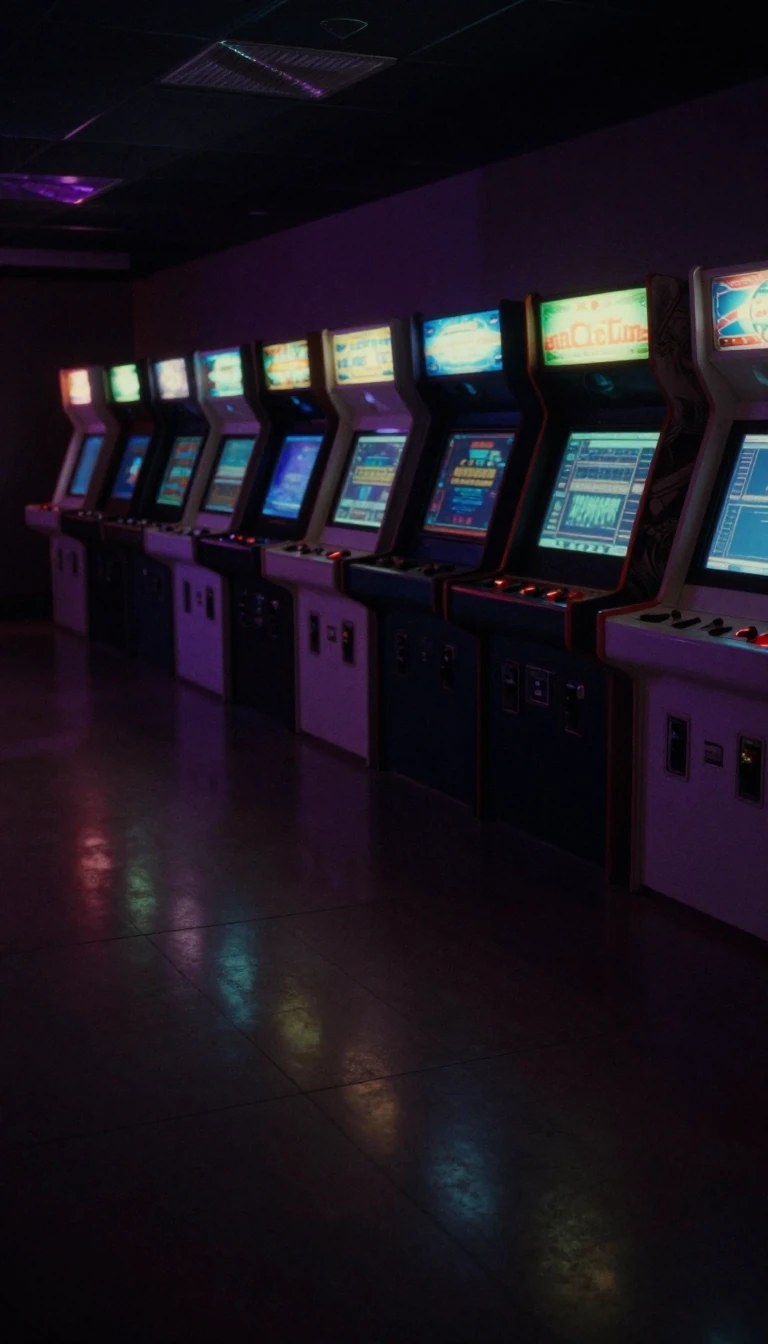
In short: Released in 1977, the Atari 2600 transformed home entertainment by moving away from dedicated, single-game hardware to a programmable system using swappable cartridges. Its success relied on brilliant, cost-saving engineering tricks that allowed programmers to push a machine with almost no memory to its absolute limit for over a decade.
Developed under the codename Stella, the console was designed to solve the problem of rapid obsolescence in the arcade industry. By utilizing the MOS Technology 6507 microprocessor, Atari created a system that was both powerful and affordable. To keep costs down, the hardware lacked a frame buffer, forcing developers to 'race the beam'—a technique where code had to be synchronized with the television's electron gun as it scanned across the screen. If the processor failed to update sprite positions or colors in time, the image would flicker or fail to render.
The 2600 was famously constrained, shipping with only 128 bytes of RAM and a cartridge interface that limited addressable memory to 4 KB. Despite these severe limitations, the system became a cultural phenomenon. Early titles like Combat and Space Invaders proved the concept, while later games like Pitfall! demonstrated how advanced gameplay could be achieved through creative programming and 'bank switching,' a method that allowed cartridges to exceed the system's original memory limits.
The console's dominance eventually faltered due to a combination of market saturation, poor management decisions, and the release of rushed, low-quality software like E.T. the Extra-Terrestrial. This contributed to the North American video game crash of 1983. However, the 2600 proved remarkably resilient. After being acquired by Jack Tramiel in 1984, the console was rebranded and sold as a low-cost alternative to newer systems, remaining in production until 1992 and selling an estimated 30 million units worldwide.
The legacy of the 2600 extends beyond its hardware. It established the third-party licensing model still used by the industry today, following a legal settlement with Activision, a company founded by former Atari developers. From its humble origins as a prototype built on a bicycle-branded breadboard to its final days in the European market, the 2600 remains a landmark in human-achievement, proving that technical constraints often drive the most innovative design solutions.
Opens the Intellect+ feed with this card first. Swipe up for the next one.
Sources
- Summary by Intellect · source: Atari 2600
- Also: Wikidata — Atari 2600 · CC0
To cite this card, link to https://intellectplus.co.uk/app/sport-atari-2600.
How we source, check and correct cards: Editorial standards.
General information, not professional advice. Spotted an error? Flag the card or see corrections and complaints.
Intellect Plus is a visual educational discovery platform for exploring fascinating facts and ideas. Brain Food, Not Brain Rot. What is Intellect Plus?
Related
More in Sports and recreation · More in Sport & Games · Latest · A–Z · All topics
