How Stanley Kubrick used NASA technology to film by the light of a candle
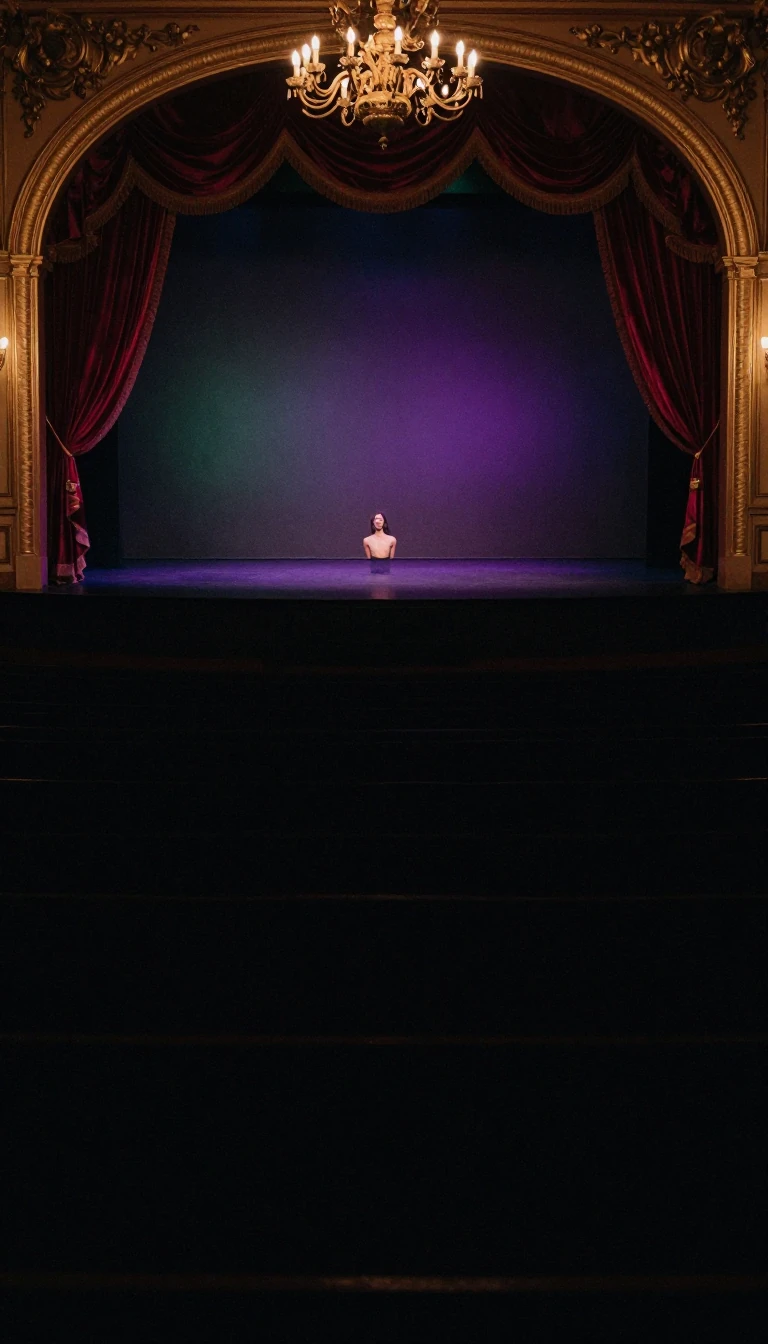
In short: To capture the authentic glow of the 18th century, Stanley Kubrick rejected modern electric lighting for his 1975 masterpiece Barry Lyndon. He sourced ultra-fast lenses originally designed for NASA moon landings, allowing his crew to film by candlelight—a technical feat that remains a benchmark in cinematic history.
Stanley Kubrick’s Barry Lyndon, an adaptation of William Makepeace Thackeray’s 1844 novel, is celebrated for its painterly aesthetic and technical innovation. Seeking to avoid the artificial, set-bound look common to period dramas, Kubrick and cinematographer John Alcott aimed to recreate the dim, natural atmosphere of the 1700s. The production’s most daring choice was to film interior scenes using only candlelight, a process that required extreme technical precision.
The solution came from an unlikely source: NASA. Kubrick acquired three super-fast Carl Zeiss Planar 50mm f/0.7 lenses, originally developed for the Apollo Moon landings. These lenses featured the lowest f-stop in film history, allowing the team to capture images with an average lighting volume of just three candela. To make them functional for cinema, the lenses were extensively modified by the Cinema Products Corporation, requiring the rear element to sit just 2.5 mm from the film plane. This necessitated custom adjustments to the camera's rotating shutter.
Beyond the lenses, the film’s visual identity was shaped by a commitment to naturalism and historical accuracy. Lighting was often placed outside windows to mimic daylight, protecting historic locations from heat damage and avoiding the clutter of conventional studio rigs. This approach, combined with a push-developed film stock, resulted in a static, museum-like quality that critics have likened to the works of William Hogarth, Watteau, and Gainsborough. The film serves as a rare record of interiors, such as those at Powerscourt House, which were destroyed by fire shortly after production.
Despite its critical acclaim and four Academy Awards, the film was not the commercial triumph Warner Bros. anticipated in the United States, grossing $9.1 million domestically against a $11–12 million budget. Nevertheless, its reputation has only grown, with the 2022 Sight & Sound poll ranking it among the greatest films ever made. It remains a testament to Kubrick’s perfectionism, where even the smallest details—from the period-specific pallor of his actors to the authentic candlelight—were meticulously curated to pin his characters to the screen like butterflies.
Opens the Intellect+ feed with this card first. Swipe up for the next one.
Sources
- Summary by Intellect · source: Barry Lyndon
To cite this card, link to https://intellectplus.co.uk/app/wealth-barry-lyndon.
How we source, check and correct cards: Editorial standards.
General information, not professional advice. Spotted an error? Flag the card or see corrections and complaints.
Intellect Plus is a visual educational discovery platform for exploring fascinating facts and ideas. Brain Food, Not Brain Rot. What is Intellect Plus?
Related
More in Businesspeople · More in Wealth & Business · Latest · A–Z · All topics
