The movie camera evolved from scientific instruments designed to trace invisible natural phenomena.
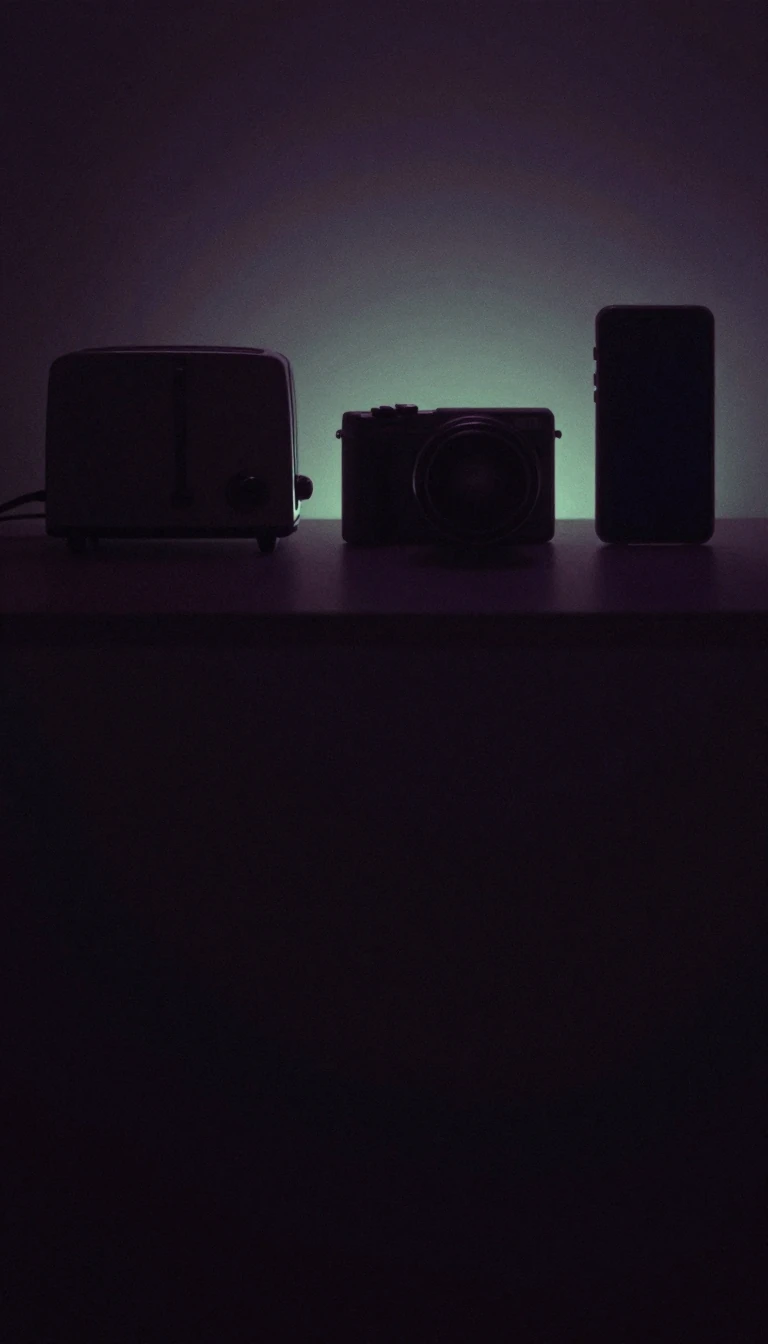
In short: Before capturing cinema, cameras were scientific tools. Early inventors like Francis Ronalds used clockwork-driven photosensitive surfaces to record instrument variations at observatories. This tradition of precision engineering, combined with the pursuit of life-like projection, eventually transformed the camera from a static data-logger into the foundation of modern motion pictures.
The transition from still photography to motion pictures relied on solving the mechanical challenge of intermittent movement. Early pioneers like Eadweard Muybridge used batteries of cameras to capture sequential images, such as the famous 1878 study of the racehorse Sallie Gardner. However, the true breakthrough for practical cinematography came with the development of systems that could transport film through a gate, expose it, and advance it in rapid, stop-and-go cycles. William Kennedy Laurie Dickson’s 1891 Kinetograph, powered by an electric motor and using an escapement disc mechanism, established the standard for this high-speed movement, allowing for the consistent frame rates that define the medium.
While the mechanics of film transport were critical, the camera's utility expanded through innovation in portability and optics. By the early 20th century, inventors like Kazimierz Prószyński created the Aeroscope, the first successful handheld camera, which freed operators from the need to hand-crank the device. This mobility opened new possibilities for military and aerial photography. Simultaneously, optical advancements such as Erich Kästner’s 1937 mirrored shutter allowed operators to view scenes directly through the lens, finally eliminating the parallax issues that had long plagued filmmakers.
The evolution of the camera also debunked the myth that early cinema was strictly monochromatic. From the late 19th century, filmmakers employed hand-coloring, tinting, and toning to bring color to the screen. These manual techniques eventually gave way to sophisticated additive and subtractive systems, such as Technicolor’s beam-splitting processes. Today, the industry has shifted from analog celluloid to digital sensors like CCD and CMOS. Despite these technological leaps—from the 1880s selenium cells to the 2008 introduction of video-capable DSLRs—the core objective remains unchanged: capturing and reproducing the illusion of motion for an audience.
Opens the Intellect+ feed with this card first. Swipe up for the next one.
Sources
- Summary by Intellect · source: Movie camera
To cite this card, link to https://intellectplus.co.uk/app/science-movie-camera.
How we source, check and correct cards: Editorial standards.
General information, not professional advice. Spotted an error? Flag the card or see corrections and complaints.
Intellect Plus is a visual educational discovery platform for exploring fascinating facts and ideas. Brain Food, Not Brain Rot. What is Intellect Plus?
