How 44 Nations Redesigned the Global Economy at a Remote New Hampshire Hotel
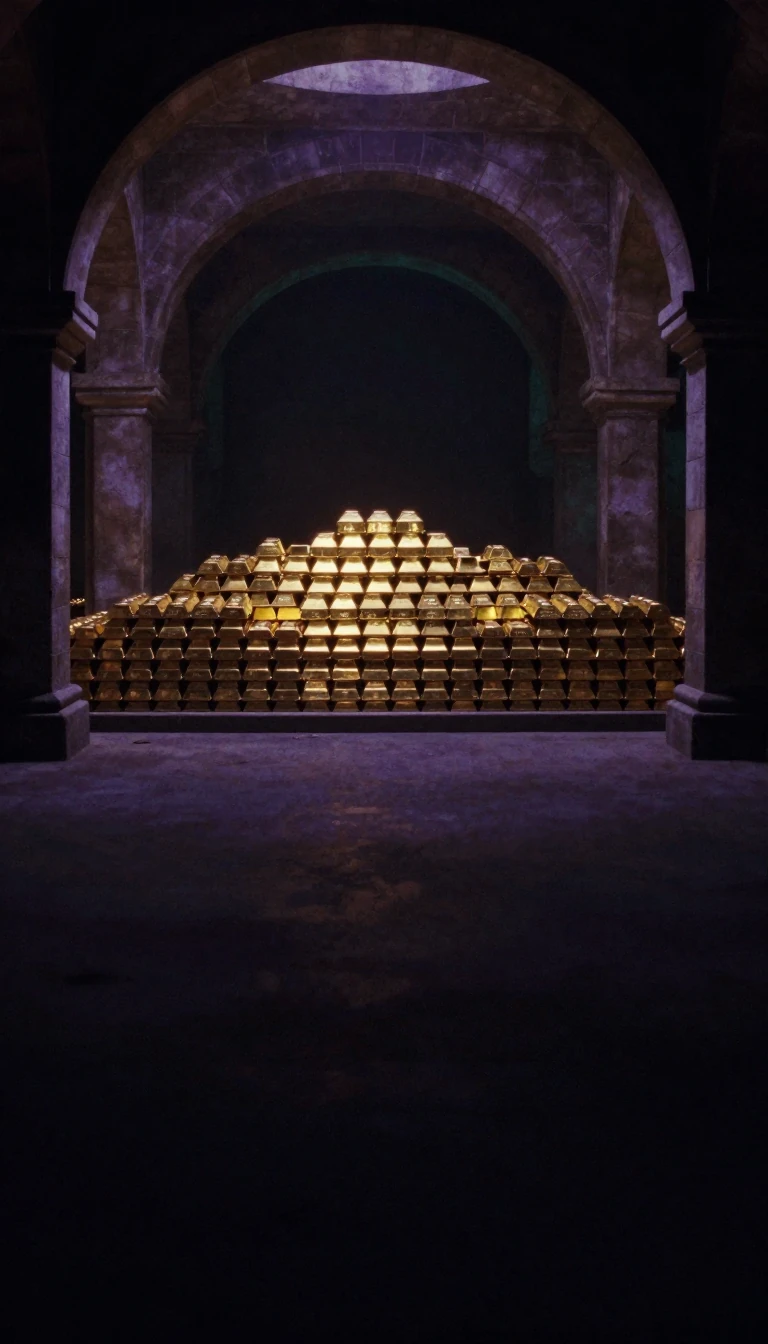
In short: In July 1944, delegates from 44 nations gathered at the Mount Washington Hotel to prevent a repeat of the economic chaos that fueled World War II. Their ambitious plan created the International Monetary Fund and the World Bank, establishing a new financial order that still shapes global trade and development today.
The Bretton Woods Conference, formally the United Nations Monetary and Financial Conference, was driven by the urgent need to avoid the catastrophic economic instability of the interwar period. Memories of the 1920s German hyperinflation—where prices rose 41 percent daily and the currency collapsed—loomed large. Policymakers feared that such turmoil, which had contributed to the rise of Nazism, could easily recur without a structured system for international cooperation.
The intellectual foundation for the conference emerged from competing visions developed by Harry Dexter White of the U.S. Treasury and John Maynard Keynes of the British Treasury. Following a preliminary meeting in Atlantic City in June 1944, the main event convened on July 1, 1944. The resulting agreements aimed to replace the chaotic trade wars and competitive devaluations of the past with a stable, rules-based framework.
Central to this new order was the IMF, which maintained fixed exchange rates pegged to gold and the U.S. dollar. Simultaneously, the IBRD—which evolved into the World Bank—was tasked with financing the reconstruction of war-torn nations and supporting economic development. While the original fixed-rate system ended when President Richard Nixon decoupled the dollar from gold in 1971, the institutions born in New Hampshire remain pillars of the global economy, now overseeing vast networks of member nations and staff.
The legacy of Bretton Woods is not merely historical; it represents a deliberate shift toward multilateral economic management. By linking voting power to capital contributions and establishing mechanisms for exchange rate adjustments, the architects sought to balance national policy autonomy with global stability. Today, the World Bank functions as a complex family of five distinct organizations, continuing the mission of infrastructure development and financial assistance that began in the aftermath of the Second World War.
Opens the Intellect+ feed with this card first. Swipe up for the next one.
Sources
- Summary by Intellect · source: Research Guides: This Month in Business History: Bretton Woods Conference & the Birth of the IMF and World Bank
- Also: Bretton Woods Conference
To cite this card, link to https://intellectplus.co.uk/app/wealth-bretton-woods-conference.
How we source, check and correct cards: Editorial standards.
General information, not professional advice. Spotted an error? Flag the card or see corrections and complaints.
Intellect Plus is a visual educational discovery platform for exploring fascinating facts and ideas. Brain Food, Not Brain Rot. What is Intellect Plus?
Related
More in Business and economics · More in Wealth & Business · Latest · A–Z · All topics
