 Intellect Plus
Business and economics
547 cards. Each one is a 40-second story with a five-minute read behind it.
 The Canadian loonie was born from a lost shipment and a heistThe iconic Canadian loonie wasn't always the bird-adorned coin we know today. Its design was actually the result of a logistical blunder where master dies were lost in transit—pos…
 Pakistan's most expensive film broke records despite a multi-year legal battleThe Legend of Maula Jatt wasn't just a cinematic milestone; it was a high-stakes gamble on cultural heritage. Despite a grueling copyright dispute and a massive $4.6 million budge…
 How a single game turned a $2.6 million loss into profitThe trajectory of Core Design illustrates the volatile intersection of creative talent and corporate scale. By developing a single iconic franchise, a small British studio transfo…
 Nigeria's refinery is set to become the largest on EarthBy 2029, the Dangote Refinery in Nigeria is projected to surpass the world's current largest refinery in capacity. This massive industrial feat involves a complexity index that ex…
 How a single card feeds millions and fights systemic corruptionIn India, a ration card is more than a piece of paper; it is a vital lifeline for food security and a sophisticated tool for economic governance. By linking these cards to biometr…
 The hidden price of 'free' is always paid by someone elseIn economics, a free lunch is a myth. Whether it is a salty snack in a saloon or a complex algorithm in machine learning, every gain requires a trade-off. To understand why, you h…
- The first time a nuclear submarine sank a warship in actionOn May 2, 1982, the ARA General Belgrano was struck by a torpedo from the HMS Conqueror. This event marked a chilling milestone in naval warfare: the first time a nuclear submarin…
- Why India is building its own global payment railsFor years, 90% of India's domestic payments were routed through switches located outside the country. To fix this, India created RuPay—a domestic payment network designed to cut c…
 Mauritania: A nation where slavery persists as a 'vestige' of historyMauritania was the last country on Earth to officially abolish slavery in 1981. Yet, despite legal bans, the practice remains a deeply rooted reality. From domestic servitude to s…
 The chemical dye that sparked a decade of hyperactivity rumorsFrom neon-yellow snacks to life-saving medications, tartrazine is one of the world's most pervasive synthetic dyes. Yet, its journey from a 19th-century laboratory to a global reg…
 The hidden history of Native American slavery before European contactLong before European ships arrived, many Native American tribes practiced complex systems of slavery. These traditions were not mere echoes of later colonial practices but distinc…
 From electric rifles to cloud ecosystems: the evolution of Axon EnterpriseWhat began as a NASA researcher's attempt to replace firearms with non-lethal electric weapons has transformed into a massive digital surveillance empire. Today, the company once …
 The massive financial engines that power global retirement securityPension funds are among the world's most significant institutional investors, managing trillions of dollars to secure future incomes. They don't just sit in bank accounts; they ac…
 How the 1979 UK election ended Labour rule and launched the Thatcher eraThe 1979 general election was a seismic shift in British politics, triggered by a rare no-confidence vote. It saw Margaret Thatcher become Europe's first female head of government…
- How a pharmaceutical giant balances massive innovation with aggressive legal and tax strategiesAbbVie, a global pharmaceutical powerhouse, commands a massive portfolio of life-altering treatments, from Humira to Botox. Yet, its rise is marked by a complex web of high-stakes…
 How the masters of mathematical risk turned ancient uncertainty into a predictable science.Actuaries are the architects of financial security, using advanced probability to measure risks ranging from death to property loss. While their roots trace back to 17th-century m…
 How a Shanghai insurance startup became a titan of the Asia-Pacific financial landscapeBorn in 1919 from a small Shanghai office, AIA Group evolved from a local agency into a massive multinational insurer. After surviving wars, geopolitical shifts, and a near-collap…
 The big-box store is a architectural and economic machine built for high-volume efficiency.Named for their boxy, utilitarian silhouettes, big-box stores transformed global retail by prioritizing high-volume, low-margin sales. These sprawling, concrete-slab structures ar…
 Why thousands of bears spend decades in cages to produce a single digestive fluidBear bile farming persists as a controversial industry, keeping thousands of animals in restrictive cages to harvest a substance prized in traditional medicine. While synthetic al…
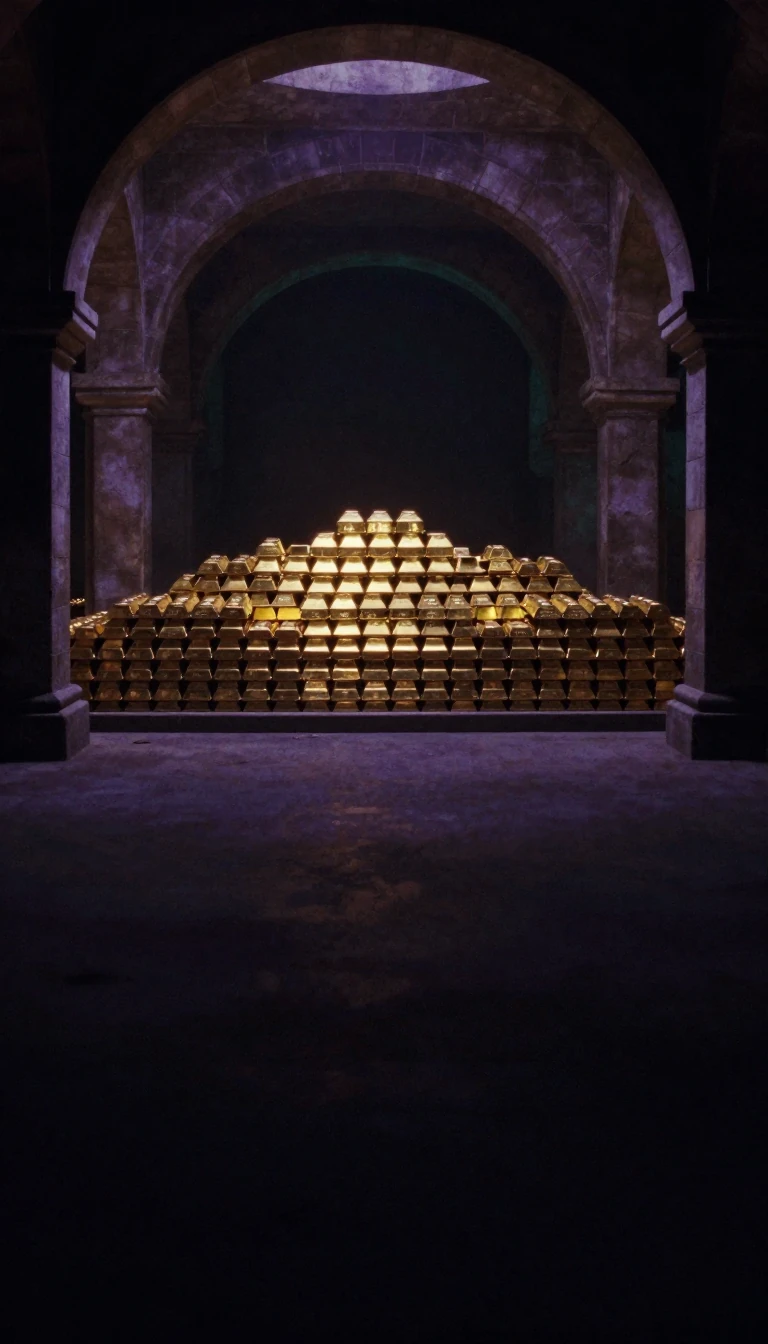 How 44 Nations Redesigned the Global Economy at a Remote New Hampshire HotelIn July 1944, delegates from 44 nations gathered at the Mount Washington Hotel to prevent a repeat of the economic chaos that fueled World War II. Their ambitious plan created the…
 Why correlation is not causation and how scientists attempt to prove the differenceCausal inference is the rigorous process of determining whether one phenomenon actually triggers another, rather than merely moving in tandem. While correlation is often mistaken …
- How a century-old real estate firm became the world's largest property services giantTracing its roots to a 1906 partnership, CBRE Group has evolved from a local agency into a global powerhouse. Today, it manages everything from office leases to critical data cent…
 Could government-issued digital money replace your bank account and reshape the global economy?Central bank digital currencies are government-backed digital assets designed to modernize payments and boost financial inclusion. While they promise increased efficiency and dire…
 The Black Card: How a Mythical Status Symbol Became a Real Financial ToolThe American Express Centurion Card, or Black Card, began as a rumor about an ultra-exclusive membership. American Express eventually turned the urban legend into a reality, creat…
- Was the cleansing of the Temple a violent riot or a symbolic prophetic act?The image of Jesus overturning tables and wielding a whip is a staple of Christian art, yet scholars debate whether this was a literal physical expulsion or a dramatic, non-violen…
 Can a small group of thinkers predict the collapse of the global economy?Founded in 1968, the Club of Rome brought together intellectuals to address the interconnected crises of humanity. Their 1972 report, The Limits to Growth, became a global phenome…
 From baby formula to child labor, Nestlé’s global expansion has sparked decades of intense scrutiny.As the world's largest food company, Nestlé has faced persistent allegations ranging from deceptive marketing and forced labor to environmental exploitation. While the company mai…
 Why capitalism must constantly destroy what it builds to survive and growCreative destruction is the engine of capitalism, a relentless process where innovation renders the old obsolete. While it drives progress and economic growth, it also forces the …
- Why the video game industry relies on extreme, often unpaid, overtime to hit deadlines.Crunch culture is the industry-wide practice of forcing developers into extreme, often unpaid, overtime to meet release dates. While marketed as a creative pursuit, the reality fo…
- How a failed first franchise attempt built a thousand-location restaurant empireCulver's began with a disastrous licensing experiment that cost the founders nothing but a lesson. By abandoning loose agreements for rigorous standards, the family-run business e…
 Why the historical nightmare of debtors' prisons never truly vanished from the modern worldFor centuries, failing to pay a debt meant losing your freedom. While the classic debtors' prison—a place to work off financial obligations—is largely obsolete, modern legal syste…
- Why decision trees remain the most intuitive way to teach computers how to thinkDecision tree learning is a cornerstone of machine learning, prized for its transparency. By mapping complex data into simple, branching paths, these models allow anyone to visual…
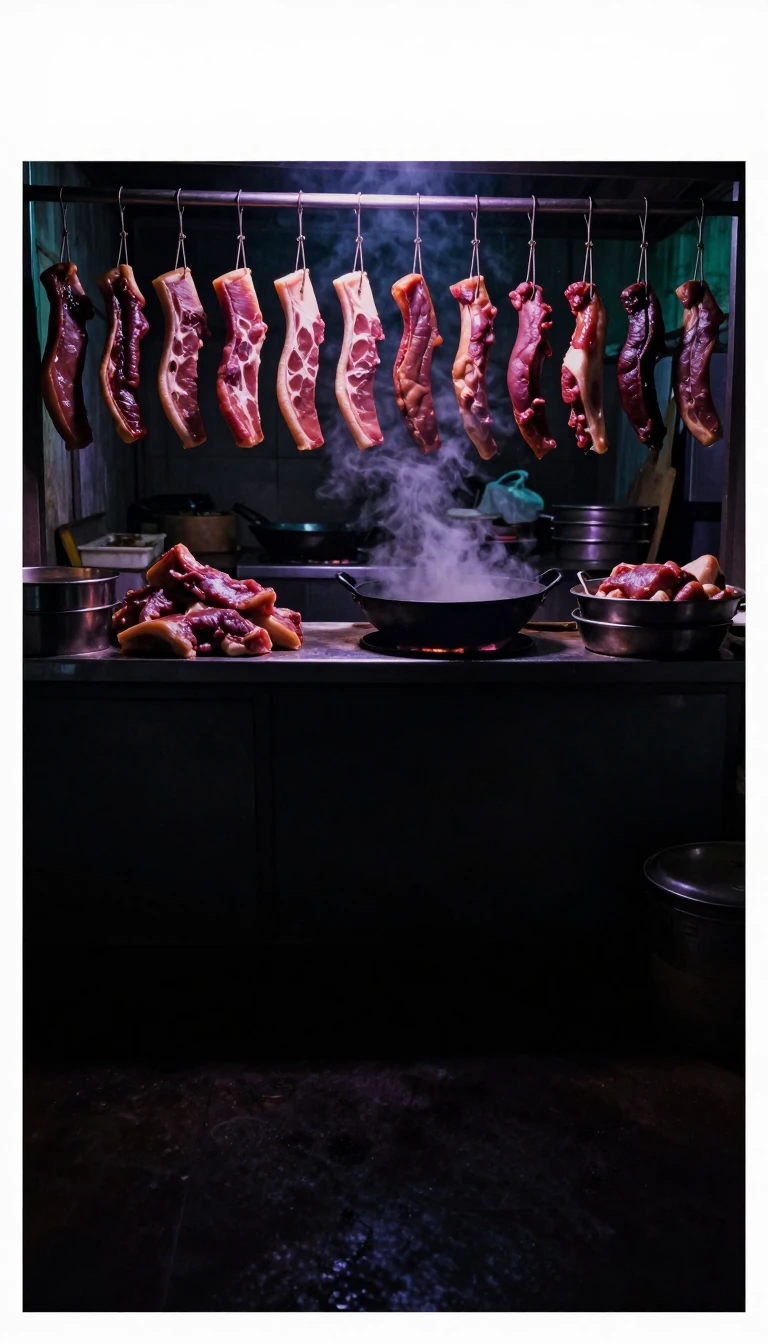 The Yulin Dog Meat Festival was created by traders, not by ancient tradition.Contrary to popular belief, the Yulin Dog Meat Festival is not a deep-rooted cultural custom. Launched in 2009 by dog traders to boost profits, this modern invention has sparked i…
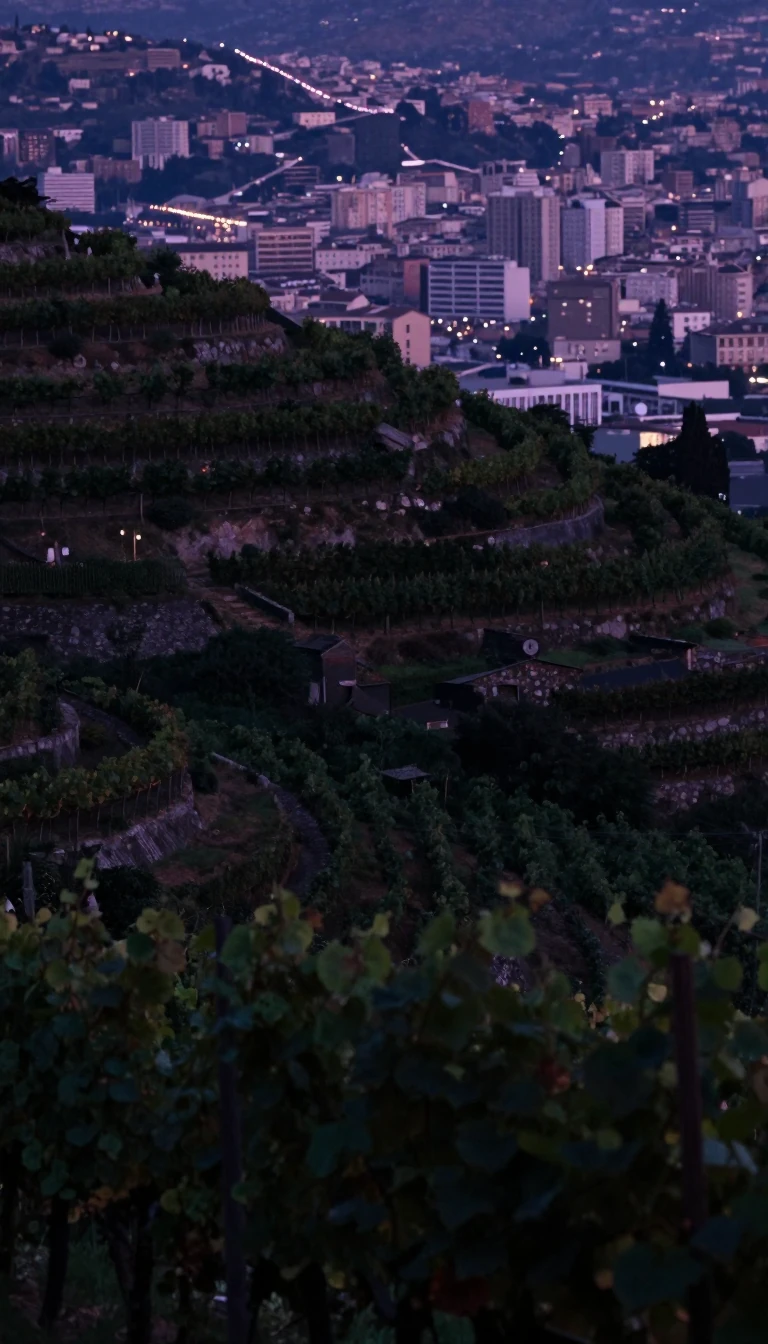 How a remote island nation transformed from an offshore farm into a modern economy.New Zealand once enjoyed one of the world's highest standards of living by acting as a distant farm for the United Kingdom. When that preferential trade vanished, the nation was f…
 How a nation with few natural resources became a global economic powerhouseThe Netherlands lacks vast mineral wealth, yet it transformed from a small maritime republic into a central pillar of European trade. By mastering logistics, high-tech agriculture…
- How the United Arab Emirates is engineering a future beyond its oil reservesThe United Arab Emirates is aggressively pivoting from a hydrocarbon-reliant economy to a diversified global hub. By leveraging massive infrastructure investments, free zones, and…
 How a century-old credit bureau became the gatekeeper of your financial identityEquifax holds data on over 800 million people, acting as a silent arbiter of your financial life. Yet, its history is marked by persistent security failures, controversial data pr…
- How a clever arbitrage mechanism turned exchange-traded funds into a global financial juggernautExchange-traded funds have transformed modern investing by blending the diversification of mutual funds with the liquidity of individual stocks. By allowing shares to be traded co…
 Beyond credit scores: how Experian tracks your life and shapes political campaignsExperian is one of the world's largest data brokers, moving far beyond simple credit reporting. From segmenting voters into hyper-specific categories to managing massive data brea…
 Why do global financial hubs like New York and London dominate the world economy?Financial centres are more than just office buildings; they are high-stakes ecosystems where capital, legal expertise, and talent converge. While newer cities compete for influenc…
 Is force-feeding a medical necessity or a brutal instrument of state control?Force-feeding, or gavage, involves delivering nutrients via tubes against a subject's will. While used in neonatal care, its application in prisons and psychiatric settings remain…
 How foundries turn scrap metal into precision parts through the art of liquid casting.Foundries are the unsung engines of modern manufacturing, transforming millions of tons of scrap metal into complex, durable goods. By melting raw materials into liquid and pourin…
- Why banks keep only a fraction of your deposits and how money is created.Banks do not lock your money in a vault. Instead, they lend out most of what you deposit, keeping only a small reserve. This practice, known as fractional-reserve banking, actuall…
 What defines the ultra-wealthy, and why do they matter to the global economy?The ultra-high-net-worth individual is a tiny demographic—just 0.003% of the global population—yet they control a massive share of the world's wealth. From specialized banking uni…
- How a saddlery business became the symbol of the Australian way of lifeFounded in 1856 as a humble Adelaide saddlery, Holden evolved into an automotive titan that defined Australian culture for decades. From the iconic 48-215 to the beloved ute, the …
 How Hungary erased 29 zeroes to save its economy from total collapseIn 1946, Hungary faced the most extreme hyperinflation in history, rendering its currency, the pengő, essentially worthless. To stabilize the nation, authorities launched the fori…
 Incoterms are the invisible rules that define who pays when global cargo goes missing.Shipping goods internationally is a logistical minefield. Incoterms, or international commercial terms, act as a shorthand system to allocate risks, costs, and responsibilities be…
 How a small Chicago cheese delivery business became a global food and beverage empireWhat began in 1903 as a local cheese delivery route in Chicago evolved into a massive, multi-national conglomerate. Through strategic acquisitions, corporate spin-offs, and high-s…
 The Swiss chocolate giant Lindt has spent decades fighting to protect its golden bunny.Beyond its famous truffles and massive chocolate fountains, Lindt & Sprüngli is a global powerhouse defined by aggressive legal battles over its intellectual property. From protec…
- Liquidation is more than just closing shop; it is a complex legal dissolution process.When a company reaches the end of its life, it enters liquidation—a formal process to distribute assets to claimants. Whether forced by a court or initiated by shareholders, this …
- Why the U.S. federal minimum wage has lost nearly half its real-world valueThe federal minimum wage has been stuck at $7.25 per hour since 2009, yet its purchasing power peaked decades ago in 1968. While local and state governments increasingly set their…
- Mobile payments are transforming global finance by bypassing traditional banking for the unbanked population.Mobile payments do more than replace physical wallets; they act as a vital bridge for the world's unbanked. By leveraging mobile networks, these systems offer secure, rapid transa…
- How a Dutch trust from 1773 evolved into a global retirement powerhouseA mutual fund is more than a simple investment pool; it is a complex financial structure designed to democratize market access. From its origins in the Dutch Republic to its domin…
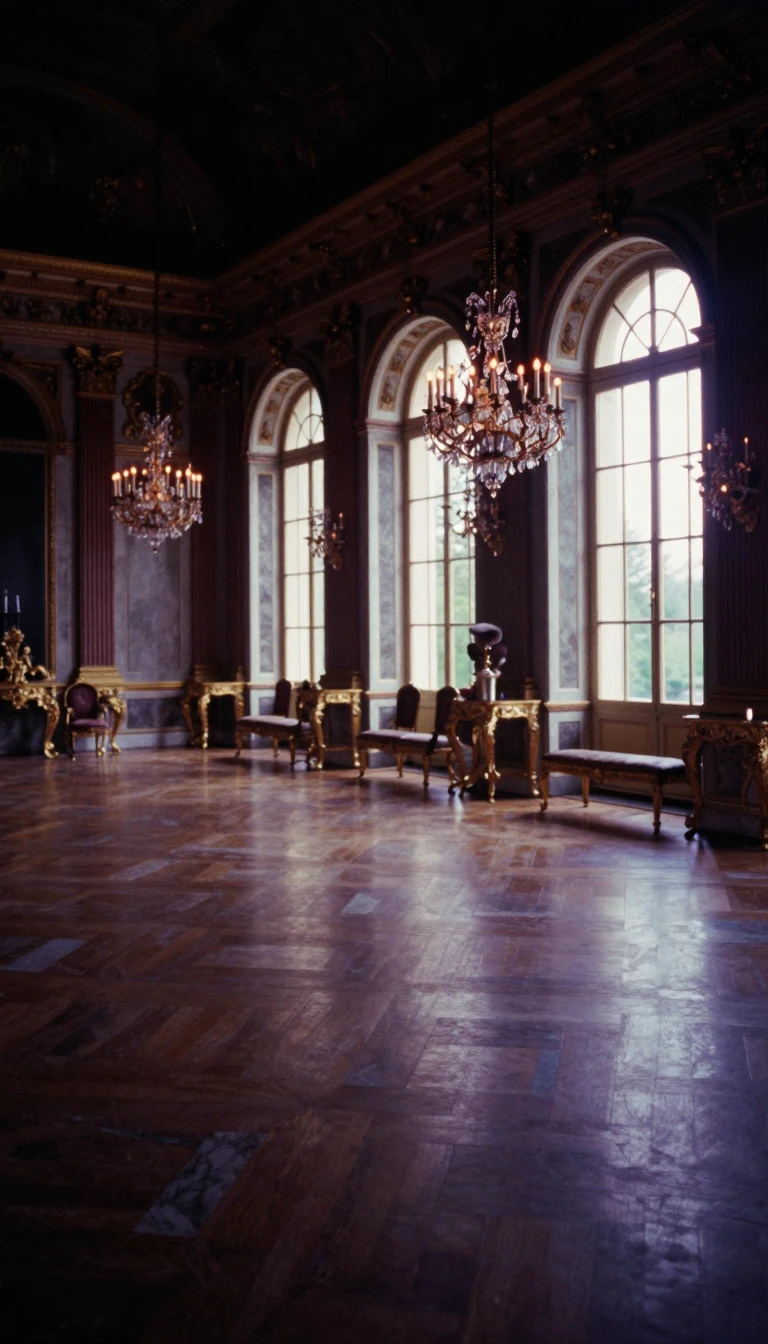 How a royal palace became the birthplace of modern consumer culture in ParisOriginally a cardinal's private residence, the Palais-Royal transformed into an 18th-century commercial powerhouse. By enclosing its gardens with luxury arcades, it created a safe…
- Why the pink-collar workforce remains a blind spot for modern government economic planningPink-collar jobs—clerical, service, and caregiving roles—are among the most common occupations globally. Yet, these female-dominated fields are frequently undervalued and overlook…
- Is the European Council President a powerful strategist or merely a high-level administrator?Before 2009, the European Council was led by a rotating chair who juggled national duties with EU responsibilities. The Treaty of Lisbon replaced this with a full-time, permanent …
- Why do some price hikes destroy sales while others barely move the needle?Price elasticity of demand measures how sensitive consumers are to price changes. When a small price increase triggers a massive drop in demand, the good is elastic. If customers …
- Why do prices almost always end in nine, and does it actually fool you?Retailers have long used just-below pricing, like $19.99, to influence your perception of value. While some argue this exploits a subconscious left-digit bias, others suggest it o…
- When interest rates hit zero, central banks turn to quantitative easing to spark growth.When traditional tools like interest rate cuts fail to revive a stagnant economy, central banks deploy quantitative easing. By purchasing massive quantities of government bonds an…
 Why the world's most frustrating bureaucracy is named after a 16th-century Spanish ribbonRed tape is more than a metaphor for sluggish government. It is a specific, measurable tax on productivity that stifles innovation and growth. From the administrative dossiers of …