From medieval guilds to industrial giants, the butcher's trade has fundamentally reshaped our diet.
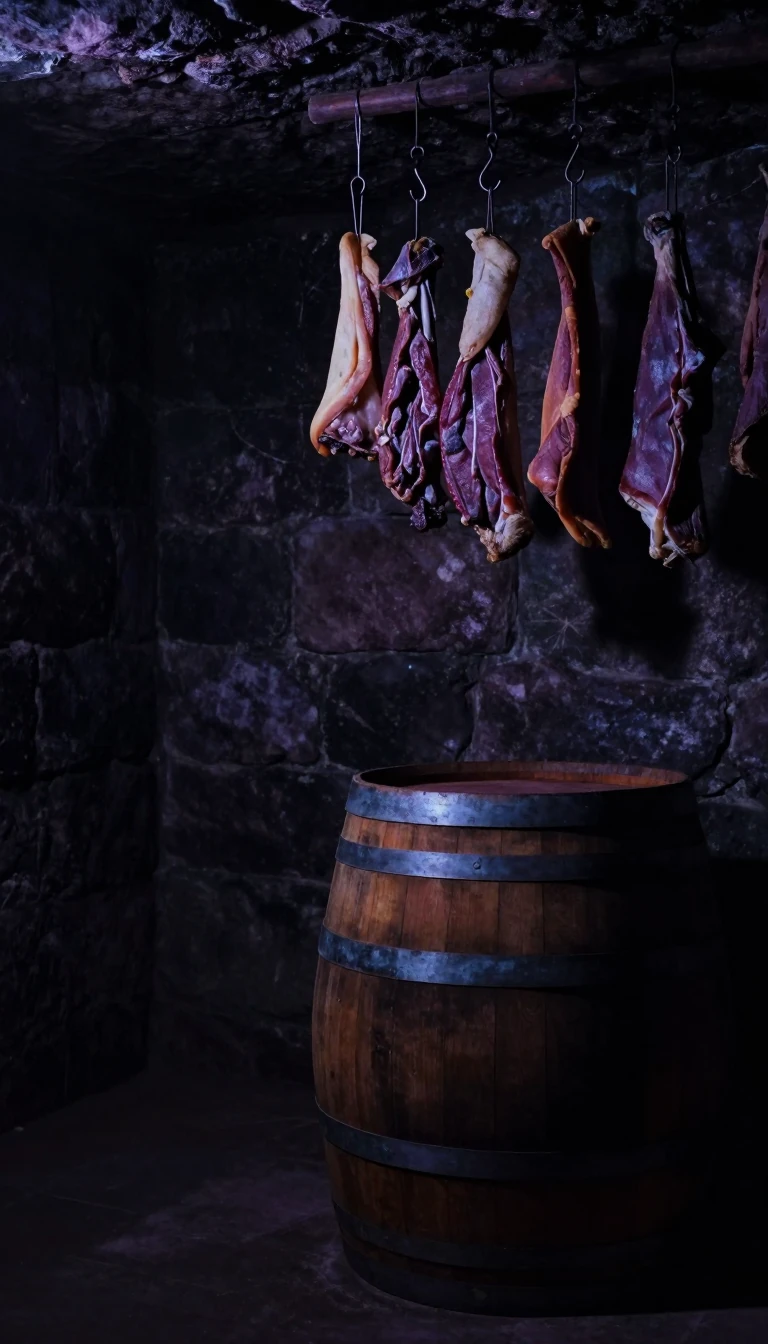
In short: Butchery was once a visible, regulated public trade, deeply embedded in the fabric of medieval urban life. Today, industrialization has pushed slaughter behind closed doors, replacing the local artisan with mass-produced, case-ready meat. Understanding this shift reveals how we lost our connection to the source of our protein.
Butchery is an ancient profession, with organized guilds appearing in England as early as 1272. In medieval towns, these guilds were central to economic life, operating under strict regulations to ensure meat quality and fair pricing. Despite these efforts, the trade was often associated with public health concerns, as butchers were frequently penalized for disposing of waste in public spaces, which authorities linked to disease and foul odors.
The nineteenth century marked a definitive turning point. Industrialization shifted slaughterhouses to designated facilities far from public view, creating a rift between the consumer and the butchering process. This transition fostered the modern meat industry, where efficiency and sanitation are prioritized. Today, in countries like the United States, the traditional butcher shop is increasingly rare, overshadowed by supermarkets and warehouse clubs that favor centralized processing and 'case-ready' packaging.
Modern butchery is split into primary and secondary stages. Primary butchery involves breaking down carcasses, while secondary butchery focuses on preparing specific cuts for sale. While Western markets often emphasize specific muscle cuts, other regions, particularly in Asia, practice 'nose-to-tail' butchery, utilizing parts like tripe and tendons. Techniques also vary; for instance, 'blooming' is used in supermarkets to oxidize myoglobin, giving meat a bright red color that consumers associate with freshness.
The term 'butcher' has also evolved beyond its trade roots. Historically, it has been applied as a pejorative for those who act with extreme cruelty, such as the Roman general Pompey, nicknamed 'The Teenage Butcher,' or the war criminal Ratko Mladić. In sports, it can even serve as a metaphor for aggressive play, as seen with the footballer Andoni Goikoetxea. Regardless of the context, the trade remains a vital, if often hidden, pillar of global food systems.
Opens the Intellect+ feed with this card first. Swipe up for the next one.
Sources
- Summary by Intellect · source: Butcher
To cite this card, link to https://intellectplus.co.uk/app/wealth-butcher.
How we source, check and correct cards: Editorial standards.
General information, not professional advice. Spotted an error? Flag the card or see corrections and complaints.
Intellect Plus is a visual educational discovery platform for exploring fascinating facts and ideas. Brain Food, Not Brain Rot. What is Intellect Plus?
Related
More in Business and economics · More in Wealth & Business · Latest · A–Z · All topics
