Why the market treats a bar of gold and a bushel of wheat as identical.
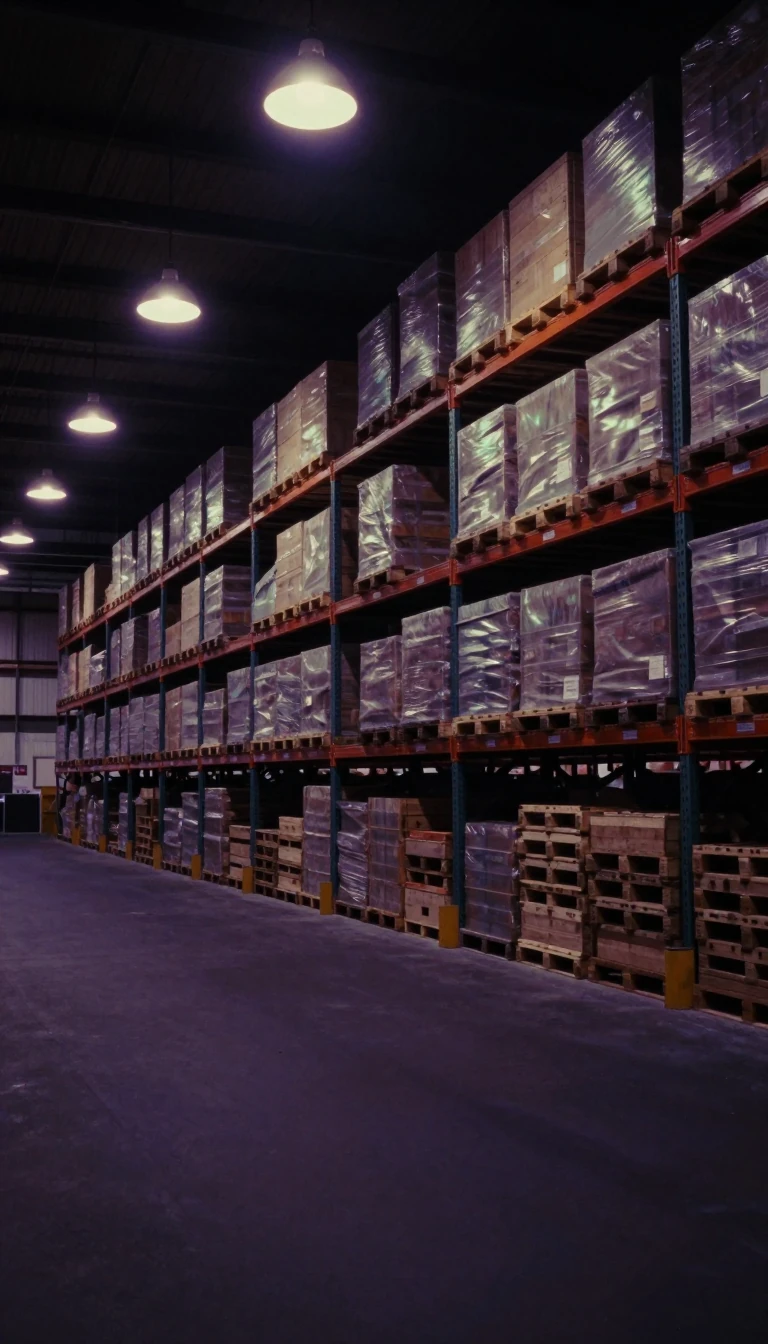
In short: In economics, a commodity is a good defined by its fungibility: the market views every unit as equivalent, regardless of who produced it. From crude oil to computer memory, these goods move in cycles, driven by global industrial shifts and the relentless pursuit of price efficiency over brand identity.
At its core, a commodity is an economic good where the market ignores the producer, treating all instances as interchangeable. This fungibility is the defining trait that separates commodities from differentiated products like stereo systems, where brand, interface, and perceived quality dictate value. While the term traces back to the Latin commoditas, meaning convenience or advantage, its modern economic usage focuses on raw materials, mining products, and mass-produced items like chemicals or DRAM chips. Even electricity, which is notoriously difficult to store and must be consumed upon production, is treated as a commodity, though some markets now allow consumers to pay a premium for specific generation methods like wind or solar.
The process of commoditization occurs when a market loses differentiation, often as intellectual capital spreads and production becomes efficient. Once-premium goods, such as generic pharmaceuticals or multivitamins, eventually reach a state where brand names offer little value, and price becomes the primary driver. However, this is a spectrum rather than a binary state. A consumer’s personal values—such as a preference for organic eggs or recycled paper—can reintroduce differentiation into what the market otherwise treats as a uniform, fungible good.
Karl Marx famously analyzed commodities through the lens of labour, distinguishing between 'use value' and 'exchange value.' He argued that while an object must be useful to be wanted, it requires exchange value to function in a market. Marx proposed that the value of a commodity is rooted in 'socially necessary labour time'—the average time required to produce it—rather than the specific effort of an individual worker. Today, commodity markets are driven by supply and demand, often experiencing 'super cycles' that last roughly a decade. These cycles, such as the one triggered by China joining the World Trade Organization in 2000, reflect massive industrial shifts that demand vast resources, causing prices to trade above their long-term averages until the cycle eventually peaks and recedes.
Opens the Intellect+ feed with this card first. Swipe up for the next one.
Sources
- Summary by Intellect · source: Commodity
To cite this card, link to https://intellectplus.co.uk/app/wealth-commodity.
How we source, check and correct cards: Editorial standards.
General information, not professional advice. Spotted an error? Flag the card or see corrections and complaints.
Intellect Plus is a visual educational discovery platform for exploring fascinating facts and ideas. Brain Food, Not Brain Rot. What is Intellect Plus?
Related
More in Business and economics · More in Wealth & Business · Latest · A–Z · All topics
