How the fast fashion machine turned a biannual cycle into a weekly race
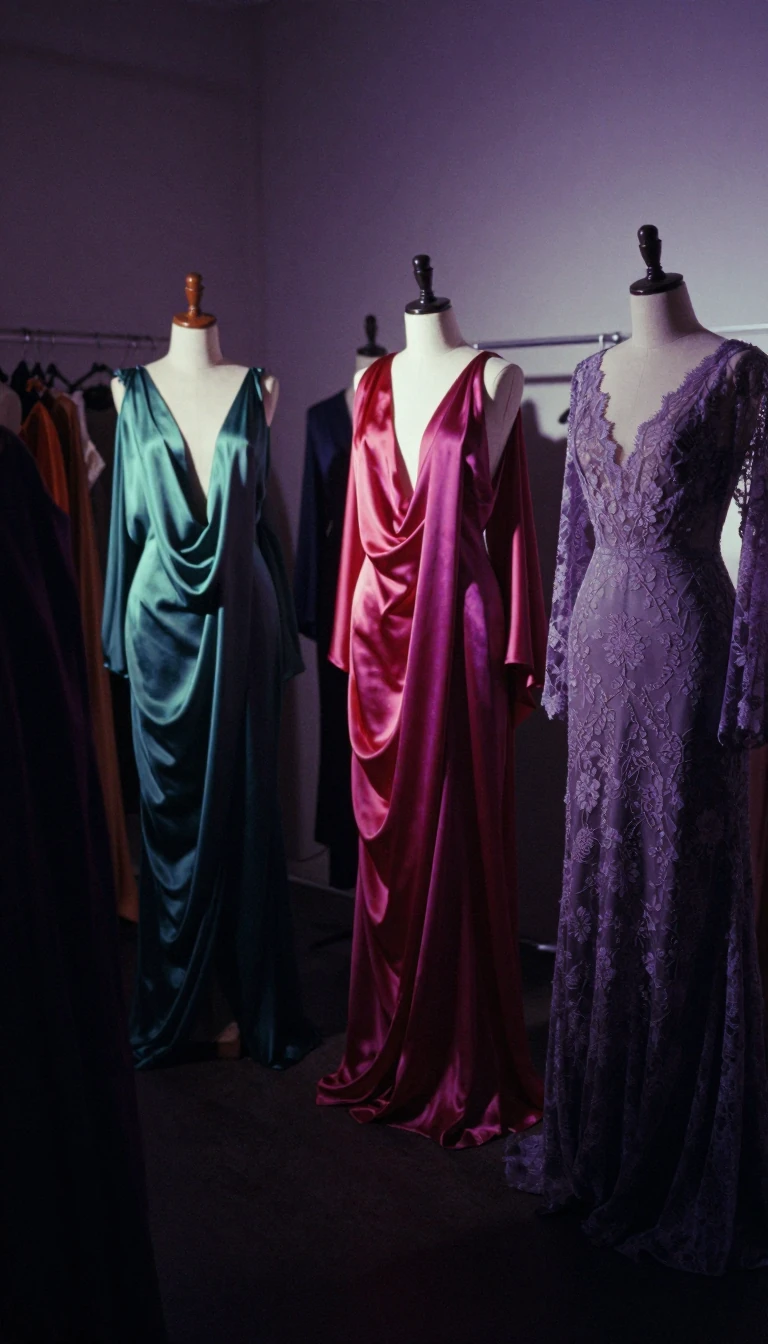
In short: Modern fashion has shifted from a predictable four-season cycle to a relentless, high-speed engine. By prioritizing rapid design and low-cost production, brands now deliver new styles to shelves in mere days. This model has democratized trends but created a massive environmental and human cost that is difficult to ignore.
The origins of this shift trace back to the Industrial Revolution, which replaced skilled craft with mechanized production. However, the true acceleration occurred in the late 20th century. Zara, founded in 1975 in Spain, is frequently credited with breaking the traditional biannual fashion cycle. By tracking consumer demand and adapting to trends in real-time, the company moved garments from design to store shelves in as little as 15 days. Today, some brands generate up to 36 collections annually, and platforms like Shein have pushed turnaround times to as few as 10 days.
This speed relies on a complex global supply chain that often exploits workers in the Global South. Laborers frequently endure 16-hour days, low wages, and unsafe conditions in factories with little oversight. The 2013 Rana Plaza tragedy in Bangladesh, where a building collapse killed some 1,100 people, remains the most infamous example of these systemic risks. Because supply chains are so opaque, retailers are often disconnected from the harsh realities of the production environments that sustain their low prices.
The environmental toll is equally severe. The industry is responsible for 10 percent of global carbon emissions and massive water consumption. Because fast fashion favors cheap, fossil-fuel-derived synthetic fibers like polyester and nylon, garments are often non-biodegradable and prone to shedding microplastics. This encourages a culture of disposability, where items are discarded after only a few wears. As a result, millions of tonnes of textile waste end up in landfills annually, including sites like Chile's Atacama Desert, creating a long-term ecological burden that persists for centuries.
Opens the Intellect+ feed with this card first. Swipe up for the next one.
Sources
- Summary by Intellect · source: Fast fashion | Brands, Environmental Impact, Definition, Companies, History, & Facts | Britannica
- Also: Fast fashion
To cite this card, link to https://intellectplus.co.uk/app/wealth-fast-fashion.
How we source, check and correct cards: Editorial standards.
General information, not professional advice. Spotted an error? Flag the card or see corrections and complaints.
Intellect Plus is a visual educational discovery platform for exploring fascinating facts and ideas. Brain Food, Not Brain Rot. What is Intellect Plus?
Related
More in Business and economics · More in Wealth & Business · Latest · A–Z · All topics
