The heiress who traded socialite status for sculptor's tools
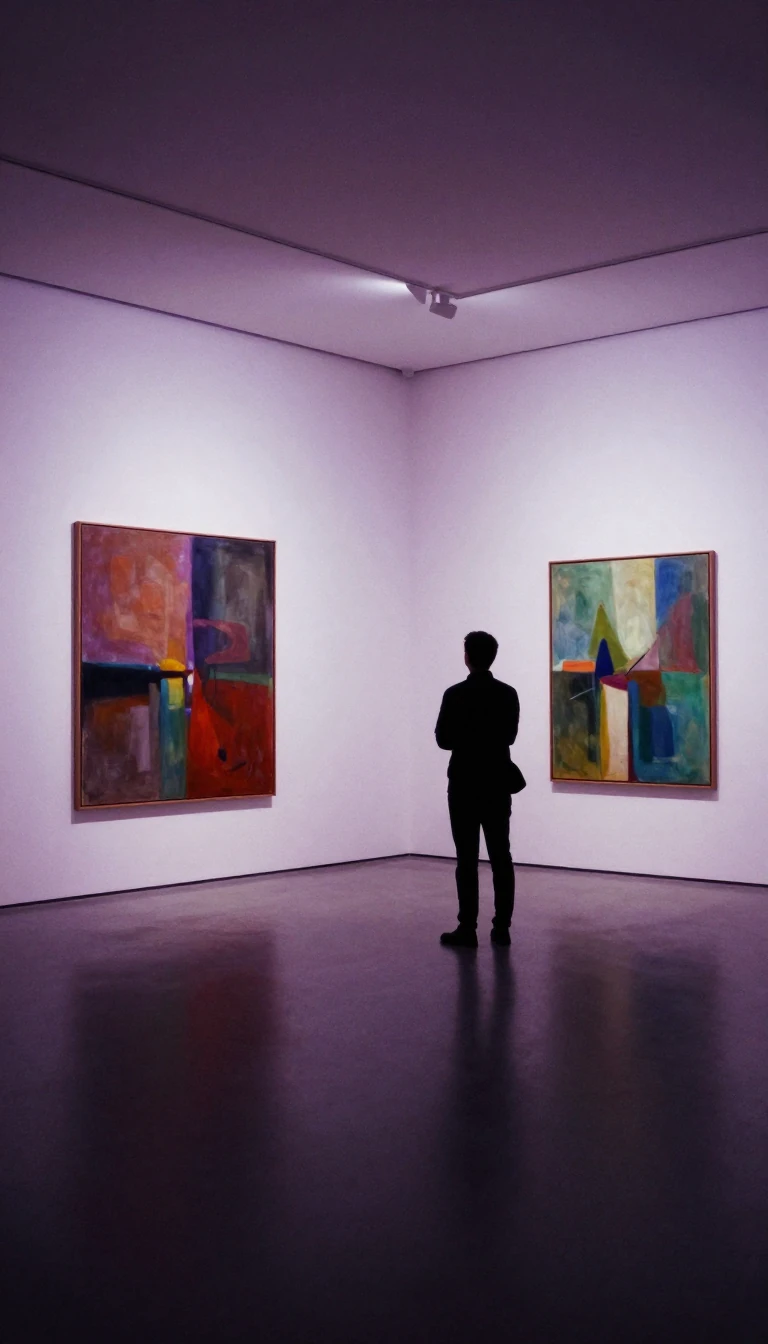
In short: Born into the Vanderbilt dynasty, Gertrude Whitney faced a unique dilemma: her wealth made it nearly impossible to be taken seriously as an artist. Critics feared she was undercutting the market, while her peers viewed her as a mere socialite. She chose to fight this stigma by building an entire infrastructure for modern art.
Despite her immense privilege, Whitney struggled with the perception of her work. She initially operated under a pseudonym because she feared being dismissed as a wealthy hobbyist. Even after marriage, her husband offered no support for her professional ambitions, viewing her passion for sculpture as a mere annoyance. This tension created a 'lose-lose' situation: if she took commissions, she was accused of exploiting the needy; if she didn't, she was blamed for depressing the market with her own resources.
Whitney broke through these barriers by establishing physical spaces for artistic growth. In 1908, she opened a gallery in Greenwich Village, and by 1914, she founded the Whitney Studio Club. This wasn't just an exhibition space; it was a comprehensive support system that provided housing and stipends for young artists to live and work both at home and abroad. She also became a vital financial backbone for the arts, financing The Arts magazine in 1922 and backing the International Composer's Guild.
Her most ambitious move came in 1931 after the Metropolitan Museum of Art rejected her offer to house her collection of nearly 700 American modern works. Rather than yielding, she used her own funds to renovate a studio into the Whitney Museum of American Art. Her goal was to shift the narrative of American art away from rural tropes toward a bold embrace of modernism. By the time of her death in 1942, her legacy was cemented not just by her monumental sculptures, but by the institutions she built to ensure other artists could thrive.
Her artistic evolution was deeply tied to her experiences during World War I. While managing a hospital for wounded soldiers in France, she moved away from her previous style toward a more realistic depiction of war. These observations inspired some of her most significant commemorative works, including the Titanic Memorial—a project funded by a $50,000 prize she won in 1914.
Opens the Intellect+ feed with this card first. Swipe up for the next one.
Sources
- Summary by Intellect · source: Gertrude Vanderbilt Whitney
To cite this card, link to https://intellectplus.co.uk/app/wealth-gertrude-vanderbilt-whitney.
How we source, check and correct cards: Editorial standards.
General information, not professional advice. Spotted an error? Flag the card or see corrections and complaints.
Intellect Plus is a visual educational discovery platform for exploring fascinating facts and ideas. Brain Food, Not Brain Rot. What is Intellect Plus?
Related
More in Art history · More in Art · Latest · A–Z · All topics
