How a socialite turned a $2.5 million inheritance into a global modern art empire.
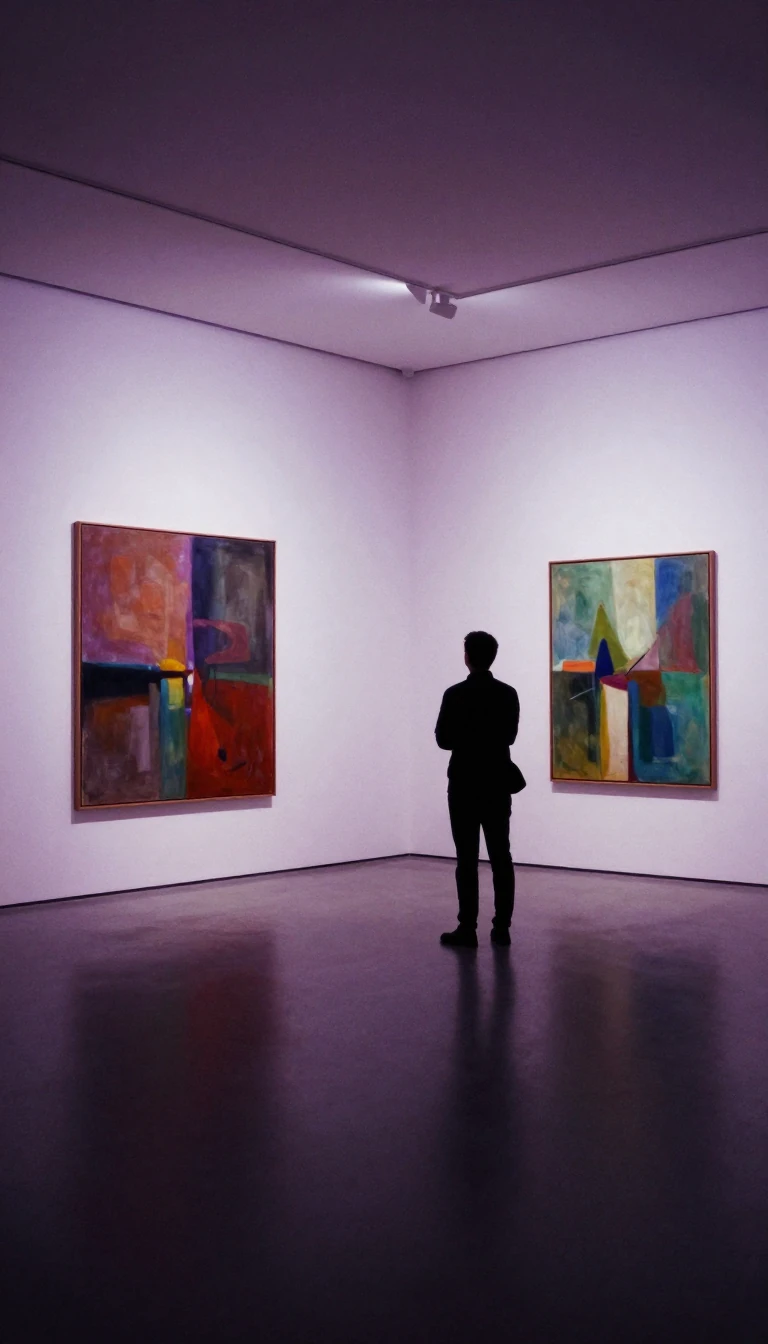
In short: Peggy Guggenheim was an unlikely titan of the avant-garde. After inheriting millions, she abandoned high-society expectations to become a relentless collector of Surrealist and abstract art. From her galleries in London and New York to her final home on Venice's Grand Canal, she redefined the role of the modern patron.
Born in 1898 to the wealthy Guggenheim family, Peggy Guggenheim inherited $2.5 million in 1919, a sum equivalent to $46.4 million in 2025. Despite her family's prominence, her inheritance was modest compared to her cousins, as her father, Benjamin Guggenheim, had not amassed a fortune comparable to his siblings. After working as a clerk in a Manhattan bookstore, she moved to Paris in 1920, where she immersed herself in the bohemian artistic community and formed lifelong friendships with figures like Marcel Duchamp, who later guided her entry into the art world.
In 1938, Guggenheim opened her first gallery, Guggenheim Jeune, in London. When the Second World War broke out, she pivoted from exhibiting to aggressive acquisition. Following advice from art historian Herbert Read, she committed to a regime of buying one painting a day, securing works by masters including Picasso, Ernst, Miró, and Dalí. By 1941, she had moved to New York, opening The Art of This Century gallery. This space functioned as both a commercial venue and a museum, famously hosting the 1943 'Exhibition by 31 Women,' the first all-women art show in the United States.
Guggenheim eventually settled in Venice, Italy, in 1949, establishing her collection in the Palazzo Venier dei Leoni on the Grand Canal. Her influence was instrumental in advancing the careers of artists such as Jackson Pollock and Max Ernst, the latter of whom she married in 1941. By the early 1960s, she shifted her focus from collecting to presenting her existing holdings. In 1976, she donated her home and collection to the Solomon R. Guggenheim Foundation, ensuring her legacy as one of the most significant curators of twentieth-century art before her death in 1979.
Opens the Intellect+ feed with this card first. Swipe up for the next one.
Sources
- Summary by Intellect · source: Peggy Guggenheim
To cite this card, link to https://intellectplus.co.uk/app/wealth-peggy-guggenheim.
How we source, check and correct cards: Editorial standards.
General information, not professional advice. Spotted an error? Flag the card or see corrections and complaints.
Intellect Plus is a visual educational discovery platform for exploring fascinating facts and ideas. Brain Food, Not Brain Rot. What is Intellect Plus?
Related
More in Art history · More in Art · Latest · A–Z · All topics
