France's Fifth Republic: A Hybrid System Designed to End Decades of Political Instability
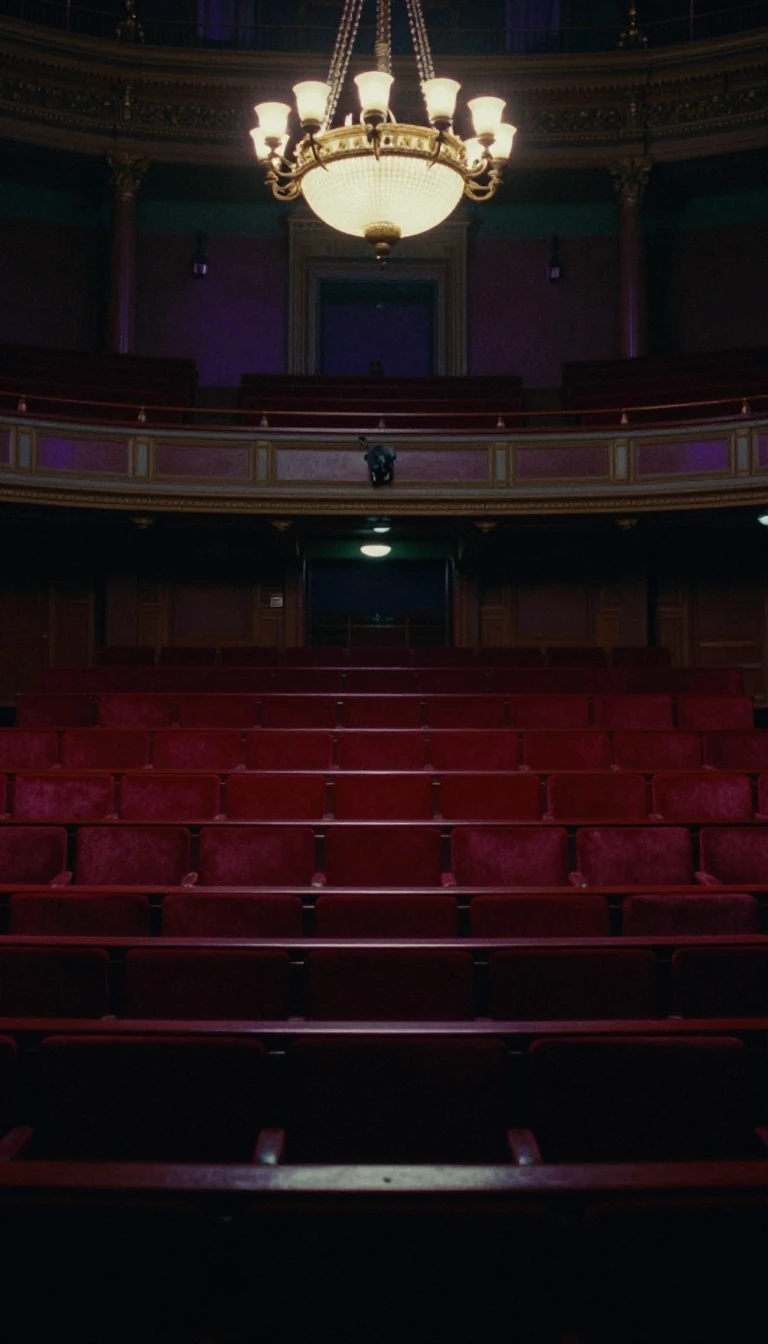
In short: Born from the turmoil of the 1958 Algerian crisis, France's Fifth Republic replaced a fragile parliamentary tradition with a unique semi-presidential structure. By balancing a powerful, directly elected president against a government responsible to the National Assembly, the system sought to secure lasting stability while redefining the reach of executive power.
The 1958 constitution, drafted by General Charles de Gaulle and Michel Debré, marked a decisive break from the Third and Fourth Republics. Unlike its predecessors, the new framework was created by a government working party rather than parliament, and it was ratified by a widespread popular referendum on September 28, 1958. This system introduced a dual executive: a president elected by universal suffrage and a prime minister who oversees the daily execution of legislation. The president holds significant authority, including the power to dissolve the National Assembly, appoint the prime minister, and, under Article 16, concentrate state powers during exceptional circumstances.
While Article 20 of the constitution charges the government with determining national policy, the early years of the Fifth Republic saw the presidency dominate, particularly under de Gaulle. He frequently took control of foreign, military, and institutional decisions, a pattern his successors initially followed. However, the stature of the prime minister has grown significantly since the mid-1970s, leading to a more collaborative working partnership. This evolution reflects the practical realities of French governance, where the president's influence is often tethered to the parliamentary strength of their supporting parties.
A defining feature of this hybrid model is the potential for 'cohabitation,' which first occurred in 1986. During these periods, the president and prime minister belong to opposing political factions, forcing a shift in power dynamics. Furthermore, the presidential term was reduced from seven years to five in 2000, with the change taking effect in 2002. Today, the Council of Ministers, chaired by the president at the Élysée Palace, remains the central organ for defining policy, ensuring that despite the inherent tensions of a semi-presidential system, the state maintains a cohesive, if complex, executive direction.
Opens the Intellect+ feed with this card first. Swipe up for the next one.
Sources
- Summary by Intellect · source: France - Politics, Regions, Culture | Britannica
- Also: Government of France
To cite this card, link to https://intellectplus.co.uk/app/wealth-government-of-france.
How we source, check and correct cards: Editorial standards.
General information, not professional advice. Spotted an error? Flag the card or see corrections and complaints.
Intellect Plus is a visual educational discovery platform for exploring fascinating facts and ideas. Brain Food, Not Brain Rot. What is Intellect Plus?
Related
More in Organizations · More in Wealth & Business · Latest · A–Z · All topics
