How a failed portrait of Abraham Lincoln launched a board game empire
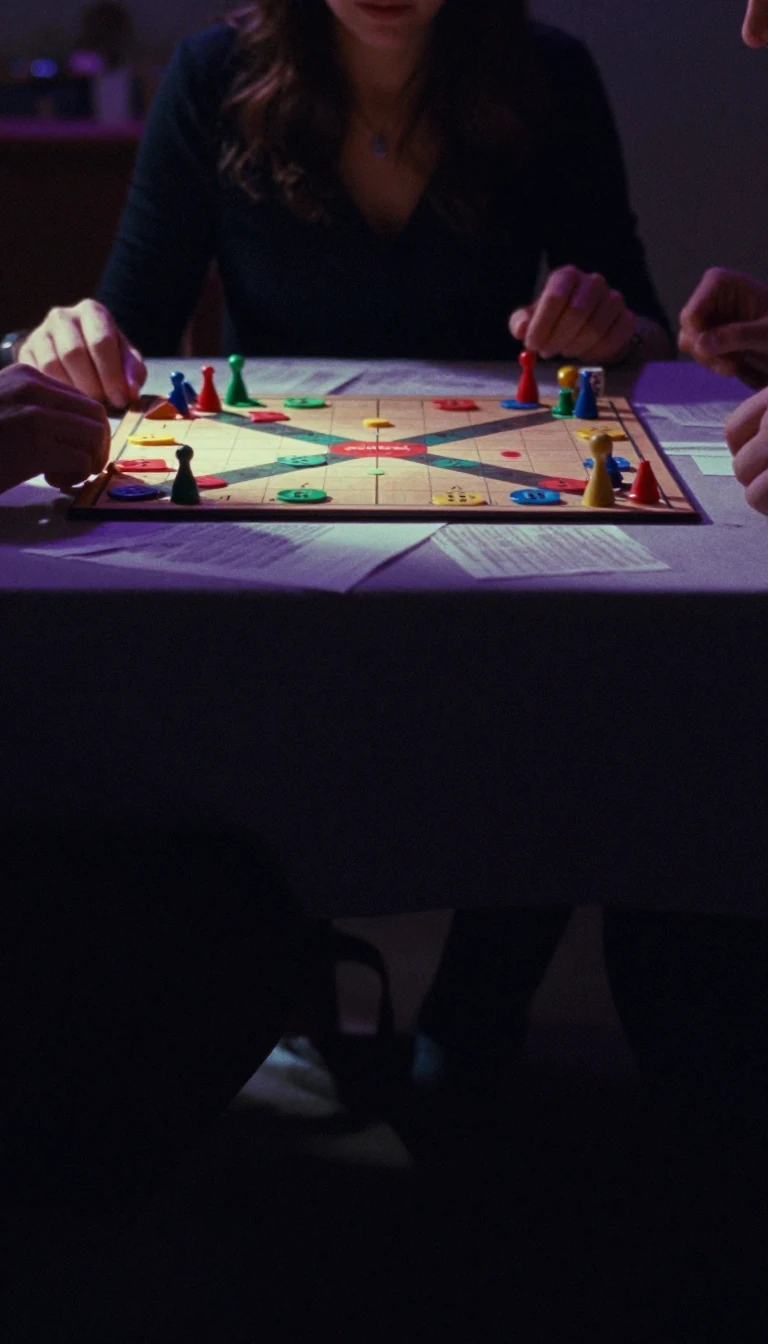
In short: Milton Bradley was a struggling lithographer until a clean-shaven Abraham Lincoln grew a beard, rendering his inventory worthless. Desperate for a new venture, Bradley pivoted to board games. His first hit, The Checkered Game of Life, redefined success for a nation obsessed with wealth and character in the post-Civil War era.
Born in 1836, Milton Bradley spent his early career as a draftsman and patent agent before establishing the first color lithography shop in Springfield, Massachusetts, in 1860. His initial business success was short-lived. After printing portraits of the Republican presidential nominee Abraham Lincoln, Bradley faced a sudden crisis when Lincoln grew his famous beard. The prints became obsolete, and customers demanded refunds, forcing Bradley to burn his remaining stock. Seeking a more stable path, he drew inspiration from an imported game to create The Checkered Game of Life in the winter of 1860.
The game was an immediate sensation, selling over 45,000 copies by 1861. While previous games like Mansion of Happiness focused on moral instruction, Bradley’s version shifted the goal toward secular accomplishment. It mirrored the American fascination with the link between character and wealth, rewarding players for navigating social virtues and vices. This secular approach to success resonated deeply with a public enjoying newfound leisure time, setting the stage for the Milton Bradley Company to dominate the industry for over a century.
Beyond games, Bradley was a dedicated advocate for education, particularly Friedrich Fröbel’s kindergarten system. He published educational magazines and introduced standardized watercolor sets and crayons, laying the groundwork for modern art supplies. Despite his business partners withdrawing support for his non-profitable educational ventures, Bradley persisted with the help of his friend George Tapley. By the time of his death in 1911, he had secured numerous patents for inventions ranging from drawing boards to color-mixing tops, leaving a legacy that spanned from the parlor to the classroom.
The Milton Bradley Company remained a powerhouse of American play, producing iconic titles like Candy Land, Operation, and Battleship. Following its acquisition by Hasbro in 1984, the company continued to operate until it was folded into Hasbro Games in 1998. The Milton Bradley brand name was finally retired in 2009, ending a 149-year run that fundamentally shaped how generations of Americans played.
Opens the Intellect+ feed with this card first. Swipe up for the next one.
Sources
- Summary by Intellect · source: Milton Bradley
To cite this card, link to https://intellectplus.co.uk/app/wealth-milton-bradley.
How we source, check and correct cards: Editorial standards.
General information, not professional advice. Spotted an error? Flag the card or see corrections and complaints.
Intellect Plus is a visual educational discovery platform for exploring fascinating facts and ideas. Brain Food, Not Brain Rot. What is Intellect Plus?
Related
More in Businesspeople · More in Wealth & Business · Latest · A–Z · All topics
