From 19th-century shipyards to space rockets, the evolution of a Japanese industrial titan.
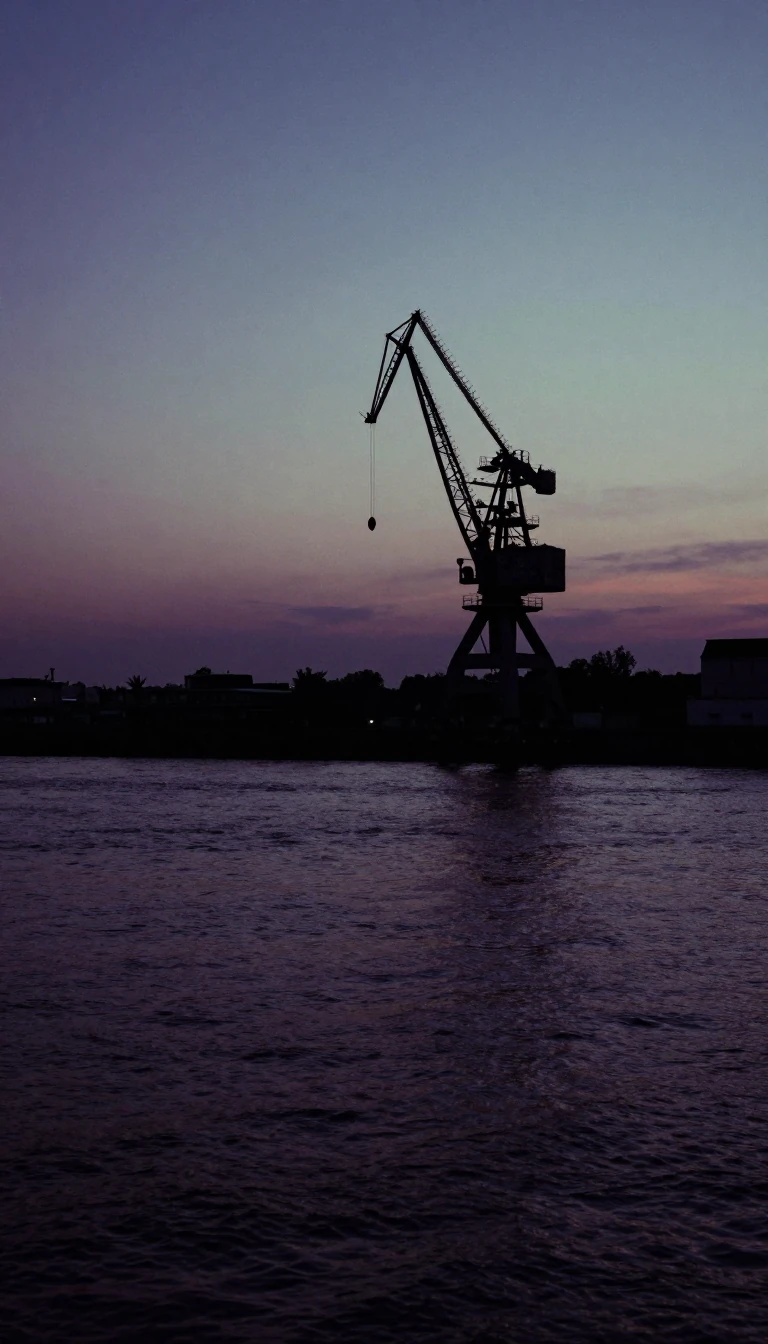
In short: Mitsubishi Heavy Industries began as a modest 1857 foundry in Nagasaki. Today, it is a global engineering powerhouse, manufacturing everything from commercial cruise ships and nuclear reactors to advanced fighter jets and space launch vehicles. Its history mirrors the industrial rise, wartime destruction, and eventual modernization of Japan.
The roots of Mitsubishi Heavy Industries (MHI) trace back to 1857, when the Tokugawa Shogunate commissioned the Nagasaki Yotetsusho foundry. In 1884, Iwasaki Yatarō, founder of the Mitsubishi enterprise, leased this facility, marking the company's formal entry into large-scale shipbuilding. By the early 20th century, the firm had become Japan's largest private manufacturer, deeply integrated with the Imperial Japanese Navy. This connection proved catastrophic during World War II; the Nagasaki shipyards, which produced the massive battleship Musashi, became a primary target for Allied bombing, culminating in the atomic destruction of the city in August 1945.
Post-war recovery required a radical transformation. Following the 1950 dissolution of the zaibatsu, the company split into three regional entities before re-merging in 1964 as the modern MHI. This era saw the firm pivot toward high-tech sectors, including aerospace and power systems. MHI became a key player in Japan's defense, producing F-15J fighters and H-60 helicopters under license, while simultaneously establishing itself as a leader in space exploration through the development of the H-IIA, H-IIB, and H3 launch vehicles.
Today, MHI operates as a diversified multinational, though it remains prone to the volatility of large-scale industrial projects. The company has navigated complex joint ventures, such as its thermal power partnership with Hitachi, and ambitious international acquisitions, like the purchase of Bombardier’s CRJ program. However, it has also faced significant setbacks, including the cancellation of its SpaceJet regional airliner project and the abandonment of a major nuclear power plant venture in Turkey. Despite these challenges, MHI remains a critical pillar of Japan’s industrial infrastructure, maintaining a dominant role in sectors ranging from specialized commercial shipping to advanced gas turbine technology.
Opens the Intellect+ feed with this card first. Swipe up for the next one.
Sources
- Summary by Intellect · source: Mitsubishi Heavy Industries
To cite this card, link to https://intellectplus.co.uk/app/wealth-mitsubishi-heavy-industries.
How we source, check and correct cards: Editorial standards.
General information, not professional advice. Spotted an error? Flag the card or see corrections and complaints.
Intellect Plus is a visual educational discovery platform for exploring fascinating facts and ideas. Brain Food, Not Brain Rot. What is Intellect Plus?
Related
More in Brands & companies · More in Wealth & Business · Latest · A–Z · All topics
