From Mining Magnate to Modern Art Visionary: The Life of Solomon R. Guggenheim
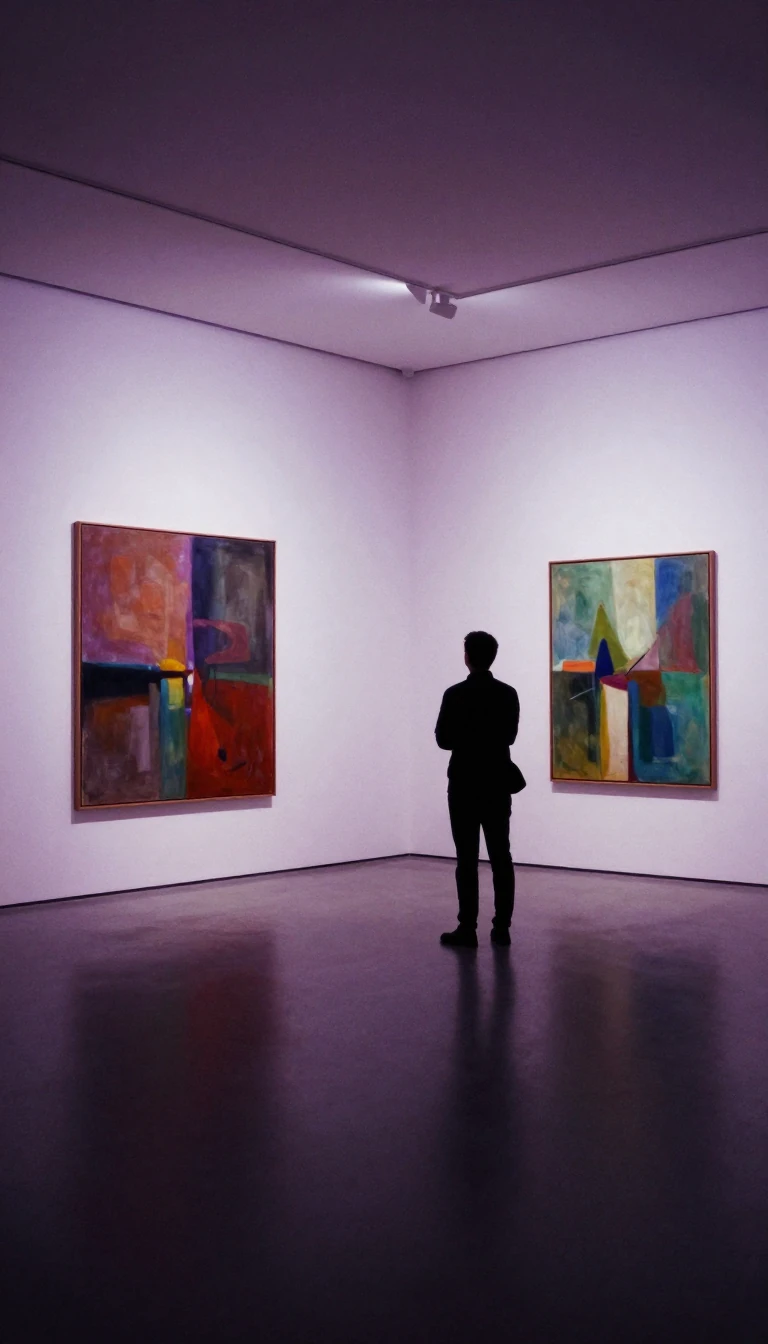
In short: Born into a legendary mining empire, Solomon R. Guggenheim spent decades extracting wealth from the earth before pivoting to a different kind of treasure. By the 1930s, he had traded copper and lead for the avant-garde, ultimately reshaping the cultural landscape of New York City through his iconic museum.
Born in 1861 to Swiss immigrants in Philadelphia, Solomon R. Guggenheim was part of a family that built one of the world's most formidable mining empires. His father, Meyer, transitioned from embroidery manufacturing into the lucrative world of lead and silver mining in Colorado in 1879. Solomon followed this path, managing family interests ranging from Mexican foundries to the Braden Copper Company in Chile and the Yukon Gold Company, which he founded in 1906.
Despite his success in industry, Guggenheim’s legacy shifted dramatically after World War I. He retired from active business in 1919, turning his focus toward art. Initially interested in old masters, his aesthetic trajectory changed after meeting Baroness Hilla von Rebay in 1926. Under her influence, he pivoted toward non-objective, modern art. By 1930, he was actively purchasing works by Wassily Kandinsky and displaying his growing collection in his Plaza Hotel apartment.
In 1937, he established the Solomon R. Guggenheim Foundation to formalize his philanthropic mission. Two years later, he opened the Museum of Non-Objective Painting in Manhattan. As the collection expanded—bolstered by the 1948 acquisition of 730 objects from dealer Karl Nierendorf—the need for a permanent home became clear. Guggenheim commissioned Frank Lloyd Wright in 1943 to design a new building. Though Solomon died in 1949, his vision was realized with the 1959 opening of the Solomon R. Guggenheim Museum, a structure that remains a cornerstone of modern art history.
Guggenheim’s transition from industrialist to patron highlights a unique era of American philanthropy. His collection, which grew to include masters like Marc Chagall, Fernand Léger, and Paul Klee, bridged the gap between the raw wealth of the Gilded Age and the intellectual pursuit of modernism. Today, his influence persists not only through the New York institution but also through the Peggy Guggenheim Collection in Venice, established by his niece.
Opens the Intellect+ feed with this card first. Swipe up for the next one.
Sources
- Summary by Intellect · source: Solomon R. Guggenheim
- Also: Solomon Guggenheim | Modern Art Patron, Philanthropist & Entrepreneur | Britannica Money
To cite this card, link to https://intellectplus.co.uk/app/wealth-solomon-r-guggenheim.
How we source, check and correct cards: Editorial standards.
General information, not professional advice. Spotted an error? Flag the card or see corrections and complaints.
Intellect Plus is a visual educational discovery platform for exploring fascinating facts and ideas. Brain Food, Not Brain Rot. What is Intellect Plus?
Related
More in Businesspeople · More in Wealth & Business · Latest · A–Z · All topics
