How Toyota slashed 800 engine variants to simplify its global manufacturing machine
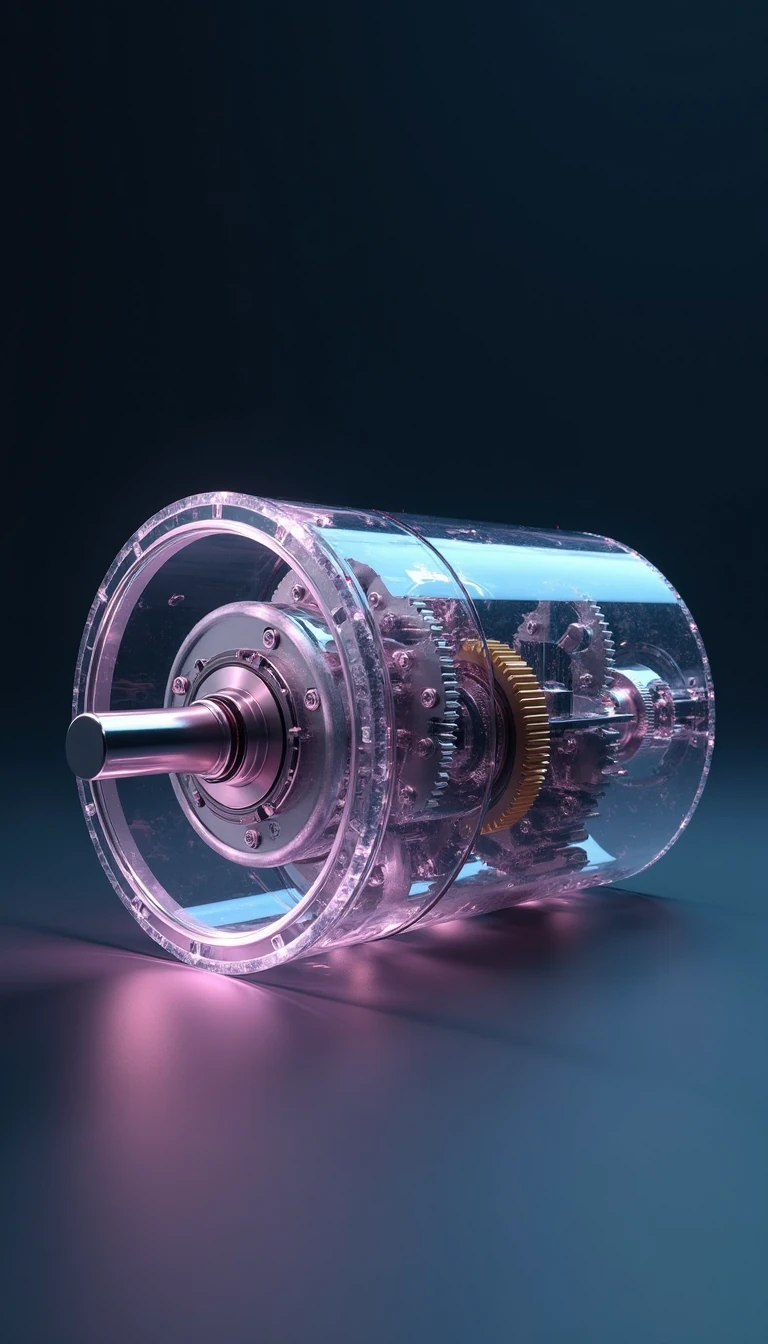
In short: Toyota once juggled 800 different engine variants, a logistical labyrinth that hindered efficiency. Through its Toyota New Global Architecture strategy, the company radically consolidated this lineup into just 17 versions across nine engine families. This shift, centered on the Dynamic Force engine, prioritizes thermal efficiency, performance, and streamlined production.
The Dynamic Force engine series, which debuted in June 2017 with the A25A four-cylinder model in the XV70 series Camry, represents a fundamental pivot in Toyota's engineering philosophy. By designing these engines alongside their vehicle platforms, Toyota aimed to simplify production across both Toyota and Lexus brands. The strategy replaced a fragmented catalog of 800 variants with a streamlined collection of just 17 versions, significantly reducing complexity in manufacturing, transmissions, and hybrid systems.
At the heart of this design is a pursuit of high thermal efficiency, which reaches over 40% in standard models and 41% in hybrid versions. Engineers achieved this through several technical innovations, including a high compression-moderated Atkinson cycle, an expanded 41-degree valve clamping angle, and an updated D-4S multi-hole injector system. The engines also feature an under-square design with a longer stroke-to-bore ratio and a cylinder centreline offset from the crankshaft, all intended to balance driving performance with low fuel consumption.
The rollout has been methodical, expanding from the initial A25A to include the three-cylinder M15A, the V6 V35A, and the turbocharged T24A introduced in 2021. Toyota also overhauled its naming convention, moving away from traditional iteration codes to a system that explicitly denotes displacement, such as the 2.0-litre M20A. These engines are now manufactured globally, with localized production facilities in China, India, and beyond, powering a diverse range of vehicles from the Yaris to the Innova HyCross.
This transition matters because it demonstrates how a massive automotive incumbent can re-engineer its core operations to survive in an era demanding both environmental performance and cost-effective scale. By standardizing components while maintaining the flexibility to run on petrol, ethanol, or hybrid electric drivetrains, Toyota is attempting to maintain its competitive edge while simplifying the massive, complex machinery of global car production.
Opens the Intellect+ feed with this card first. Swipe up for the next one.
Sources
- Summary by Intellect · source: Toyota Dynamic Force engine
To cite this card, link to https://intellectplus.co.uk/app/wealth-toyota-dynamic-force-engine.
How we source, check and correct cards: Editorial standards.
General information, not professional advice. Spotted an error? Flag the card or see corrections and complaints.
Intellect Plus is a visual educational discovery platform for exploring fascinating facts and ideas. Brain Food, Not Brain Rot. What is Intellect Plus?
Related
More in Business stories · More in Wealth & Business · Latest · A–Z · All topics
