From regional feeder to premium carrier: the evolution of TransNusa
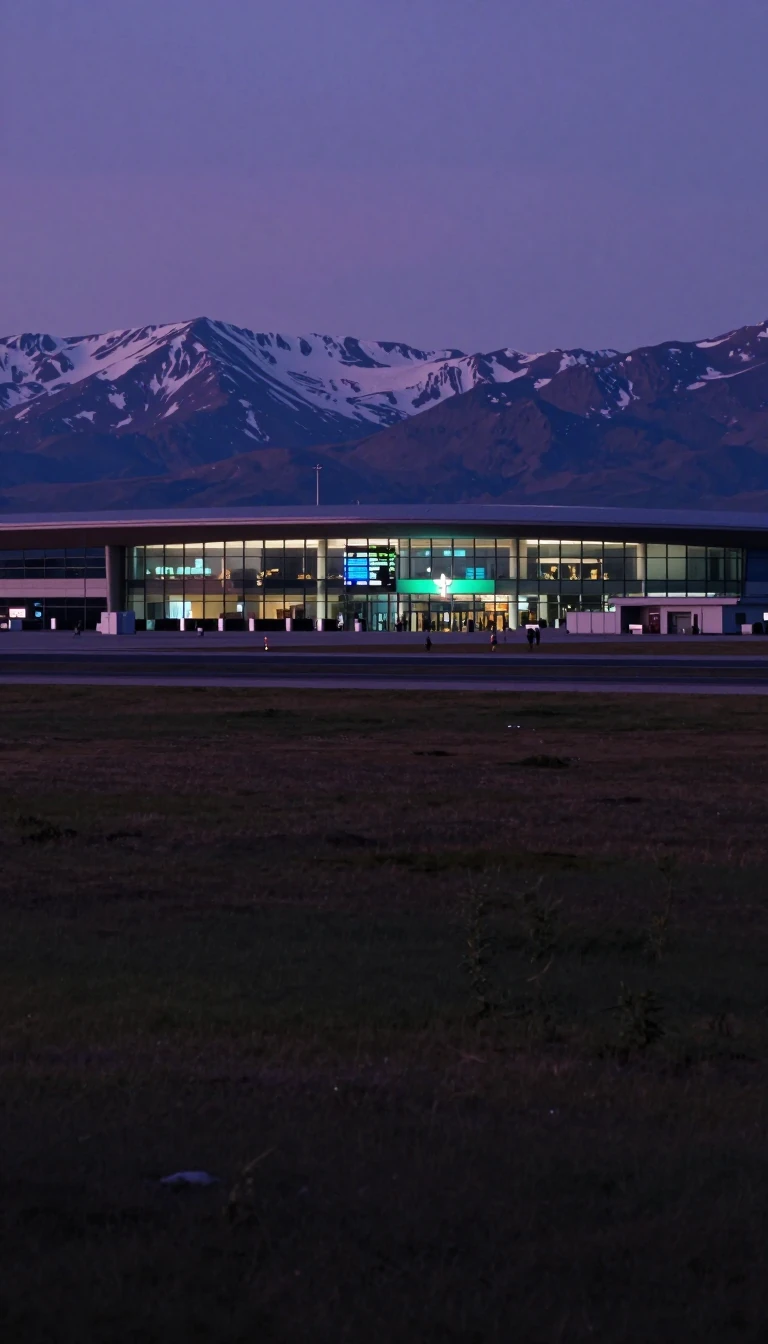
In short: TransNusa has undergone a dramatic identity shift, moving from a regional feeder service to a premium carrier. After a pandemic-induced hiatus, the airline pivoted its strategy to differentiate itself from low-cost competitors, trading its niche inter-island routes for a focus on larger airports and a more upscale passenger experience.
Launched in August 2005, TransNusa initially operated as a regional carrier in Indonesia, primarily serving the East Nusa Tenggara region. In its early years, the airline relied heavily on cooperative partnerships, chartering aircraft from companies like Pelita Air and Trigana Air Service to reach destinations such as Waingapu and Tambolaka. By 2007, it had established a sophisticated feeder model, acting as a ticketing agent and connecting smaller regional hubs to the broader Indonesian network via Mandala Airlines. This era was defined by niche connectivity, utilizing turboprops like the Fokker 50 and ATR 42-300 to reach airports with relatively short runways.
The airline's trajectory shifted significantly in 2011 when it obtained its own air operator's certificate and began procuring its own fleet. However, the COVID-19 pandemic forced a suspension of operations in September 2020, leading to the return of its aircraft to lessors. When the airline prepared to return in late 2021, it initially planned to operate as a low-cost carrier. This plan quickly evolved; by February 2024, TransNusa announced a strategic repositioning to become a 'premium service carrier,' aiming to distinguish itself from the budget market by offering a more refined experience.
This evolution culminated in April 2025, when the airline officially transitioned into a 'medium service carrier.' This status, stipulated by the Indonesian government, required the airline to offer complimentary light snacks and baggage allowances on domestic flights. Backed by the China Aircraft Leasing Group, TransNusa now operates a mixed fleet including Airbus A320neos and Comac ARJ21s. Rather than reviving its old inter-island network, the airline now focuses on larger airports, balancing its heritage of regional service with a modern, upscale brand identity.
The airline's history is also marked by operational challenges, such as a 2016 collision at Halim Perdanakusuma Airport where a towed ATR 42-600 was struck by a Batik Air Boeing 737 during takeoff. Today, the carrier maintains a sophisticated fleet of Airbus A320s, A321s, and Comac C909s, reflecting its shift toward high-capacity, high-service aviation.
Opens the Intellect+ feed with this card first. Swipe up for the next one.
Sources
- Summary by Intellect · source: TransNusa
To cite this card, link to https://intellectplus.co.uk/app/wealth-transnusa.
How we source, check and correct cards: Editorial standards.
General information, not professional advice. Spotted an error? Flag the card or see corrections and complaints.
Intellect Plus is a visual educational discovery platform for exploring fascinating facts and ideas. Brain Food, Not Brain Rot. What is Intellect Plus?
Related
More in Brands & companies · More in Wealth & Business · Latest · A–Z · All topics
