Wholesaling is the invisible engine that bridges the gap between producers and global consumers.
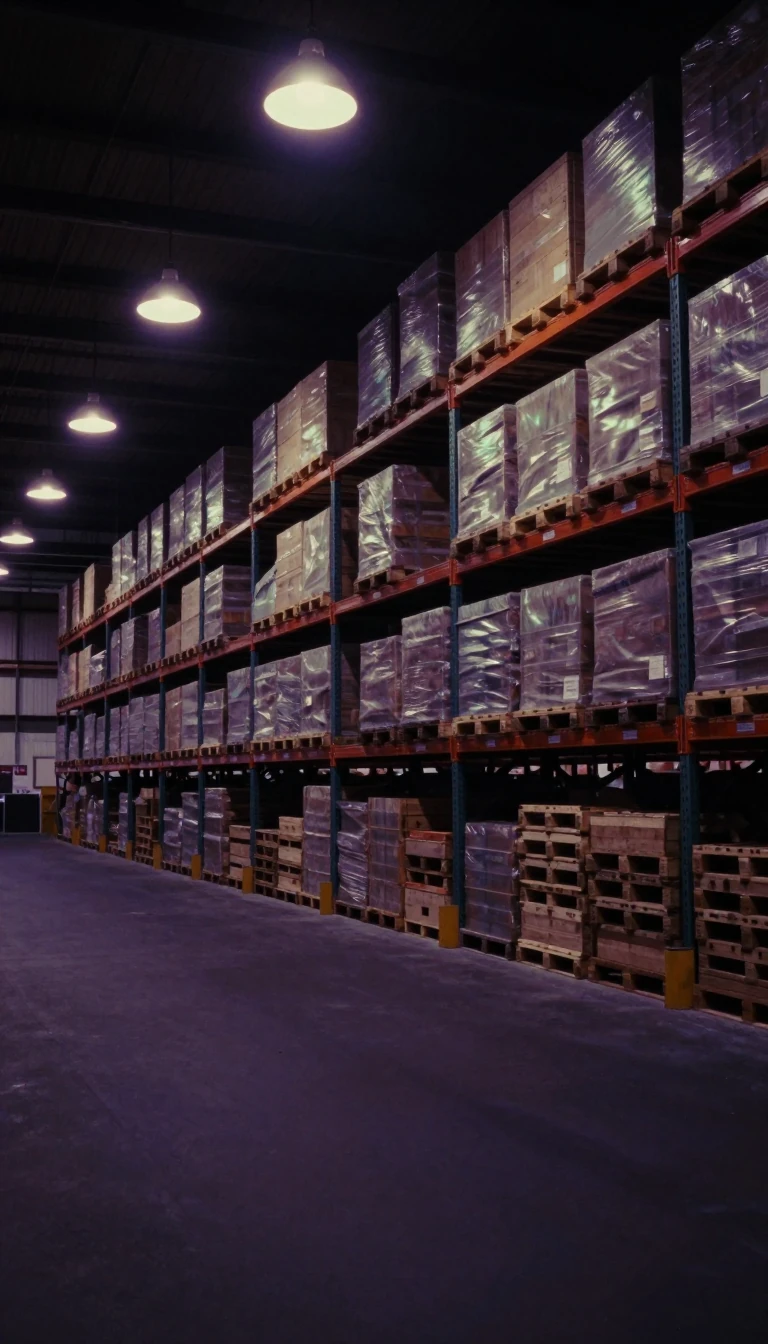
In short: Wholesaling is far more than just buying in bulk. It is a critical economic mechanism that reduces friction between manufacturers and buyers by sorting, grading, and redistributing goods. From ancient merchant guilds to modern digital B2B platforms, this industry remains the backbone of global supply chains and market efficiency.
At its core, wholesaling involves the sale of goods to professional business users, retailers, or other wholesalers rather than to end consumers. By purchasing in large quantities directly from manufacturers, wholesalers achieve economies of scale. They perform essential logistical functions: assembling supply from multiple sources, breaking bulk into smaller lots, and providing storage or specialized handling. This process lowers market-entry barriers, allowing smaller producers and buyers to participate in commerce through established networks and market search capabilities.
The structure of the industry is diverse, ranging from merchant wholesalers who take ownership of inventory to agents and brokers who earn fees for matching buyers and sellers. Large-scale infrastructure, such as the Central de Abasto in Mexico City or Yiwu International Trade City in China, serves as a vital node for price formation and distribution. While traditionally local, the rise of e-procurement and B2B marketplaces has shifted the landscape, with digital business-to-business commerce seeing significant growth between 2016 and 2022. Artificial intelligence is now beginning to enter this space to further automate procurement and improve human efficiency.
The historical roots of these intermediaries run deep, with medieval merchant guilds in Europe once organizing long-distance commerce and influencing local distribution rules. Today, the sector is heavily shaped by regulatory environments, including complex tax structures like Value-Added Tax (VAT) in Europe, China, and Vietnam. Whether through physical wholesale markets or global digital platforms, the industry continues to evolve, constantly adapting to new technologies and shifting consumer demands to maintain its role as the primary link in the movement of goods.
Opens the Intellect+ feed with this card first. Swipe up for the next one.
Sources
- Summary by Intellect · source: Wholesaling
To cite this card, link to https://intellectplus.co.uk/app/wealth-wholesaling.
How we source, check and correct cards: Editorial standards.
General information, not professional advice. Spotted an error? Flag the card or see corrections and complaints.
Intellect Plus is a visual educational discovery platform for exploring fascinating facts and ideas. Brain Food, Not Brain Rot. What is Intellect Plus?
Related
More in Business and economics · More in Wealth & Business · Latest · A–Z · All topics
