 Intellect Plus
Visual arts
680 cards. Each one is a 40-second story with a five-minute read behind it. Page 11 of 12.
 Rococo began as an insult for swirly, out-of-date decorationThe name comes from French rocaille—shell-and-pebble grotto work—and was coined as satire by Neoclassical painter Pierre-Maurice Quays. Print critics only adopted "rococo" around …
 Romanesque was Europe’s first art style to cross all of Catholic EuropeFrom about 1000 AD until Gothic rose in the twelfth century—later in some regions—Romanesque fused round Roman arches and vaults with new habits. Nineteenth-century historians coi…
 Romantics made feeling the law—and mistrusted the industrial cityRomanticism rose in Europe near the end of the eighteenth century against Enlightenment rationalism and Industrial Revolution materialism. Advocates put subjectivity, imagination,…
 Realism was never mainly about painting things more accuratelyIn art talk, realism sounds like a camera. Yet nineteenth-century Realism, after France’s 1848 upheaval, chased ordinary and even sordid subjects. Gustave Courbet and peers reject…
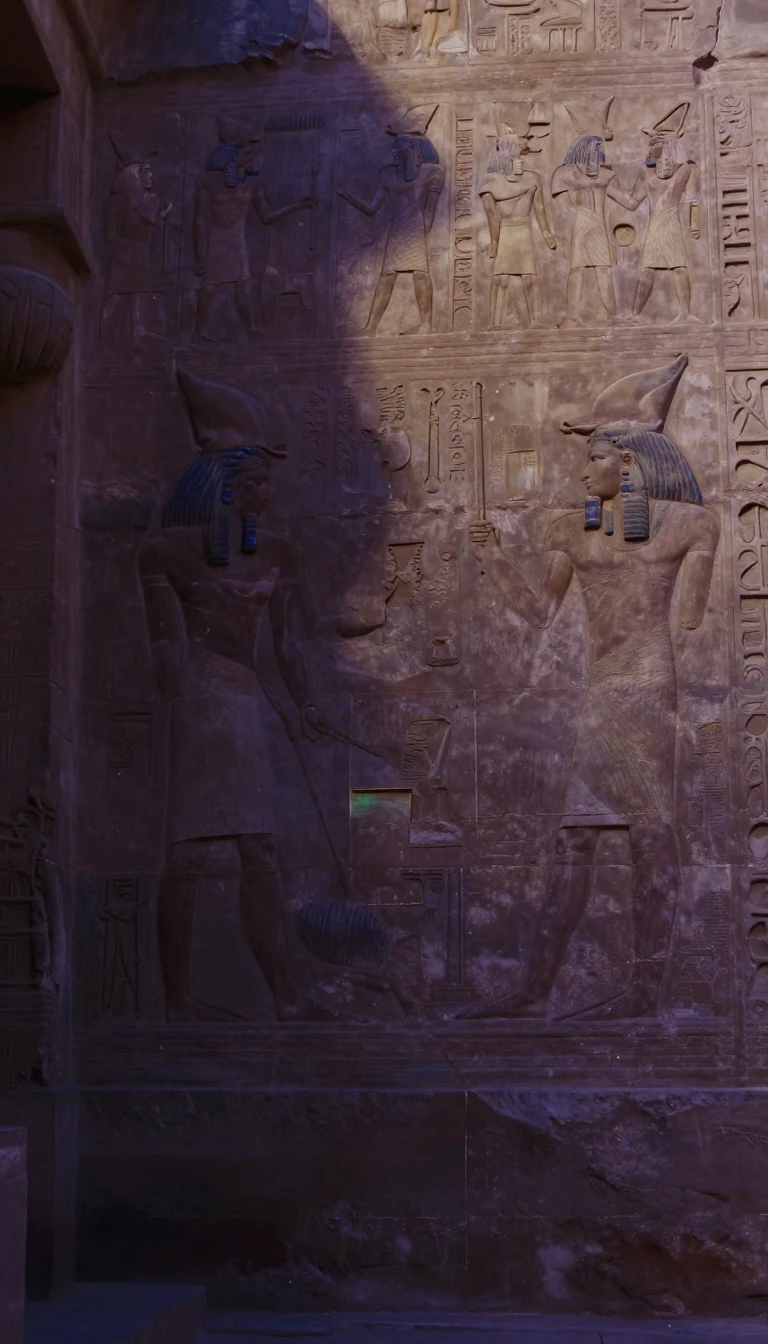 Sacred images inspire devotion—and sometimes deliberate destructionReligious art pictures belief and how humans relate to it. Sacred art is made for worship; works only inspired by faith may stay "religious" without counting as sacred. Across tra…
- Renaissance art was a long remix of antiquity, not overnight rebirthArt historians still date Renaissance art roughly 1350–1620, with a distinct Italian style by about 1400. The French word promises rebirth, yet scholars no longer treat it as a cl…
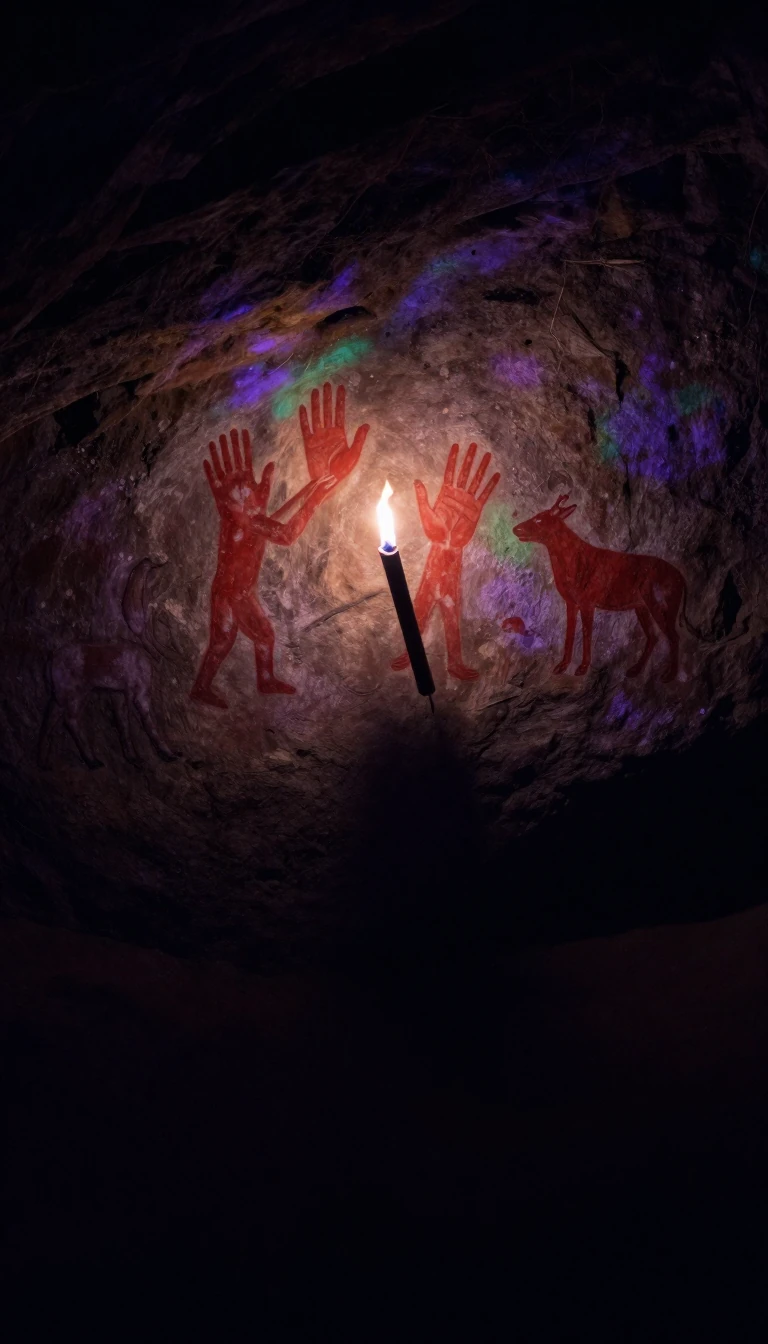 Most ancient rock paintings we see survived only because caves sheltered themRock art means human marks on natural stone—cliffs, boulder faces, cave walls, even ground figures—not built walls or free-standing statues. Anthropologists studying the oldest Up…
 Outsider art began as a French label for work beyond cultureRoger Cardinal coined "outsider art" in 1972 for Jean Dubuffet's art brut—raw work by psychiatric patients, hermits, and spiritualists outside official culture. Adolf Wölfli's ill…
- The oldest known paintings may be fifty-one thousand years oldCave images once meant Europe's Ice Age walls. Research now points to Sulawesi and Borneo: pig-hunting scenes at least 43,900 years old, a pig dated over 45,500 years, and 2024 Na…
- Persian rock reliefs taught kings how to claim the mountainFrom Susa's painted pots near 5000 BCE to Achaemenid cliff tombs, Persian art staged power in stone and metal. Darius the Great's Behistun relief around 500 BC repeats its boast i…
 Brunelleschi’s lost panel still defines how we draw depthLinear perspective shrinks distant things and foreshortens forms along the line of sight. Around 1415–1420 Filippo Brunelleschi reportedly proved it with a peephole view of Floren…
 Pop art started in London collages before Warhol’s soup cansBritish artists studied American ads from afar in the 1950s; Eduardo Paolozzi's 1947 collage I was a Rich Man's Plaything tucked the word "pop" in revolver smoke. By August 1962 N…
 Portraiture began with plastered skulls nine thousand years agoBefore Mona Lisa, Levantine communities rebuilt faces on ancestral skulls between 9000 and 6000 BC—among the oldest sculptural portraits. Faiyum funeral panels later preserved Gre…
 Post-Impressionism was a vague label Roger Fry needed in 1910The name is almost an apology. Roger Fry said he chose "Post-Impressionism" as the vaguest tag for French painting after Manet when he staged Manet and the Post-Impressionists in …
 Postmodernism is a Swiss Army knife of contested meaningsLouis Menand called postmodernism definitionally overloaded—a tool for almost any critical job. Dick Hebdige mocked it as a buzzword spanning room décor to nuclear dread. Beneath …
 Seven young rebels named themselves after art before RaphaelIn 1848, Millais, Rossetti, Hunt and four friends founded a secret Brotherhood in London, scorning Raphael's "corrupting" elegance and Joshua Reynolds as "Sir Sloshua." Their wet-…
- Art may be older than Homo sapiens alone can claimUndisputed figurative sculpture from Hohle Fels is about 40,000 years old—but Neanderthal cave marks in Spain date to 64,800 years, and a 2018 South African find pushed the earlie…
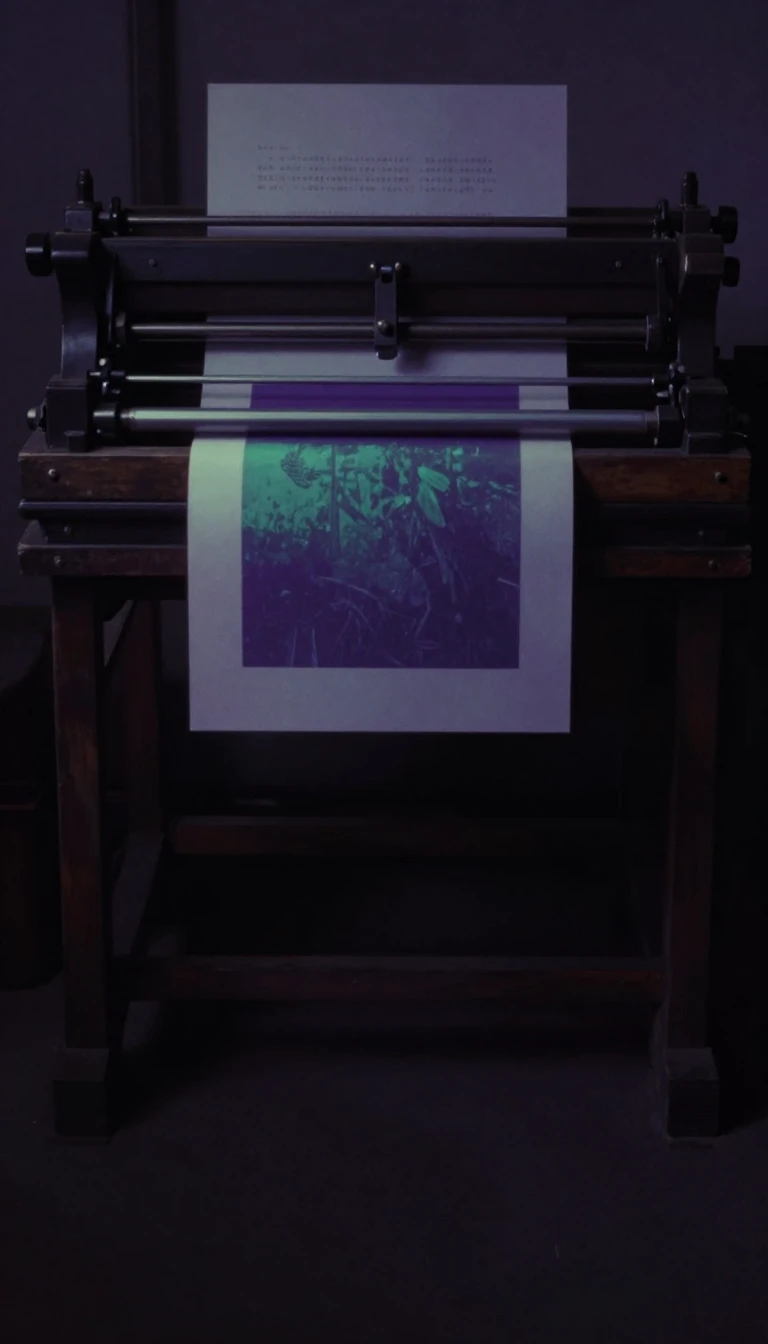 Every fine print is an original impression, not a copyPrintmaking transfers ink from a matrix—wood, metal, stone, or screen—to paper or cloth, usually yielding multiples. Each pull is an "impression," an original artwork; a "copy" me…
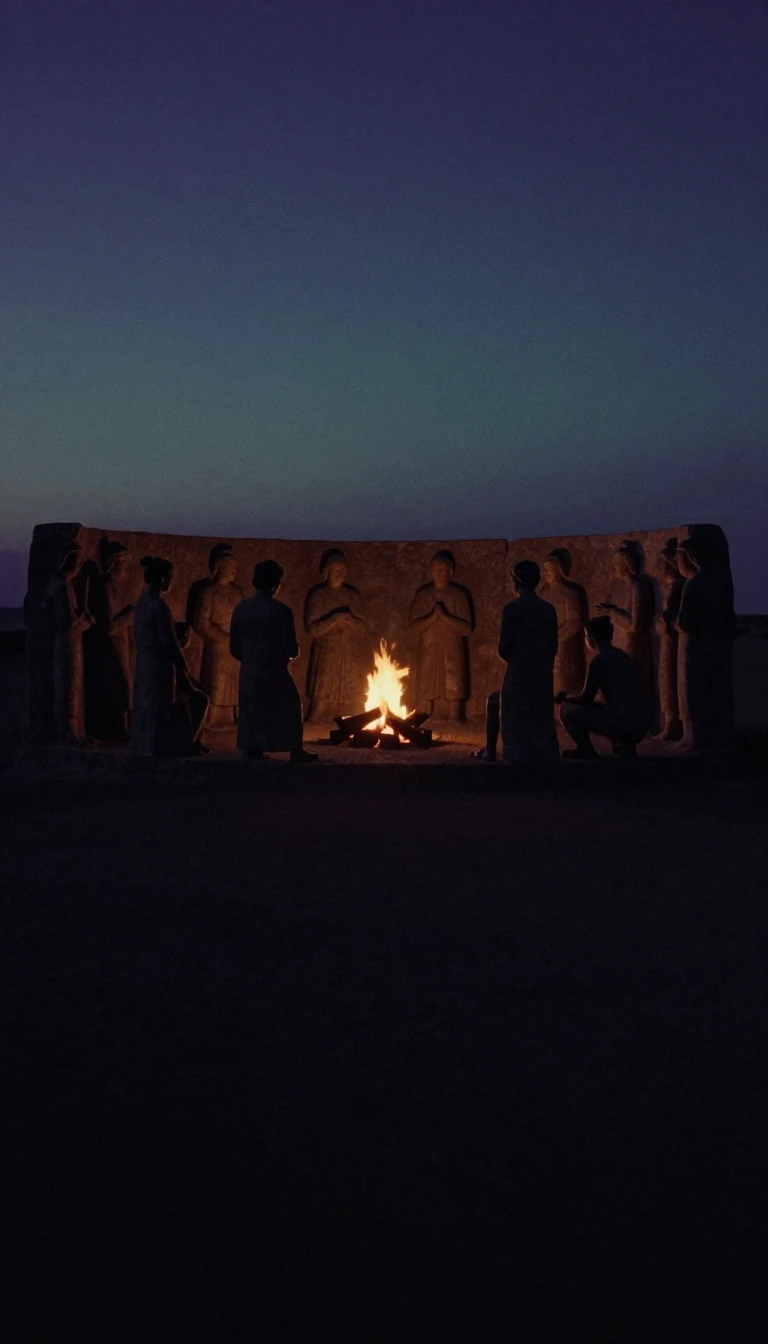 Easter Island’s stone giants were never just floating headsRapa Nui carvers shaped more than nine hundred moai between about 1250 and 1500. Heads take roughly three-eighths of each figure’s height, so buried quarry statues look head-only.…
 The first house model was a couturier’s wife in 1853Charles Frederick Worth asked Marie Vernet Worth to wear his designs for clients, inventing the house model. Before that, fourteenth-century Europe showed fashion on dolls. By the…
 Modernism wanted a sacred center—then watched it crackEarly twentieth-century modernism prized experiment, abstraction, and subjective experience across literature, art, music, and architecture. It answered secularization, science, i…
 Rome’s finest floors were portable painting in tiny stone cubesMosaic covers floors and walls with colored stone, glass, or ceramic set in mortar—a craft ancient enough that Mesopotamian temples used mixed materials in the third millennium BC…
- Mexico named mural painting a public art crusade in 1906Dr. Atl’s 1906 manifesto demanded pintura mural—monumental wall painting—for Mexico. The Spanish adjective for “of the wall” became an art noun in the early twentieth century, the…
- Neoclassicism was born in Rome, not in ancient AthensJohann Joachim Winckelmann’s books and the digs at Pompeii and Herculaneum lit a classical craze in Rome. Grand Tour students carried Greco-Roman ideals home. Visual Neoclassicism…
 Oil paint’s oldest survivors are seventh-century Afghan muralsBuddhist artists at Bamiyan, Afghanistan, painted oil murals around 650 AD—centuries before Europe’s fame. Europeans used drying oils on woodwork by the twelfth century, but panel…
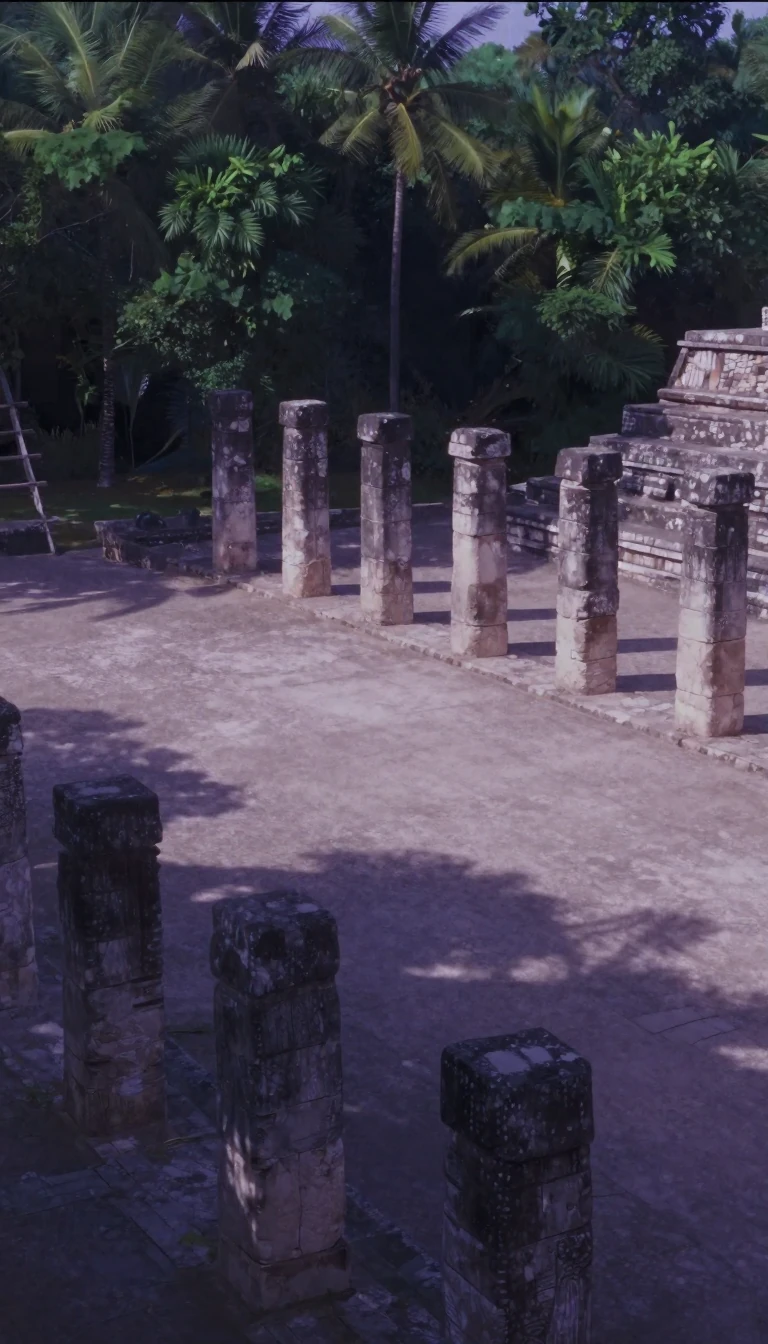 Seventeen stone faces still stare from Mexico’s Gulf coastOlmec colossal heads—basalt portraits from about 1.17 to 3.4 metres tall—define Mesoamerica’s first civilization. Seventeen confirmed examples sit at four Gulf Coast sites. The ea…
 Your eyes invent triangles that were never drawnRichard Gregory sorts visual illusions into physical, physiological, and cognitive classes—each with ambiguities, distortions, paradoxes, and fictions. A stick bends in water; aft…
 Japan’s word stuck—but paper folding is older and widerOrigami means fold-paper, yet historians trace separate Chinese, European, and Japanese traditions that mostly met only in the twentieth century. Ceremonial wrapping (origata) is …
 Japan’s oldest Far East wooden temples still stand near NaraJapanese art runs from Jōmon pottery in the tenth millennium BCE to manga and anime. Painting and brush calligraphy dominate; sculpture waned as Buddhism’s public role shrank. At …
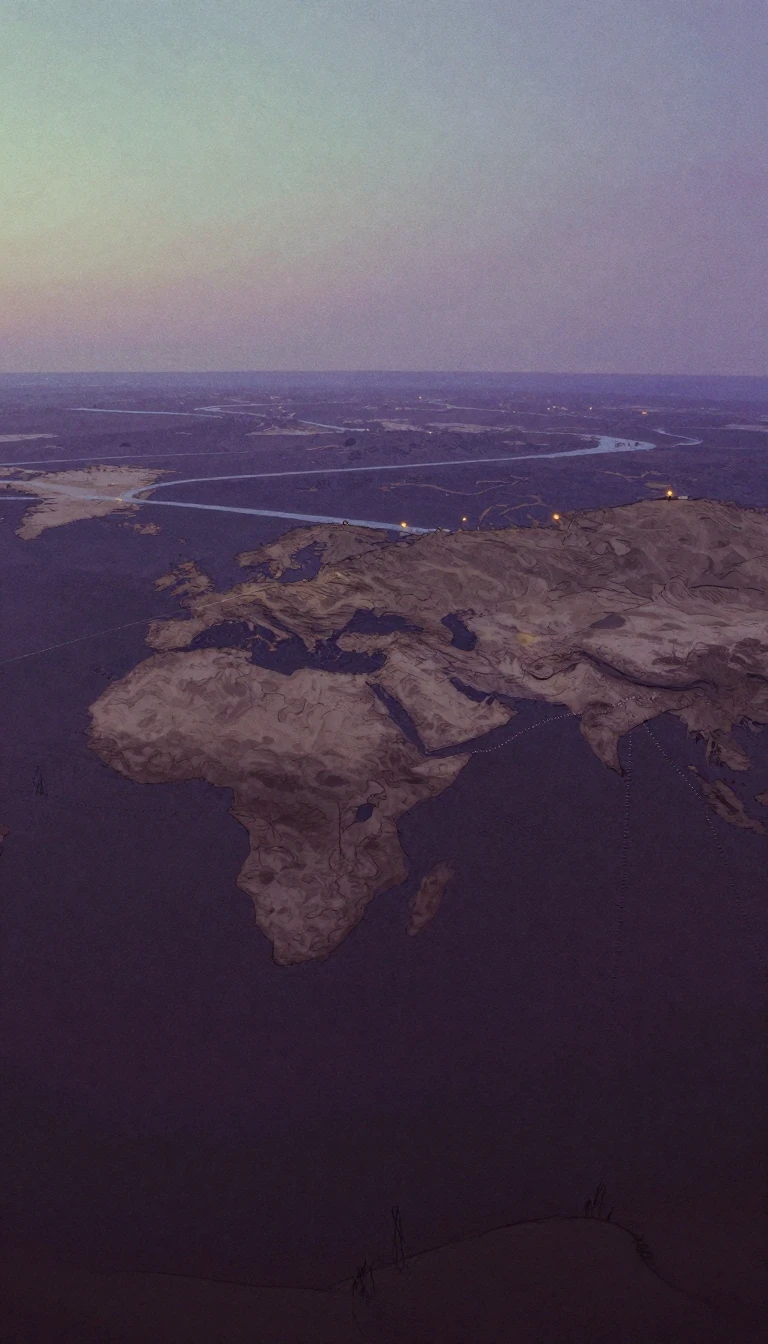 English borrowed “landscape” from Dutch painters firstThe word entered English as landskip around 1600—from Dutch landschap—and meant a painting before it meant a view; its first recorded use for a picture is 1598. Pure landscapes wi…
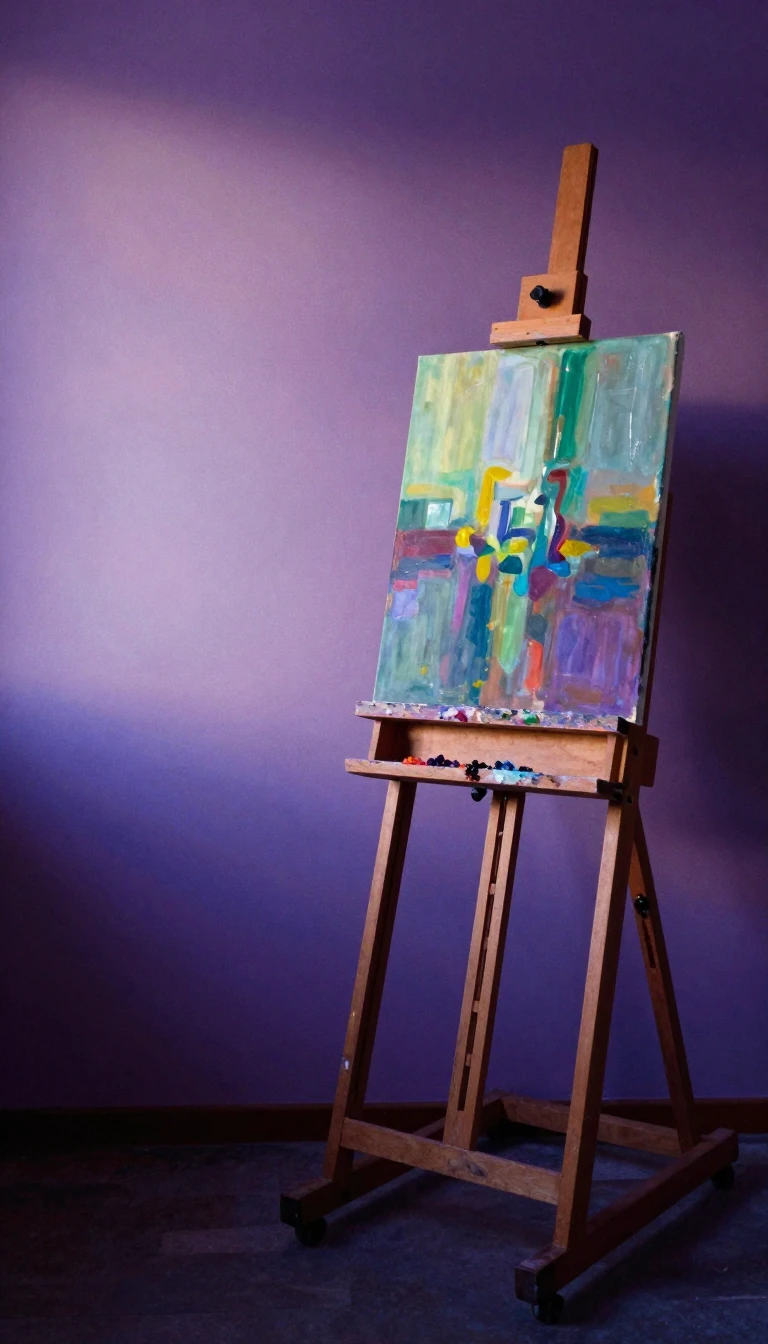 Delacroix painted 1830, not the Bastille year everyone assumesLiberty Leading the People commemorates France’s July Revolution of 1830 that toppled Charles X—not 1789, despite common mix-ups. Eugène Delacroix worked through autumn 1830; a 21…
 Japan’s comics market hit a record seven hundred billion yenManga—Japanese comics—now outsell American comics and dominate U.S. graphic-novel registers. Domestic sales reached a record ¥704.3 billion in 2024, with digital near ¥500 billion…
- When Renaissance perfection peaked, artists chose elegant strainMannerism rose in Italy around 1520, spread by about 1530, and lasted until Baroque tastes took over near 1600—while Northern variants ran into the early seventeenth century. Wher…
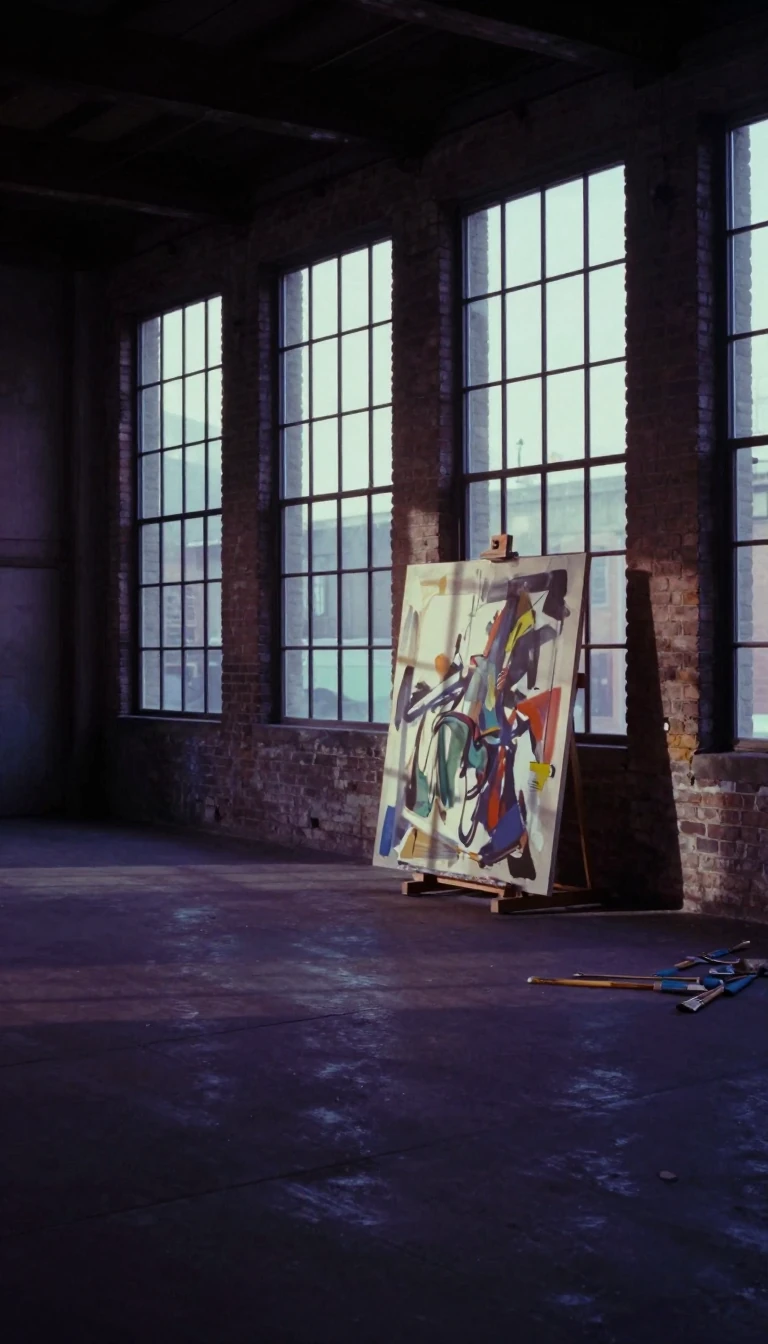 Minimal art stripped painting down to the object itselfMinimalism rose in postwar Western art as a retort to Abstract Expressionism’s gestural drama. New York painters and sculptors in the early 1960s—Donald Judd, Dan Flavin, Carl And…
 Norman Rockwell’s illustration sold for fifteen million dollarsOnce dismissed beneath fine art, illustration now commands auction fortunes and a global market. Norman Rockwell’s “Breaking Home Ties” fetched US$15.4 million at Sotheby’s in 200…
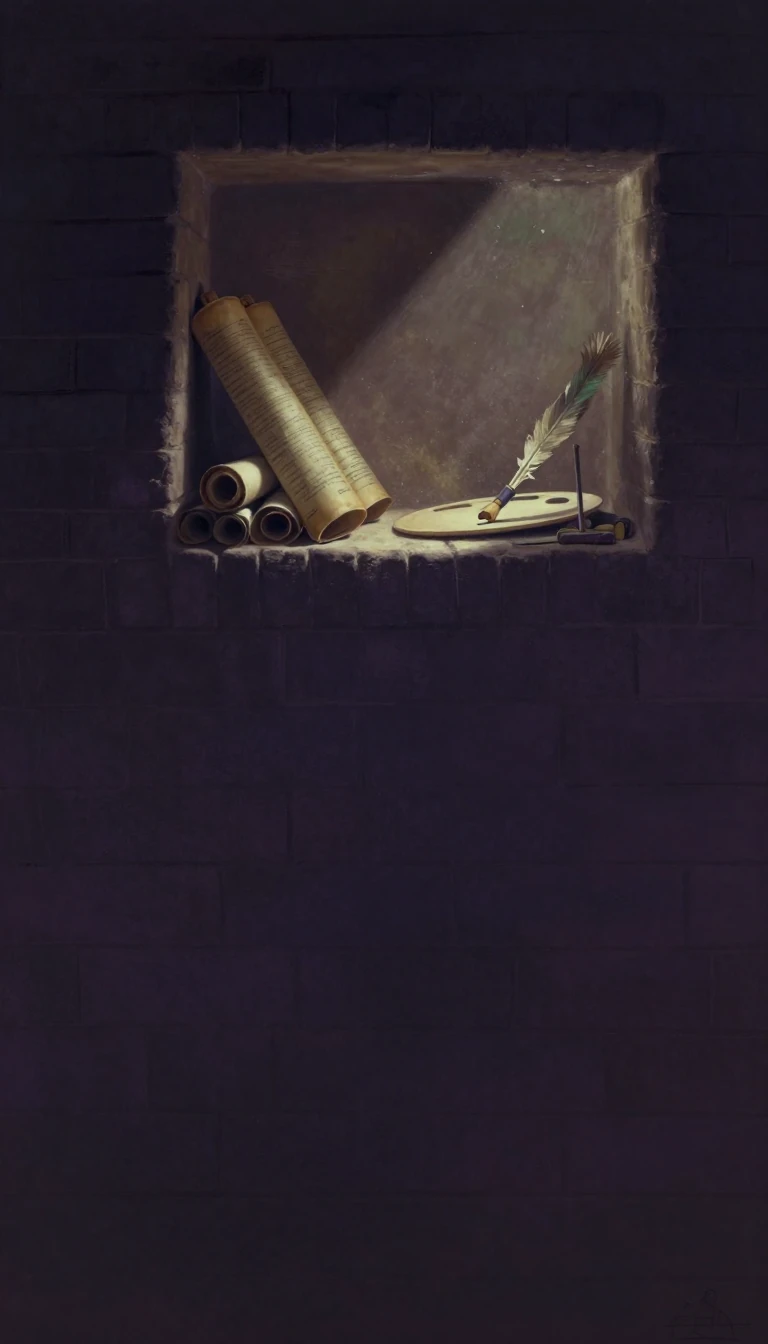 India’s rock shelters hold paintings ten thousand years oldIndian art stretches across South Asia—painting, sculpture, pottery, silk—yet stone and metal outlast the climate better than wood. Roughly 1,300 rock-art sites hold over a quarte…
 Industrial design was named in print decades before BauhausCrafting form while making an object differs from fixing form before mass runs begin. The phrase “industrial design” appeared in The Art-Union on 15 September 1840—long before Jos…
 Owen Jones wrote thirty-seven rules for decorating interiorsInterior design grew from instinctive building into a managed profession once industrial cities and complex architecture demanded planned space. Architect Owen Jones, decorating J…
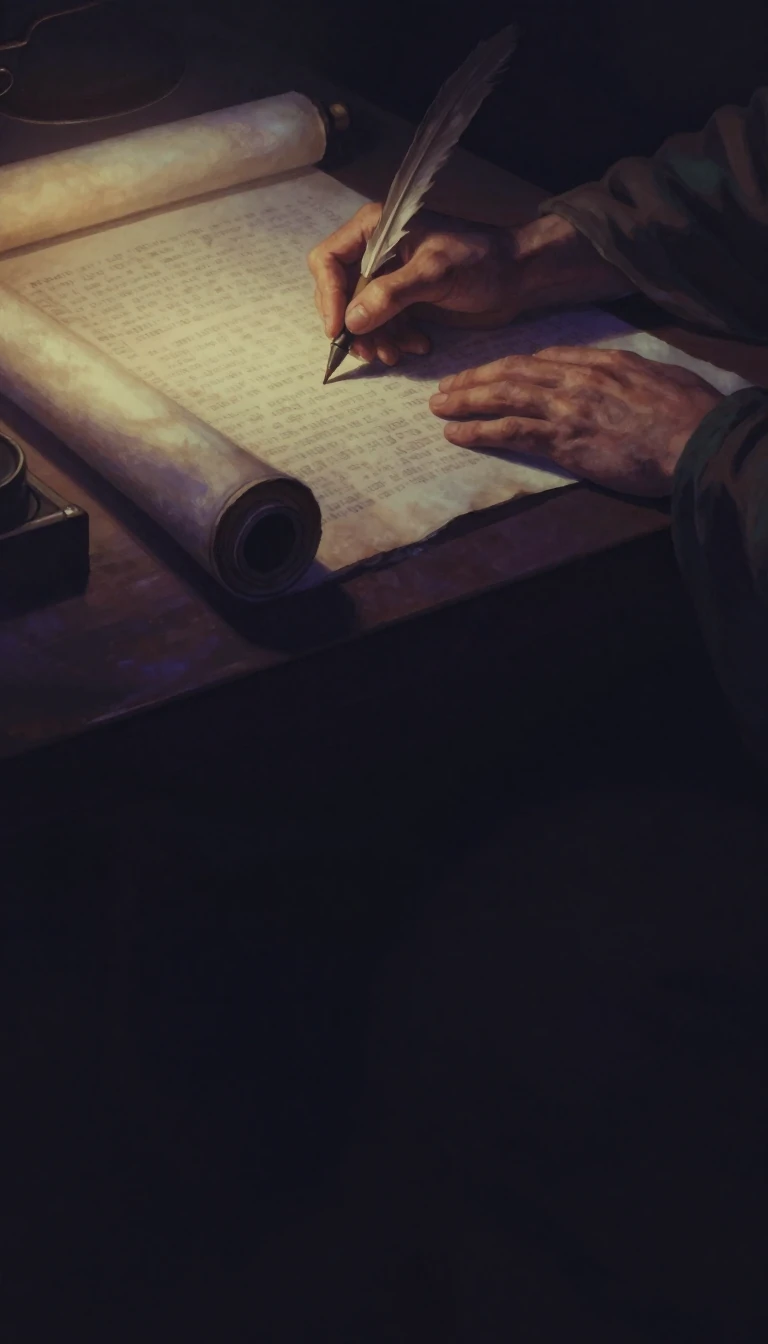 Calligraphy carries revelation across Islamic visual cultureWestern historians coined “Islamic art” in the late nineteenth century for work made since the seventh century CE across Muslim lands. Public religious schemes usually avoid livin…
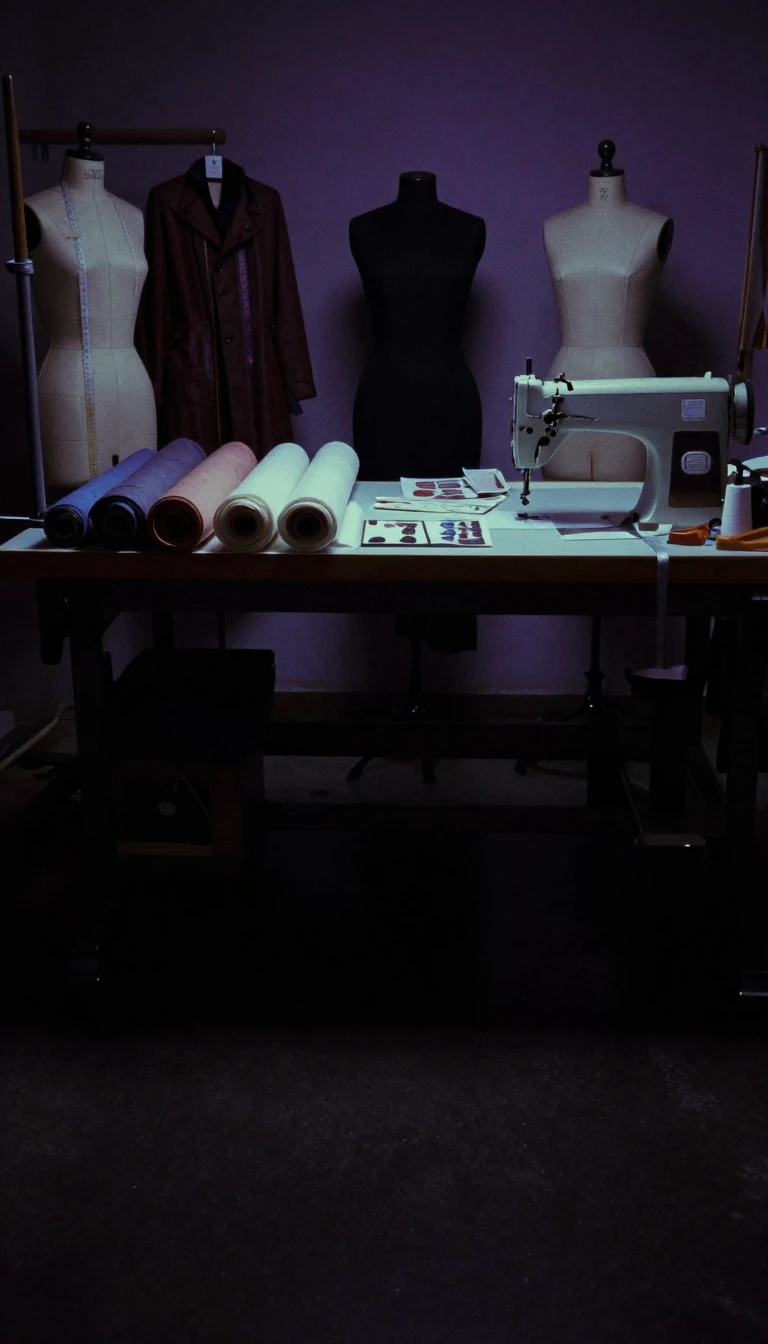 Western fashion’s accelerating style clock began mid-14th centuryJames Laver and Fernand Braudel are among historians who place the birth of Western clothing fashion around the mid-1300s. Men’s outer layers suddenly shrank from mid-calf coverag…
 Folk art stays useful, taught by tradition, made one piece at a timeFolk art spans visual work made inside folk culture: usually practical, learned in a popular tradition rather than fine-art schooling, and often overlapping contested ground with …
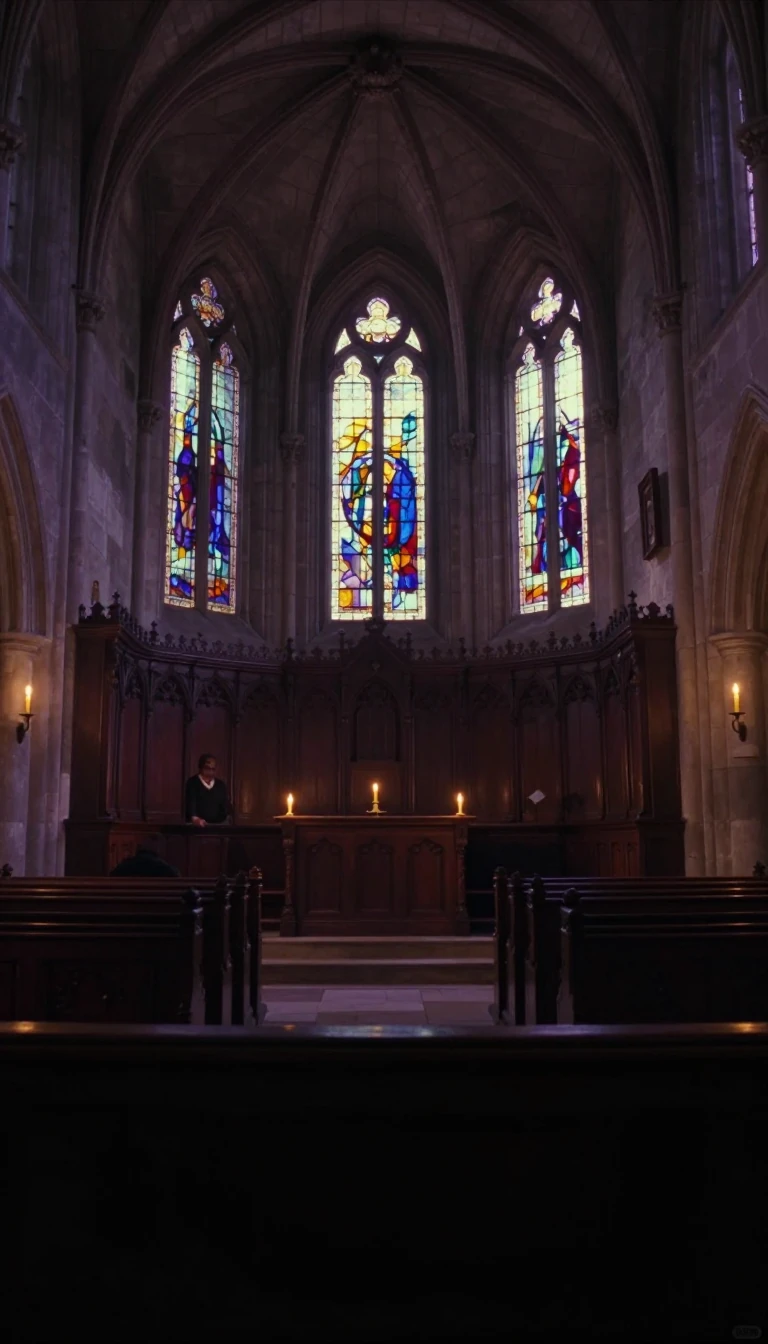 Gothic began as French work at Saint-Denis, then meant “barbaric”Gothic art grew in Northern France out of Romanesque styles in the twelfth century, paced by Gothic architecture. It emerged in Île-de-France at Abbot Suger’s Abbey Church of St D…
- Modern graffiti rode New York subways before going globalWriting on walls is ancient—from Egyptian and Greek scratches to Rome—but modern graffiti style bloomed in New York City’s subways and Philadelphia in the early 1970s before sprea…
- “Graphic design” named a craft printers already practicedThe phrase “graphic design” surfaced in a 4 July 1908 Organized Labor article urging printers toward design specialty. A decade later, California School of Arts & Crafts listed Gr…
- Picasso painted Guernica in 35 days after a Basque town burnedOn 26 April 1937, German Condor Legion planes under Colonel Wolfram von Richthofen—and Italian fascist support—bombed the Basque town of Guernica. Pablo Picasso, already commissio…
- Handicraft prizes the handmade object over the machine runHandicraft names skilled making by hand—textiles, clay, plant fibres, wood, metal—aimed at things both useful and beautiful for local needs without factory machines. India’s Dhokr…
 After Alexander, Greek art went baroque across vast kingdomsHellenistic art is usually dated from Alexander the Great’s death in 323 BC to Rome’s conquest of the Greek world—mainland taken by 146 BC, Ptolemaic Egypt falling after Actium in…
 Die Brücke in Dresden launched German Expressionism in 1905Expressionism began as a Northern European modernist turn around 1900, twisting the visible world so feeling, not likeness, ruled the canvas. In Dresden in 1905, Ernst Ludwig Kirc…
- Worth sewed his name into clothes and invented the couturierModern Western fashion design is often dated to the nineteenth century and Charles Frederick Worth, who first sewed his own label into the garments he made. Before his Paris maiso…
 Duchamp’s 1917 Fountain taught ideas to outrank finishConceptual art elevates the governing idea at least as high as craft, beauty, or materials. Marcel Duchamp’s readymades—especially Fountain (1917), a urinal signed R. Mutt—showed …
- Contemporary usually means art made since the 1970sSpecialists generally treat contemporary art as work from the 1970s onward in a global, culturally mixed, tech-saturated field. English speakers confuse it with modern because the…
- Cabaret Voltaire’s 1916 Zürich nights launched DadaDada arose amid World War I, its aftermath, and Futurist energy, first in neutral Zürich before leaping to Berlin, Paris, New York, and beyond. Hugo Ball and Emmy Hennings opened …
- Michelangelo freed David from a ruined block by 1504Michelangelo’s marble David, carved 1501–1504, stands 5.17 metres and was the High Renaissance’s first colossal marble statue of its kind. Florence already loved the biblical yout…
- Arts and Crafts forced Britain to copyright decorationDecorative arts design and make objects meant to be both beautiful and useful—furniture, interiors, crafts—usually apart from architecture. They overlap applied arts and modern de…
- Herbert Simon said everyone who improves a situation designsDesign is a concept or proposal for an object, process, or system—anything intentionally shaped by a thinking agent. Professionals add labels like fashion or product designer, yet…
 Whitney’s 1960s math films and Sketchpad opened digital artDigital art uses computational tech in making or showing work—also called computer or electronic art since the 1960s. John Whitney pioneered computer-generated imagery with mathem…
- Drawing predates writing as a human mark-making habitDrawing marks paper, another flat surface, or a digital stand-in with pencils, pens, pastels, crayons, and more. It is among the oldest visual expressions, generally about lines a…
- Percier and Fontaine dressed Napoleon’s empire in RomeEmpire style is early-nineteenth-century Neoclassicism’s second phase across architecture, furniture, and decoration, named for Napoleon I’s First French Empire. It traded Directo…
 Banknotes still trust the burin’s unforgeable lineEngraving cuts designs into hard flat surfaces with a hardened steel burin or graver, decorating metal and glass or printing from inked plates. Copper-plate line engraving once do…
 Vikings looted Kells Abbey; the Gospel book somehow survivedThe Book of Kells packs four Latin Gospels into calf-vellum pages so dense with knots, beasts, and color that Insular art never went further. Made in a Columban house in Ireland o…