 Intellect Plus
Visual arts
680 cards. Each one is a 40-second story with a five-minute read behind it. Page 7 of 12.
 How a massive bronze sculpture transformed from a fountain centerpiece into a 9/11 memorialOriginally commissioned as a symbol of world peace for the World Trade Center, Fritz Koenig's massive bronze sculpture survived the 9/11 attacks largely intact. Once a rotating fo…
 Rembrandt’s only seascape remains the most famous missing masterpiece in American art history.In 1633, a young Rembrandt painted a dramatic biblical miracle that would eventually become the centerpiece of the largest art heist in U.S. history. Stolen from a Boston museum i…
 Why Goya’s masterpiece of war is actually a calculated piece of political propagandaCompleted in 1814, Francisco Goya’s The Third of May 1808 is celebrated as a revolutionary depiction of the horrors of war. Yet, beneath its emotional intensity lies a deliberate …
 Why did a 1906 painting of a man training tortoises become a national icon?Osman Hamdi Bey’s masterpiece depicts an elderly man in traditional Ottoman robes attempting to command five tortoises. The animals, however, ignore his flute and drum, choosing i…
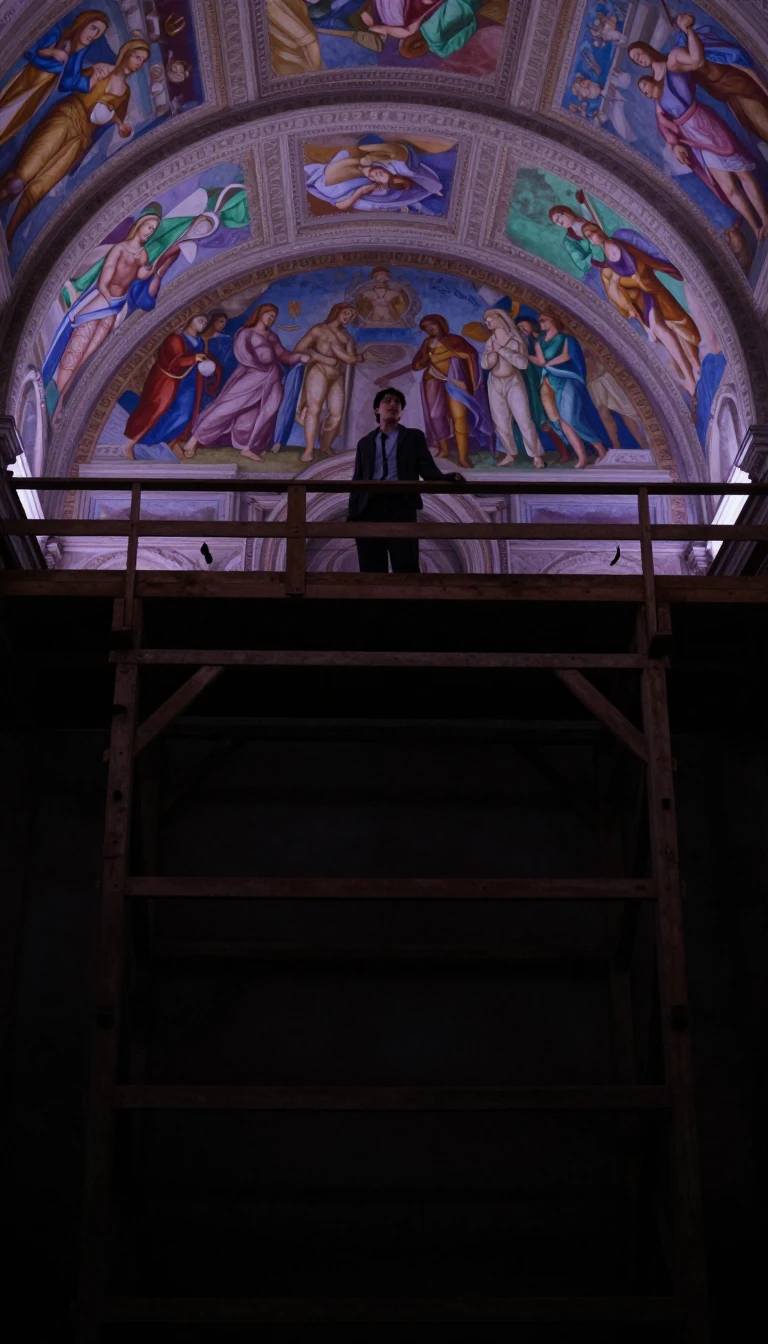 Why Pieter Bruegel the Elder painted a tower that could never actually standPieter Bruegel the Elder’s famous depictions of the Tower of Babel are masterpieces of engineering detail, yet they hide a structural impossibility. While the paintings appear to …
 Why René Magritte’s most famous painting insists that it is not a pipeRené Magritte’s 1929 masterpiece, The Treachery of Images, features a realistic tobacco pipe accompanied by the cursive text, This is not a pipe. By challenging the viewer to dist…
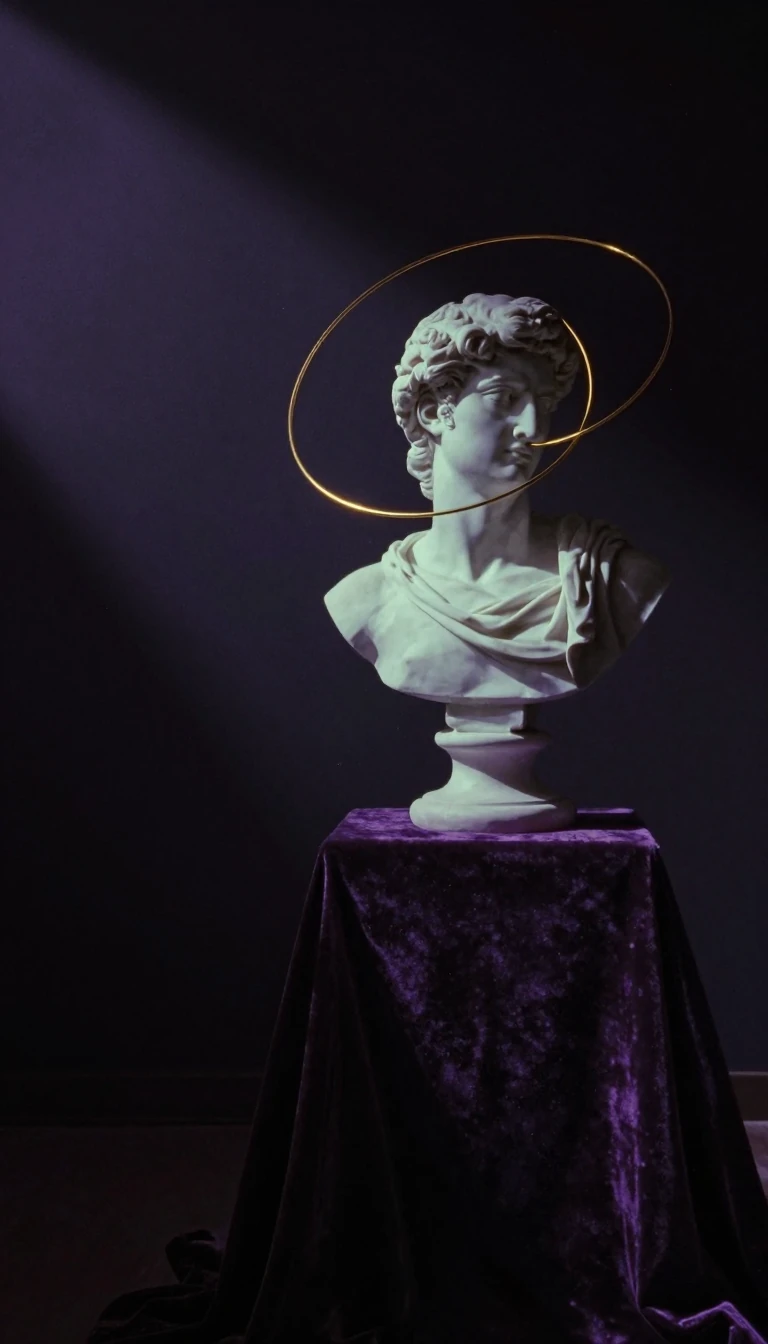 How Masaccio’s Tribute Money Transformed Western Art Through Revolutionary Perspective and Human RealismPainted between 1423 and 1427, Masaccio’s Tribute Money in Florence’s Brancacci Chapel fundamentally altered the trajectory of Western painting. By abandoning flat, decorative sty…
 Why Frida Kahlo painted two versions of herself after her divorce from Diego RiveraIn 1939, Frida Kahlo captured her fractured identity on a massive canvas. The Two Fridas depicts two versions of the artist—one in a traditional Tehuana ensemble and one in a Euro…
 A Pulitzer-winning photograph of a starving child sparked global outrage and deep moral questions.Kevin Carter’s 1993 image of a collapsed child and a lurking vulture became an iconic symbol of the Sudanese famine. While it moved the world to donate, it also ignited a fierce d…
 How a self-taught tax collector painted a jungle he never actually visitedHenri Rousseau never left France, yet his 1891 masterpiece, Tiger in a Tropical Storm, defined the exotic jungle aesthetic for a generation. By blending meticulous layering with a…
 Totem poles are not religious idols, but complex historical records carved from cedar trees.Contrary to popular belief, these monumental carvings are not objects of worship. Instead, they function as sophisticated visual archives, documenting clan lineages, family histor…
 Is Hieronymus Bosch’s masterpiece a surreal nightmare or a medical warning about ergotism?Hieronymus Bosch’s 1501 triptych, The Temptation of St. Anthony, is a dense forest of demons, flying fish, and burning cities. While it depicts the spiritual struggles of a desert…
 Why user experience design is about human behavior, not just pretty digital interfacesUser experience design is a multidisciplinary field rooted in ergonomics and human factors. It moves beyond mere aesthetics, using research and data analysis to shape how people i…
 User interface design is the invisible bridge between human intent and machine capability.Good interface design is a craft that hides itself. Whether you are navigating a smartphone, a car, or a virtual reality environment, the goal is to make your interaction so effic…
 The Victoria Memorial is England's tallest royal monument, born from an empire-wide fundraising effort.Standing at the end of The Mall, the Victoria Memorial is more than a statue; it is a massive, 2,300-tonne architectural centerpiece. Conceived after the Queen's death in 1901, th…
 Video art turned the television monitor into a canvas for experimental human expressionEmerging in the 1960s as portable recording technology became accessible, video art broke away from professional studios and theatrical conventions. By manipulating time, percepti…
 In 1897, a group of rebellious artists transformed Vienna by rejecting stale academic traditions.Tired of rigid artistic conventions, a group of progressive creators led by Gustav Klimt broke away to form the Vienna Secession. They championed a highly ornamental style and sou…
 The world's oldest surviving photograph required an exposure time lasting several days to capture.Captured in 1827 by Nicéphore Niépce, the oldest known photograph is a blurry, enigmatic view from a French estate window. While long thought to be an eight-hour exposure, modern …
 Is El Greco’s View of Toledo a literal city portrait or a spiritual vision?El Greco’s View of Toledo is one of Western art’s most celebrated landscapes, yet it defies reality. While the Castle of San Servando is accurately placed, the city itself is a re…
 Viking art was not just cold stone and metal; it was vibrant, painted, and complex.We often picture Viking artifacts as dull, weathered relics of metal and stone. In reality, these objects were once brightly painted, intricate, and deeply symbolic. Because wood,…
- Leonardo da Vinci painted two versions of the same scene, but why the differences?Leonardo da Vinci produced two distinct versions of The Virgin of the Rocks, sparking centuries of debate. While the Louvre version is celebrated as a masterpiece of the High Rena…
 The most famous image of the Holocaust features an anonymous boy whose identity remains unknown.A small child with hands raised in surrender, held at gunpoint by an SS officer, has become the enduring face of the six million Jews killed by the Nazis. Despite decades of specu…
 How a 1960s comic book panel became a monumental icon of pop artRoy Lichtenstein’s 1963 diptych Whaam! transformed a fleeting, low-brow comic book image into a massive, high-art statement. By scaling up a war scene to the size of a history pai…
 Whakairo: How Māori Carving Evolved from Tribal Identity to a Global RenaissanceWhakairo is the traditional Māori art of carving wood, stone, and bone. More than mere decoration, these intricate designs serve as vital vessels for tribal history and ancestral …
- Why the legend of Van Gogh's final painting is likely a mythWheatfield with Crows is often cited as Vincent van Gogh’s final work, a dramatic masterpiece painted moments before his death. Yet, historical evidence suggests this narrative is…
- The wheel of life: how a Victorian toy birthed the modern moving imageBefore cinema, there was the zoetrope. By spinning a cylinder of sequential images past vertical slits, this device tricked the human eye into perceiving fluid motion. From 19th-c…
 How wet plaster turns ancient pigments into permanent parts of a wallTrue fresco is not merely paint applied to a surface; it is a chemical transformation. By applying pigment to wet lime plaster, the art becomes an inseparable part of the architec…
- How a single altarpiece redefined the movement of the Italian RenaissanceIn 1516, Titian unveiled a masterpiece in Venice that shattered the era's quiet stillness. By replacing meditative saints with a whirlwind of agitated, monumental figures, he sign…
 How a single game designer used silence to teach a complex visual languageIn 2016, The Witness arrived with no instructions, no dialogue, and no tutorials. Instead, it relied on a profound experiment in non-verbal communication, forcing players to find …
 Can art exist without a purpose, or is that just a beautiful lie?The 19th-century slogan 'art for art's sake' proposed a radical idea: that true creativity is entirely independent of morality, politics, or social utility. But while some saw thi…
 Why Art Films Prioritize Aesthetic Expression Over the Conventional Hollywood Storytelling FormulaArt films are not merely movies; they are deliberate departures from the commercial machinery of mainstream cinema. By favoring authorial vision, experimental narrative structures…
- How Joseph Cornell turned postage stamps and peeling paint into a haunting memorialJoseph Cornell’s 1954 box construction, Ann—in Memory, is a sculpture that defies the traditional monument. By layering exotic postage stamps, aged newsprint, and flaking paint, C…
 The vertical bar is a silent workhorse across mathematics, computing, and global communication.Known as a pipe, a Sheffer stroke, or simply a bar, this unassuming glyph is a universal tool. From directing data between computer processes to defining set cardinality and quant…
 How a desperate Berlin theater project became a global socialist critique of capitalismWhen Bertolt Brecht failed to sell a different script in 1928, he pivoted to a loose adaptation of an old English ballad opera. The result, featuring music by Kurt Weill, shattere…
 Why does Botticelli’s Primavera feature five hundred plants but no clear story?Botticelli’s Primavera is a masterpiece of Renaissance enigma. While it depicts a lush garden filled with mythological figures, scholars have never found a single narrative that u…
 The invisible character that keeps your digital text from falling apartIn digital typesetting, the non-breaking space is a silent guardian of layout. While standard spaces allow software to reflow text whenever a line ends, this specific character an…
 The semicolon is a misunderstood bridge between the comma and the colonOften ignored by modern writers, the semicolon is a precise tool for linking closely related ideas. First appearing in 1496, this punctuation mark acts as a secondary boundary, of…
 From Monty Python Animator to Surrealist Filmmaker, the Singular Vision of Terry GilliamTerry Gilliam is a rare creative force who defined the visual language of Monty Python before launching a career as a director of dystopian, imaginative cinema. His work often pit…
 Why Hokusai’s legendary mountain prints are actually a collection of forty-six distinct viewsHokusai’s iconic series, Thirty-six Views of Mount Fuji, is a masterpiece of Japanese ukiyo-e art that redefined landscape printing. Produced when the artist was in his seventies,…
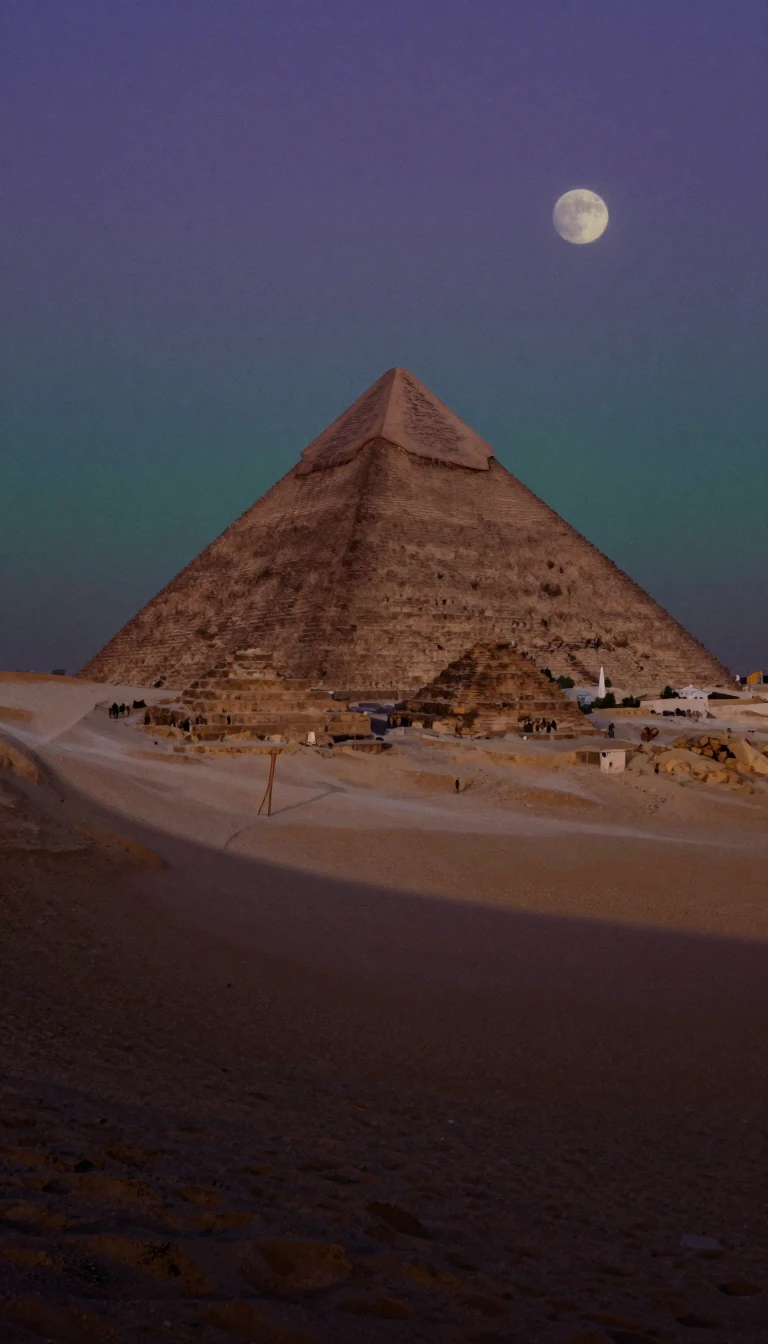 Why Ancient Egyptian Art Had No Word for Art and Remained Unchanged for MillenniaIn ancient Egypt, art was not a form of individual expression but a functional tool for maintaining cosmic order. Spanning from the 6th millennium BC to the 4th century AD, this c…
 The intelligentsia: A secular priesthood or a class of intellectual servants?Born in 18th-century Poland, the intelligentsia emerged as a distinct social stratum of university-educated professionals. Far from mere academics, they viewed themselves as a mor…
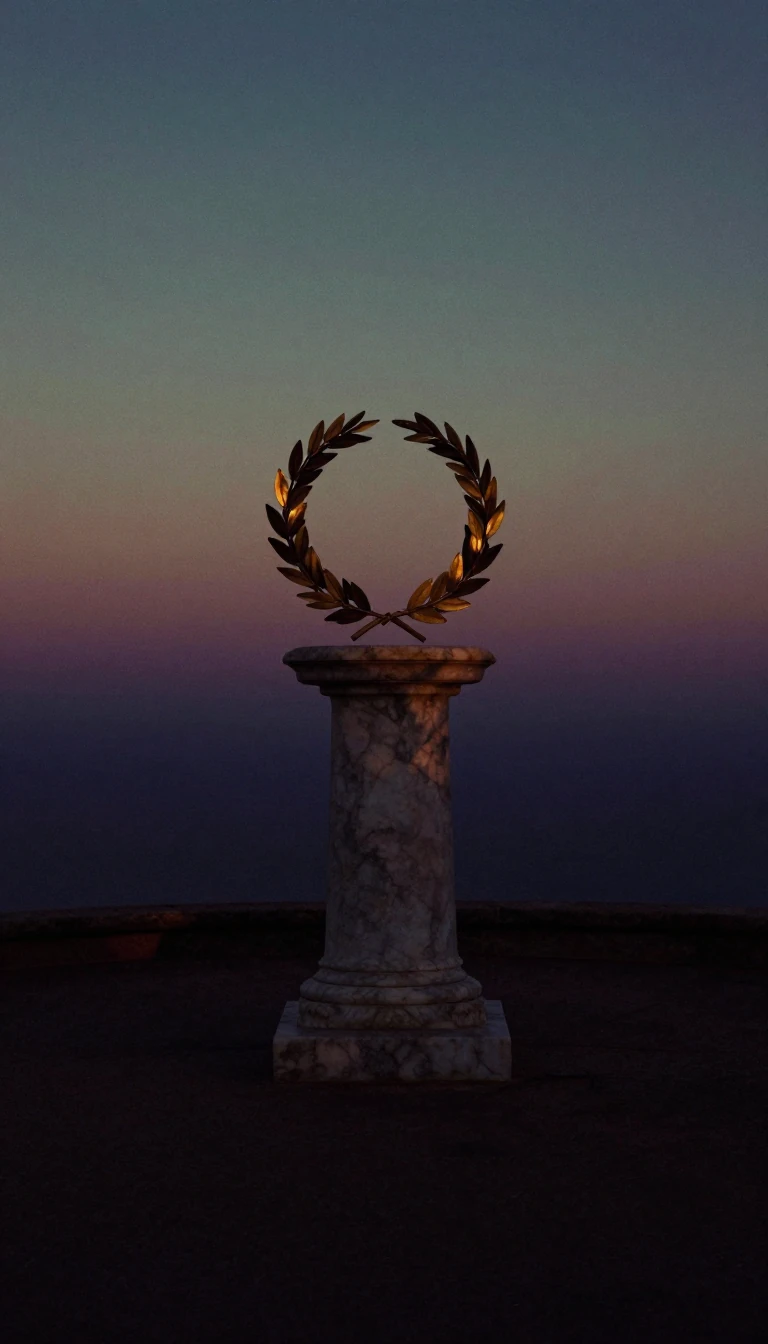 Why the ancient world believed the laurel tree was immune to lightning strikesFor centuries, the bay laurel was more than a kitchen herb; it was a sacred symbol of imperial power, divine favor, and spiritual protection. Ancient Romans believed the tree was …
 The humble bullet point has a surprisingly violent etymological history and digital evolutionBefore they were standard tools for organizing your notes, bullets were missiles. Derived from the French word for a small ball, these typographic markers have evolved from simple…
 Why do artists arrange elements to guide your eye across a canvas?Composition is the deliberate organization of an artwork, using elements like line, color, and space to direct the viewer's gaze. While artists often follow conventions like the r…
 Is fine art a timeless pursuit or a modern invention of the West?The definition of fine art has shifted from a focus on technical skill to the primacy of artistic intention. While once categorized by rigid hierarchies and utility, today's pract…
 How John Cassavetes built a one-man film empire by acting in Hollywood blockbusters.John Cassavetes is the father of American independent cinema, but he funded his raw, improvisational masterpieces by taking high-profile acting roles in studio hits like The Dirty…
 The Diet of Worms was a pivotal imperial assembly, not a biological experiment.When Martin Luther was summoned to the 1521 Diet of Worms, he faced the Holy Roman Empire’s highest authority. Despite the name, this was a formal political and religious meeting …
 How a former Antarctic researcher became the first woman to travel around the MoonChristina Koch’s path to the Moon was paved in the world’s most isolated corners. From wintering at the South Pole to setting records on the International Space Station, her caree…
 When a painter directs a biopic, does the art become a self-portrait?In 1996, Julian Schnabel made history as the first painter to write and direct a feature film about another painter. His biographical drama, Basquiat, aimed to memorialize the lif…
 Brian Cowen led Ireland through its most turbulent financial crisis in modern historyBrian Cowen rose from a local pub background to become Ireland's taoiseach during the 2008 global financial collapse. His tenure, defined by a forced international bailout and rec…
 Inside the Cold War bunker designed to survive a planetary nuclear holocaustBuried beneath 2,000 feet of granite, the Cheyenne Mountain Complex is a fortress built to withstand nuclear blasts and electromagnetic pulses. Originally established in 1967 to c…
- How a French car designer’s math trick became the foundation of modern digital design.Bézier curves are the invisible backbone of everything you see on a screen, from typography to animation. Developed in the 1960s to streamline the bodywork of Renault automobiles,…
 The Bloomsbury Group was never a formal club, but a network of radical friends.Often imagined as a rigid intellectual society, the Bloomsbury Group was actually a loose, shifting collective of artists, writers, and economists. Bound by personal history and a…
 Why Rome’s most famous triumphal arch might be a recycled masterpiece of political propagandaThe Arch of Constantine is a monumental paradox. While it celebrates a decisive imperial victory, much of its physical structure was scavenged from earlier monuments. This archite…
 How the Apple II transformed a hobbyist machine into a household applianceBefore the Apple II, computers were kits for tinkerers. Released in 1977, this machine arrived as a finished, user-friendly appliance that could plug into a television. It bridged…
 How a struggling theatre painter became the defining face of Art NouveauAlphonse Mucha rose from obscurity to define an era with his posters of idealized women. By blending sensuous, flowing lines with ornamental detail, he captured the spirit of Pari…
 Why Paris’s most iconic white basilica remains a lightning rod for political conflictPerched atop Montmartre, the Sacré-Cœur Basilica is a masterpiece of Romano-Byzantine architecture and a beloved Parisian landmark. Yet, beneath its gleaming white travertine exte…
 James Baldwin: The Writer Who Found His Voice by Escaping the American Racial NightmareJames Baldwin was a literary giant whose work defined the mid-20th-century American experience. Driven by the crushing weight of racial segregation and personal trauma, he fled to…
 The Republic of Texas was a sovereign nation defined by conflict and shifting borders.From 1836 to 1846, Texas existed as an independent country, yet its borders were never fully settled. Caught between the ambitions of settlers, the resistance of Mexico, and the p…
 Bret Easton Ellis: The Architect of Literary Satire and Interconnected Fictional UniversesBret Easton Ellis is a master of affectless prose, known for his controversial exploration of extreme violence and media-saturated celebrity culture. From his breakout debut at ag…