 Intellect Plus
Languages
1,420 cards. Each one is a 40-second story with a five-minute read behind it. Page 20 of 24.
 The tiny Pacific territory that is the world's first 100% solar-powered nationSpanning just 10 square kilometers, the three atolls of Tokelau face an uncertain future. While the territory leads the globe in renewable energy, its people navigate a complex id…
 How do you hear the difference between a piano and a guitar?Even when playing the exact same note at the same volume, a piano and a guitar sound entirely distinct. This auditory fingerprint is known as timbre. It is the invisible texture o…
 How we read the invisible architecture of the human mindWe cannot see thoughts, yet we navigate the world by assuming others have them. This cognitive superpower, known as Theory of Mind, allows us to predict behavior by inferring hidd…
 The Crown is not a person, but a legal corporationWhen you hear the term 'the Crown,' you might imagine a monarch in regalia. However, in constitutional law, it represents a sophisticated legal fiction: a corporation that separat…
 How a collection of thirteen colonies transformed into a transcontinental powerThe United States did not begin as a continental giant. From a 1776 declaration of independence to the acquisition of Pacific islands, the nation's borders expanded through strate…
 The mathematical DNA hidden within a single thread of tartanBeyond the iconic Scottish clans lies a complex geometric logic. Every tartan pattern, or 'sett', is a precise sequence of intersecting colored bands. From ancient Xinjiang weaves…
 How the physical fragility of palm leaves reshaped an ancient writing systemThe Tamil script is more than just a way to record language; it is a living record of material history. From the evolution of 'soul-letters' to the structural changes forced by th…
 The ancient script that shaped the way we read Hebrew and MongolianTracing its roots to the 1st century, the Syriac alphabet is far more than a relic of the past. This Semitic abjad, an offshoot of Aramaic, contains the DNA of diverse writing sys…
 Are you a student or a pupil? The answer depends on your geography.In much of the world, the label 'student' is a prestigious title reserved for those in higher education. Elsewhere, it is a broad term for any learner. From the UK to Nigeria, the…
 The hidden digital ghosts lurking at the end of the Unicode standardDeep within the Unicode architecture lies a specialized block of characters used for structural signaling and error handling. While most users only encounter them as broken symbol…
 The shifting sounds of the American SouthOnce a mosaic of diverse regional dialects, Southern American English has undergone a massive consolidation. From the influence of 17th-century immigrants to the impact of the Gre…
 The 160-character limit was a clever way to use unused digital spaceLong before WhatsApp, SMS revolutionized communication by hijacking the 'empty' signaling paths of cellular networks. Originally designed for carrier alerts rather than chatting, …
 The Caribbean island that once served as the American Revolution's secret warehouseIn 1776, a tiny, 21-square-kilometer island provided the gunpowder and arms that fueled the American fight for independence. Known as 'The Golden Rock,' Sint Eustatius was a vital…
 Beyond language: the shared DNA of the East Asian cultural sphereIt is more than just a collection of neighboring nations. From the way names are structured to the shared use of chopsticks, a deep-rooted cultural network once unified much of Ea…
- The centuries-old grammar rule that was actually a modern inventionWe often think of the singular 'they' as a recent linguistic trend. In reality, it has been part of the English language since the 14th century, surviving centuries of aggressive …
 The English landscape that inspired Tolkien, Dickens, and WodehouseBeyond its rolling hills and Roman ruins, Shropshire serves as a profound cultural crossroads. From the birth of the Industrial Revolution to the foundations of the modern Olympic…
 The ancient art of writing as fast as the human voiceBefore digital recording, the only way to capture a fleeting speech was through stenography. From Roman senators to 17th-century diarists, these specialized symbolic systems allow…
 The linguistic architecture of a language built on open syllablesSpoken by over 14 million people, Shona is a complex Bantu language defined by a rhythmic, flowing structure. While its standard form was codified in the mid-20th century, its tru…
 The dark, soot-stained history of the Irish shillelaghMore than a simple walking stick, the shillelagh was a weapon of ritualized violence. From chimney-cured blackthorn to the organized 'factions' of the 18th century, discover how t…
 The botanical identity of the Irish shamrock is a centuries-old mysteryIs the shamrock a specific plant, or just a linguistic misunderstanding? While we celebrate it as a national emblem, botanists have spent centuries debating whether it is clover, …
 It is not just migration; it is a structure designed to replace.While many confuse settlers with mere immigrants, true settler colonialism operates on a different logic. It is not just about moving to a new land, but about establishing a perma…
- The rare linguistic phenomenon of a language with two interchangeable alphabetsWhile most languages rely on a single script, Serbian is a rare example of synchronic digraphia. This means literate speakers can navigate both Cyrillic and Latin alphabets interc…
 Is there a biological deadline for mastering a new language?We often assume that learning a language is simply a matter of effort. However, neurobiology and linguistic research suggest that our brains may undergo a fundamental shift after …
 The maritime melting pot that created the Scouse accentIt is often ranked as one of Britain's friendliest accents, yet Scouse is famously difficult to understand. Born from a global trading hub, this distinctive dialect is a linguisti…
 The Highland identity was forged by more than just mountains and mistWhile we often romanticise the Scottish Highlands as a landscape of ancient clans and tartan, the region's true history is one of radical economic shifts, forced migrations, and a…
- The rise and fall of the Gaelic lingua francaOnce the dominant tongue of a kingdom, Scottish Gaelic has faced centuries of decline. From the expansion of the Pictish territories to the impact of the World Wars, discover how …
 Is Scots a separate language or merely an English dialect?With over 1.5 million speakers in Scotland, the status of the Scots language remains a fierce linguistic battleground. While some see a distinct Germanic sister to English, others…
 The liquid history of Scotland's 'water of life'Long before it was a global luxury, Scotch whisky was a medicinal 'aqua vitae' used in gunpowder production. From 15th-century monastic records to a massive 19th-century illicit t…
- How medieval scholars used logic to bridge the gap between faith and AristotleFor centuries, Scholasticism was dismissed as a collection of sterile, pedantic subtleties. Yet, this rigorous method of dialectical reasoning did more than just debate theology; …
 The living fossil of the Romance language familyWhile French and Spanish evolved through centuries of complex shifts, Sardinian remained remarkably anchored to its roots. Often described as the most conservative Romance languag…
 How a botched street grid and shifting languages shaped the American RivieraToday, Santa Barbara is a Mediterranean-style coastal jewel, but its history is a turbulent saga of Spanish missions, Mexican ranchos, and American conquest. From the displacement…
- The shipwrecked princess who reshaped the Scottish ChurchBorn in exile and driven to Scotland by a storm, Margaret of Wessex arrived as a refugee. Yet, this displaced English princess would become the 'Pearl of Scotland,' using her infl…
 From Henry VIII to foreign ownership: the long evolution of the Royal MailA postal service once used by spymasters to intercept secrets has undergone a radical transformation. From a 16th-century royal appointment to a £3.6 billion acquisition by a Czec…
 The disappearing 'r' that reshaped the English languageWhy do some English speakers say 'hard' while others say 'hahd'? This linguistic divide, known as rhoticity, isn't just about accent—it is the result of centuries of social shifts…
 The shifting borders of England: from Anglo-Saxon kingdoms to modern statistical regionsEngland’s map is far from static. From the ancient heptarchy of the 500s to the administrative experiments of the 1990s, the lines defining the nation have been constantly redrawn…
- The vanishing prestige of the King’s EnglishOnce the undisputed standard of the British elite, Received Pronunciation is losing its grip. From the halls of Oxford to the BBC studios, the accent that once signaled high socia…
 Before the alphabet, there was the rebusLong before modern emojis, humanity used a clever linguistic trick to bridge the gap between pictures and speech. By using symbols purely for their sounds rather than their meanin…
 The hidden history of the Sunshine State's complex colonial originsBeyond the postcard-perfect Great Barrier Reef lies a landscape shaped by profound upheaval. From the ancient arrival of Aboriginal peoples to the brutal frontier wars and the con…
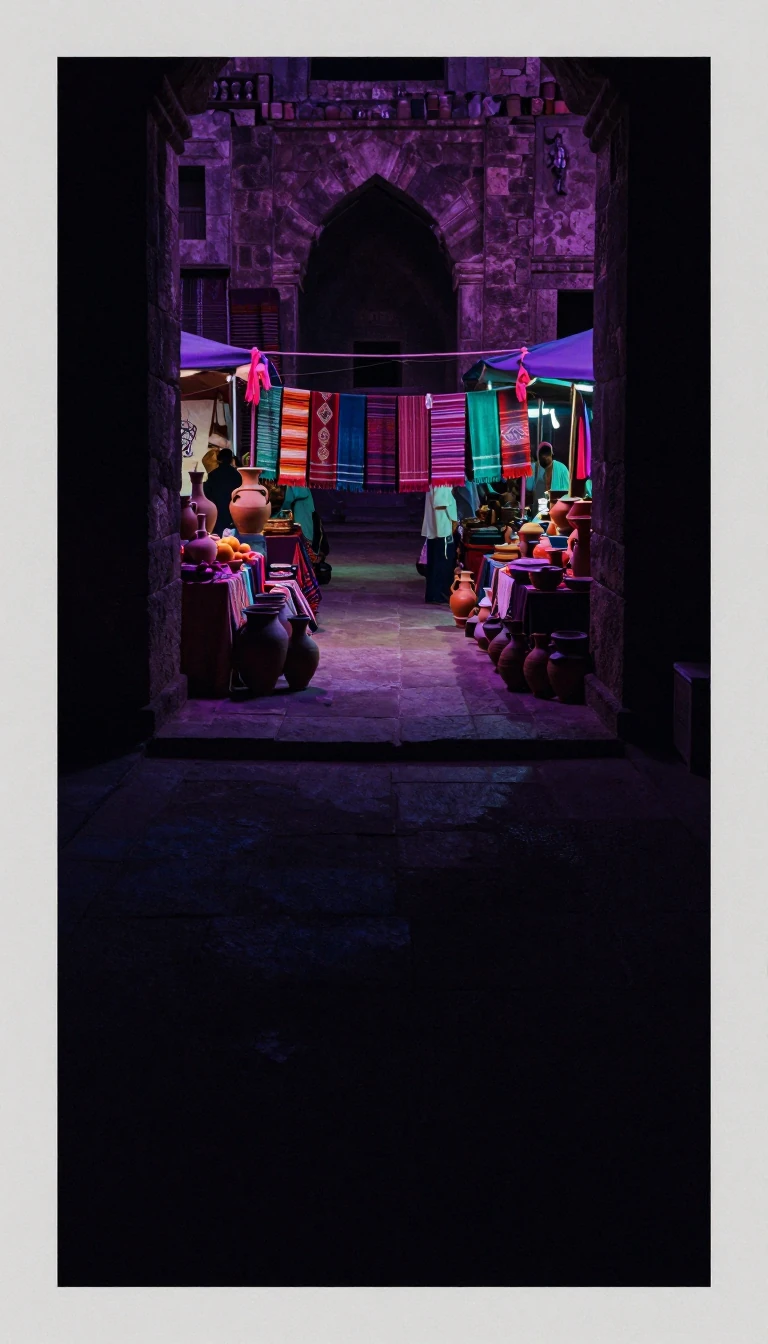 The lost voice of Carthage: how a Semitic tongue survived for centuriesLong after the Roman Republic destroyed Carthage in 146 BC, the Punic language refused to vanish. From the Mediterranean coasts to the libraries of North Africa, this descendant o…
 From 'Young Pig Lands' to UNESCO Sites: How Orkney's Name ChangedThe islands known today as Orkney have a history etched into their very name, shifting from references to 'young pigs' to classical geographical terms. This linguistic journey ref…
 Why the Irish word for province literally means a fifthToday, Ireland is divided into four provinces, but the ancient landscape was far more complex. The Irish term cúige translates to "fifth part," hinting at a legendary era of five …
 The ingenious way ancient miners repurposed Egyptian symbols to invent the alphabetLong before the Greek or Latin alphabets, a group of Middle Bronze Age workers found a way to simplify complex hieroglyphs. By repurposing Egyptian signs to represent sounds rathe…
 How a 17th-century land grab redesigned the face of UlsterIn the early 1600s, King James I orchestrated a massive colonial project to transform the Gaelic province of Ulster. By confiscating ancestral lands and importing English and Scot…
 From language preservation to governing Wales: the evolution of Plaid CymruBorn from a movement to protect the Welsh language, Plaid Cymru has transformed from a small group of intellectuals into a major political force. Once focused on linguistic surviv…
- The linguistic shorthand born from the necessity of tradeWhen two groups with no common tongue meet to trade, they don't just use gestures. They build something new: a pidgin. This improvised, simplified language emerges from contact, s…
 Was the lost language of the Picts a mysterious non-European relic?For centuries, scholars have debated whether the Picts spoke a Celtic tongue or a forgotten language isolate. From theories of Scythian migrations to mysterious Ogham inscriptions…
 More than just words: the ancient art of decoding human historyOften dismissed as mere nit-picking, philology is the profound study of how language evolves through time. By analyzing ancient manuscripts and oral traditions, philologists recon…
 The German dialect that isn't actually DutchDespite its name, Pennsylvania Dutch has almost no connection to the Netherlands. This resilient language is a living relic of 17th-century Palatine German, preserved for centurie…
 Was the American Peace actually a period of global stability?The term Pax Americana suggests a world of tranquility, but history tells a more complex story. From the Marshall Plan's economic recovery to the expansion of a colonial empire, t…
 The teacher who turned a language revival into a revolutionPatrick Pearse was more than a revolutionary leader. An educator and poet, he believed the survival of the Irish language was inseparable from the nation's identity. His attempt t…
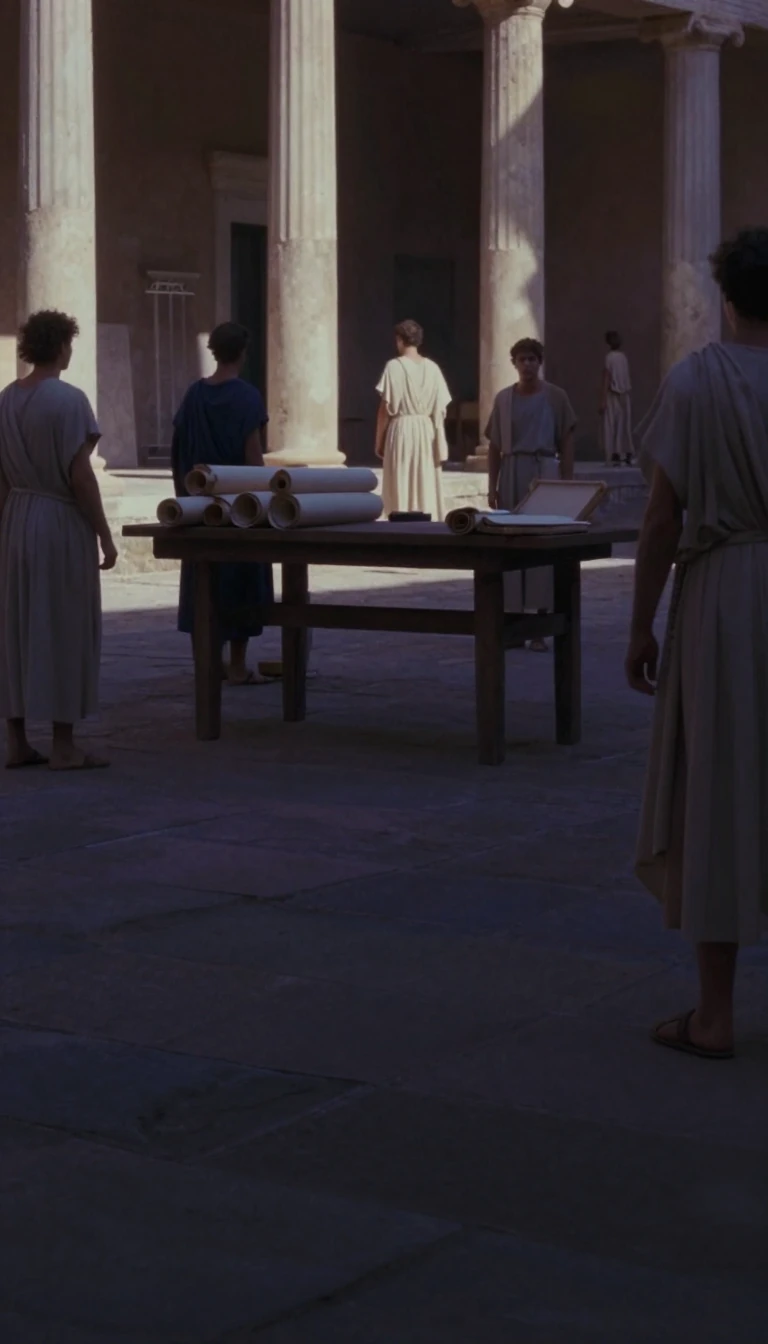 The hidden history written beneath the surface of ancient manuscriptsWhen parchment was too expensive to waste, scribes simply scraped away the old words to make room for the new. This practice created palimpsests: layered documents where lost trea…
- The ancient archipelago where the sea meets the deep-sea isleOff the northwest coast of Scotland lies a crescent of islands known as the Outer Hebrides. This is the traditional heartland of the Gaelic language, a landscape of prehistoric st…
- The 'Goths of the Rising Sun' and the lost kingdom of ItalyThey were once the masters of Italy, preserving Roman law while ruling as Germanic kings. But the name 'Ostrogoth' hides a complex story of tribal pride, shifting identities, and …
 What Does the Epsilon Vowel Tell Us About Language Structure?The sound represented by the symbol ⟨ɛ⟩ is a specific vowel sound, yet its precise placement—open-mid, front, unrounded—reveals structured information about the phonology of spoke…
- The ancient cracks that hold the DNA of the Chinese languageBefore paper and ink, the Shang dynasty spoke to the divine through fire and bone. By heating ox scapulae and tortoise shells, priests read the resulting cracks to predict the fut…
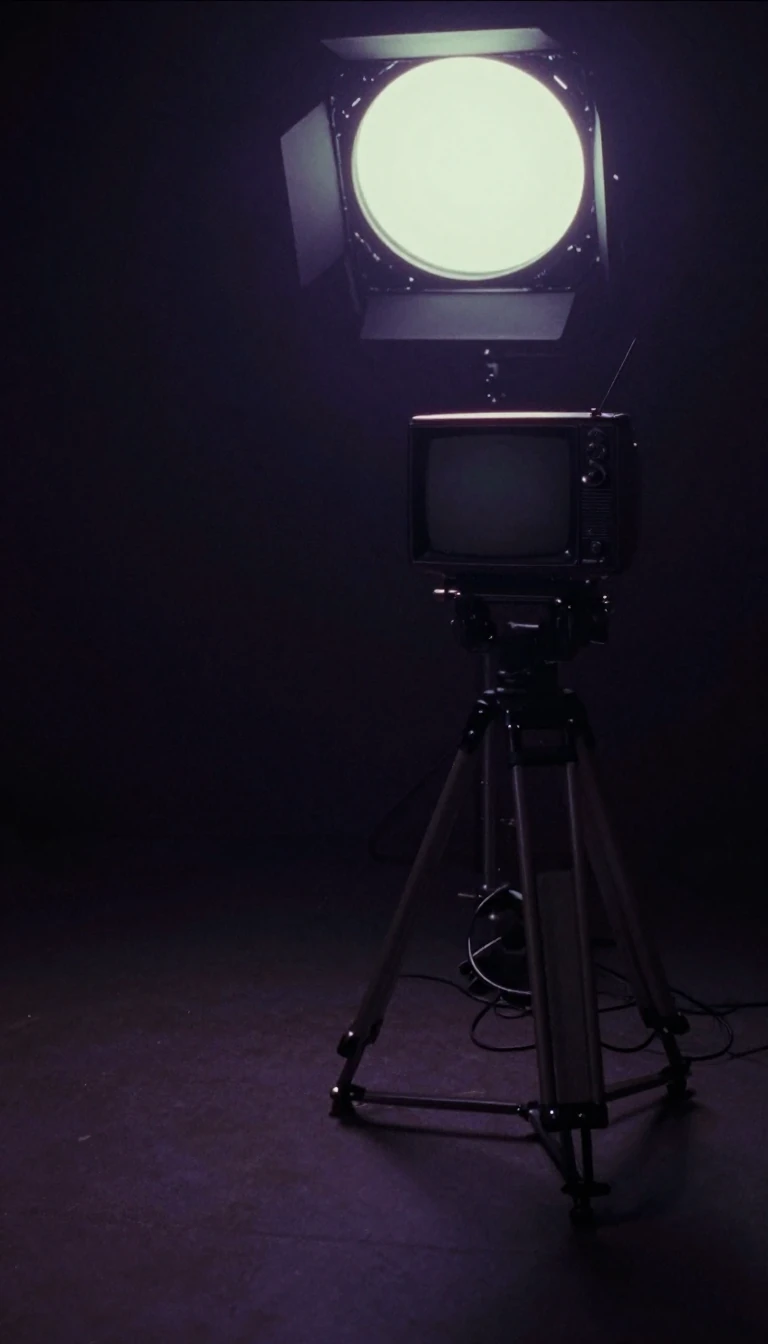 How a 1960s television experiment became the UK's largest universityIn 1969, a bold vision for social mobility was launched using abandoned BBC television studios. What began as a project to broadcast lectures via radio and TV has evolved into a g…
- How a corporate acquisition birthed a free software revolutionIn 1999, Sun Microsystems bought a proprietary suite for $59.5 million. Instead of hoarding the technology, they did something radical: they released the source code for free. Thi…
 The subtle mechanics of the 'open-o' vowel soundEver wondered why certain accents sound more 'rounded' than others? It often comes down to a single, precise tongue position. Known to linguists as the open-mid back rounded vowel…
- The phonetic anchor: why the letter 'a' is more than just a soundIn the complex map of human speech, one specific vowel serves as a fundamental reference point. Known as the open front unrounded vowel, this sound is a cornerstone of the Interna…
- The subtle anatomy of the open back unrounded vowelIn the complex architecture of human speech, a single vowel sound relies on a precise physical arrangement. Known by the symbol ⟨ɑ⟩, this sound is defined by how the tongue retrea…