 Intellect Plus
Languages
1,420 cards. Each one is a 40-second story with a five-minute read behind it. Page 23 of 24.
 The unexpected architects of African independence were often the colonial powers' own eliteWhile the mid-20th century saw a wave of violent revolts across Africa, the movement was fueled by a surprising paradox: a class of local leaders educated in Western universities.…
 The Norman prince who transformed Scotland through a revolution of powerHe was a king with a doubtful claim, an exile in England, and a man with a vision. Through the 'Davidian Revolution,' David I reshaped Scotland from a collection of territories in…
 The legal boundary that reshaped the English languageIn the late ninth century, a massive Viking invasion didn't just bring warfare to England; it brought a new legal order. The Danelaw emerged as a distinct territory where Danish l…
 How a 9th-century school shaped the writing of 252 million peopleBorn in the First Bulgarian Empire, the Cyrillic script replaced the Glagolitic alphabet to unify Slavic-speaking Orthodox Christians. Today, it spans Eurasia, serving as a founda…
 The rotating presidency that governs the European Union's legislative agendaEvery six months, a new nation takes the helm of the Council of the European Union. This rotating leadership manages everything from agricultural policy to international diplomacy…
 The 'Rebel City' that claims to be Ireland's real capitalFrom a 6th-century monastic settlement to a Viking trading port, Cork has a history of defiance. Known as 'the rebel city' for its role in the Wars of the Roses, this Irish hub ma…
 Is the 'Continent' actually just a matter of perspective?To a Briton, it is the land across the Channel. To a Swede, it is everything except Scandinavia. The definition of Continental Europe is surprisingly fluid, shifting based on geog…
 From mystical cant to Star Trek: the long history of invented languagesMost languages emerge naturally from human interaction, but some are meticulously designed. Whether created for divine revelation, philosophical precision, or cinematic worlds, th…
 Is the CSTO a powerful military alliance or merely a paper tiger?Modeled after NATO, the Collective Security Treaty Organization promises that an attack on one member is an attack on all. Yet, when borders are breached and ethnic violence erupt…
 The revolutionary technology that replaced the scroll and transformed the written wordBefore the printing press, a radical shift in book design changed how humans accessed knowledge. Moving from continuous scrolls to the bound codex offered something the ancient wo…
 The unbreakable language that secured decisive victories in the PacificDuring World War II, a specialized group of Native American soldiers turned indigenous languages into an unbreakable military tool. While machines took 30 minutes to process messa…
 The invisible art of shifting your identity to fit the roomIt is more than just changing your accent. From adjusting your vocabulary to altering your appearance, code-switching is a sophisticated tool used to navigate social hierarchies, …
 The unexpected origins of the Cockney identityBefore it defined a Londoner, the word Cockney meant a small, misshapen egg. From its roots as a pejorative for pampered children to its modern status as a symbol of East End prid…
 The linguistic evolution of a word once meaning nothing at allThe word 'cipher' traces its lineage back to the Sanskrit word for zero. In the Middle Ages, as the concept of zero traveled from Arabic to Europe, it was so baffling to Western m…
 The social gathering that was once much more than just a danceBefore it became synonymous with lively footwork and spinning partners, the cèilidh was a quiet, intimate affair. Rooted in the concept of a 'companion,' these gatherings were ori…
 The Kirk: A national church shaped by rebellion and reformWith 229,000 members, the Church of Scotland is more than a denomination; it is a cornerstone of national identity. From the radical 1560 Reformation to centuries of bitter power …
 From Hells Angels president to Hollywood star: the many lives of Chuck ZitoHe was a high-ranking outlaw biker, a professional boxer, and a federal inmate. Yet, Chuck Zito transitioned from the gritty underworld of the New York Hells Angels to the bright …
- How a single story can distort our entire understanding of a cultureWhen Chimamanda Ngozi Adichie was a child, she only read English-language books about white, blue-eyed characters. It wasn't until she discovered African literature that her persp…
 How an illiterate man built a writing system that outpaced the English alphabetIn the early 19th century, Sequoyah transformed the Cherokee Nation. Without prior knowledge of English or literacy, he engineered a syllabary so efficient that a Cherokee student…
 The man who taught a nation to read without ever learning to readIn the early 1800s, Sequoyah achieved the impossible. Without prior literacy in any script, he invented a writing system so efficient that Cherokee citizens could master reading i…
 The massive working-class movement that almost rewrote British democracyBetween 1838 and 1857, a powerful wave of protest swept through the United Kingdom. Driven by economic hardship and a sense of political betrayal, millions of people demanded a vo…
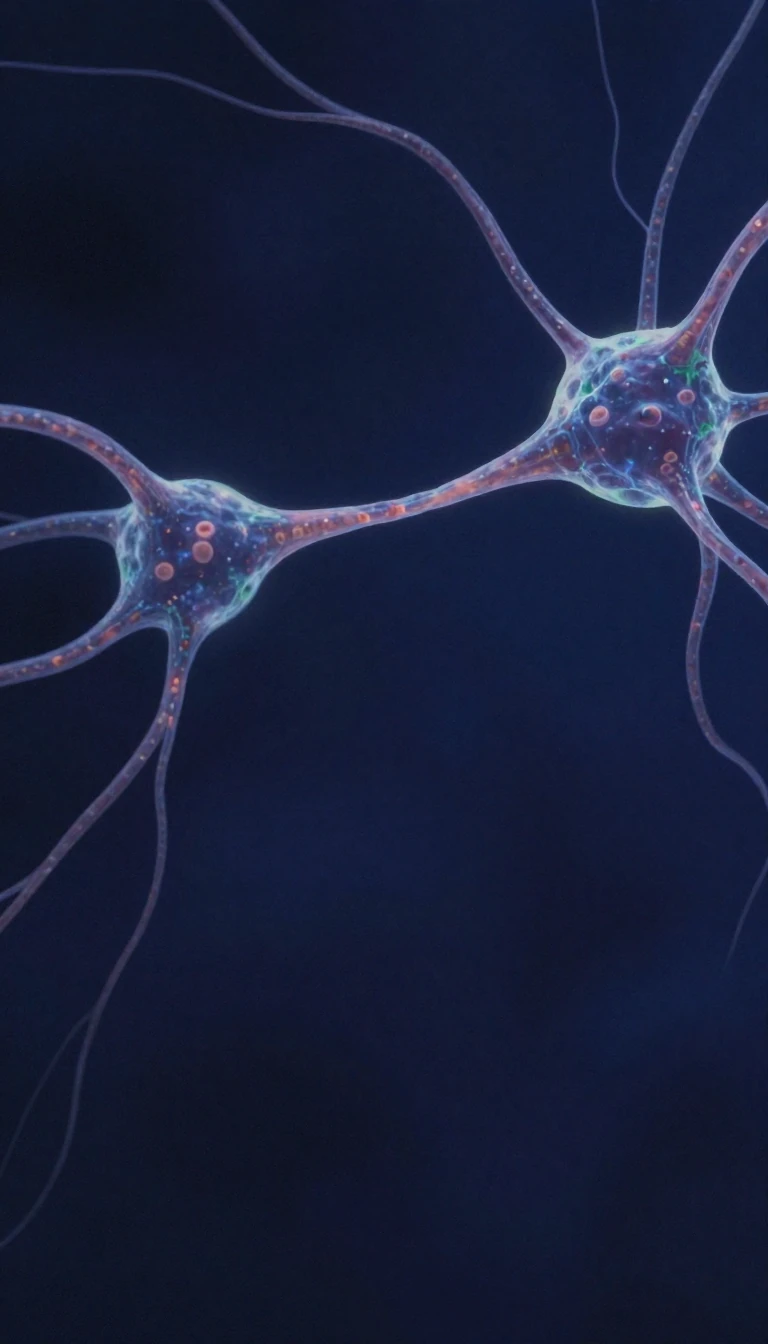 The invisible cushion keeping your brain from crushing itselfYour brain weighs about 1,500 grams, yet it floats in a state of neutral buoyancy. Without a specialized, clear fluid acting as a shock absorber, the sheer weight of your own neur…
- The architectural secret behind the iconic ringed Celtic crossIt is a symbol of ancient heritage, yet its most famous feature may have started as a simple engineering fix. While we often view the Celtic cross as purely spiritual, the ring su…
 The myth of a separate Celtic ChurchFor centuries, we believed in a defiant 'Celtic Church'—a spiritual, nature-loving rebellion against Roman authority. But modern historians are dismantling this romantic legend. W…
- Did the Bretons of France actually name this Canadian island?The name 'Cape Breton' suggests a deep connection to northwestern France. While some historians believe the name honors the Bretons, others argue it might actually be a linguistic…
 The maritime trade route that shaped a global languageFrom the bustling ports of the Pearl River Delta to the Chinatowns of the West, Cantonese has long been a global lingua franca. While often mistaken for a mere dialect, its histor…
- Is Canadian English actually a distinct language or just a linguistic hybrid?Often mistaken for a mere American dialect, Canadian English is a complex mosaic. It blends British structures, American vocabulary, and French and Indigenous influences into a un…
 The Mediterranean capital that was once a layer of human historyBeneath the Art Nouveau facades of Cagliari lies five millennia of continuous settlement. From Neolithic relics to Roman amphitheaters and Pisan towers, this Sardinian hub has bee…
 The shifting borders of a vanished empireBefore the United States existed, a vast, ever-changing patchwork of territories known as British North America stretched across the continent. From the wreckage of shipwrecks in …
 Why does the word 'bouba' feel so much rounder than 'kiki'?For nearly a century, scientists have been fascinated by a strange mental glitch: our tendency to map jagged shapes to sharp sounds and soft sounds to curves. This isn't just a qu…
 How a single book redefined the English language and identityIt began as a temporary religious experiment in 1549. Yet, through centuries of political upheaval and royal shifts, the Book of Common Prayer became so deeply embedded in the Eng…
 How a simple linguistic joke helped democratize the entire internetBefore the late 1990s, publishing online required technical mastery of HTML and FTP. Today, billions of posts flow seamlessly. The transition from elite hacker diaries to a global…
- The heavy, woven script that shaped European identityFar from being merely a decorative relic, Blackletter was the typographic backbone of Europe for centuries. From the Gutenberg Bible to modern newspaper logos, this dense, compres…
- Was the ancient festival of Beltane a celebration of life or a ritual of death?To the ancient Gaels, May 1st marked the arrival of summer and the movement of cattle to high pastures. Yet, beneath the bright flowers and bonfires lies a linguistic mystery: doe…
 The ancient Philippine script that was once a tool for women's devotionLong before the Latin alphabet dominated the Philippines, the Baybayin script flourished across the archipelago. While often mistaken for an Arabic-derived system, this elegant ab…
 Is it a dialect or a separate language?Spoken by 12 million people across Southern Germany, Austria, and Italy, Bavarian defies easy classification. While many label it a German dialect, its linguistic distance from St…
 The last surviving echo of prehistoric EuropeWhile most European languages belong to the Indo-European family, one language stands entirely alone. Basque is a linguistic island, a living remnant of the tongues spoken before …
 How a desperate war loan created the world's most influential central bankIn 1694, the English government was broke and facing a naval crisis against France. To fund a massive military expansion, they turned to private investors, creating a financial in…
 The last living remnants of the medieval Duchy of NormandyWhile mainland Normandy fell to France in 1204, a small cluster of islands remained loyal to the English Crown. Today, the Bailiwick of Guernsey exists as a unique constitutional …
 The ancient roots of the modern liberal arts degreeLong before it became a standard undergraduate credential, the Bachelor of Arts was a way to master the essential branches of human knowledge. From medieval logic to Renaissance p…
 How a 1788 penal colony forged a unique national tongueAustralian English wasn't born from a single source, but from a linguistic melting pot. From the First Fleet's arrival to the 1850s gold rushes, a collision of British, Irish, and…
 The hidden architecture of your most enduring mental evaluationsWe often believe our preferences are simple likes or dislikes. In reality, attitudes are complex psychological structures that organize the chaos of the world, acting as cognitive…
- How a group of Yorkshire dairy farmers built a retail empireFrom a 1949 merger of West Riding farmers to a multi-billion pound acquisition by Walmart, the history of Asda is a masterclass in corporate evolution, aggressive expansion, and o…
- The architect who abandoned blueprints to scream from the rooftopsArundhati Roy achieved global fame with a single, dazzling novel. Yet, her true legacy lies in the controversies that followed: charges of sedition, a day in prison, and a life sp…
- The invisible grammar that defines our realityWhen you ask for 'a book', you accept anything; ask for 'the book', and you demand a specific one. These tiny words, known as articles, do much more than just introduce nouns. The…
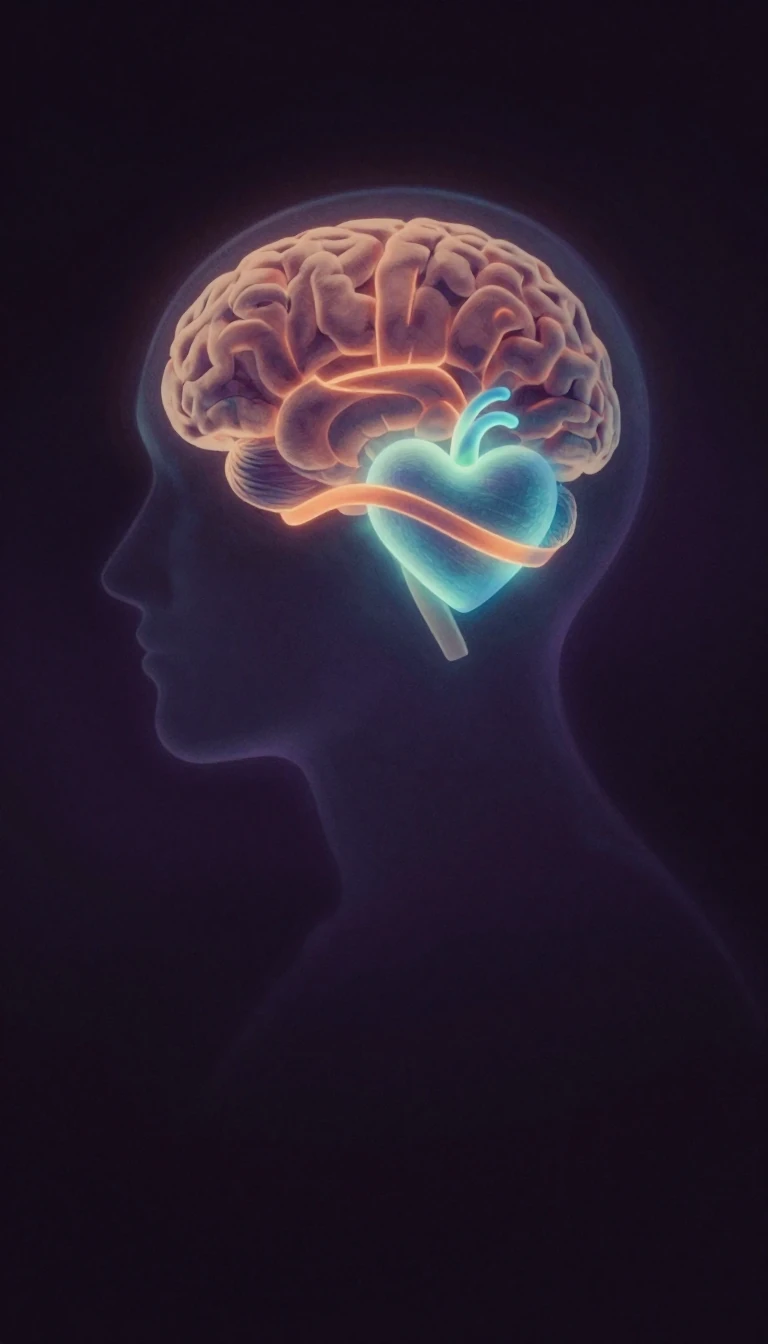 The electrical glitch that can stop a heart in its tracksMost heartbeats follow a precise, synchronized rhythm. But when the heart's internal wiring falters, the results can range from a harmless flutter to sudden death. Understanding t…
- Was the Armenian alphabet actually invented in 405 AD?While tradition credits the monk Mesrop Mashtots with creating the Armenian script in 405 AD, historical clues suggest a much older story. From Roman chronicles to gold-encrusted …
- The ancient script that unified empires and shaped modern writingLong before the digital age, a single alphabet acted as the administrative glue for the world's greatest empires. From the Persian Achaemenids to the foundations of modern Hebrew …
 The hidden architecture of the Arabic abjadAt first glance, Arabic script appears as a fluid, continuous stream of connected letters. Yet, beneath this elegant cursive lies a complex system of dots and hidden vowels that c…
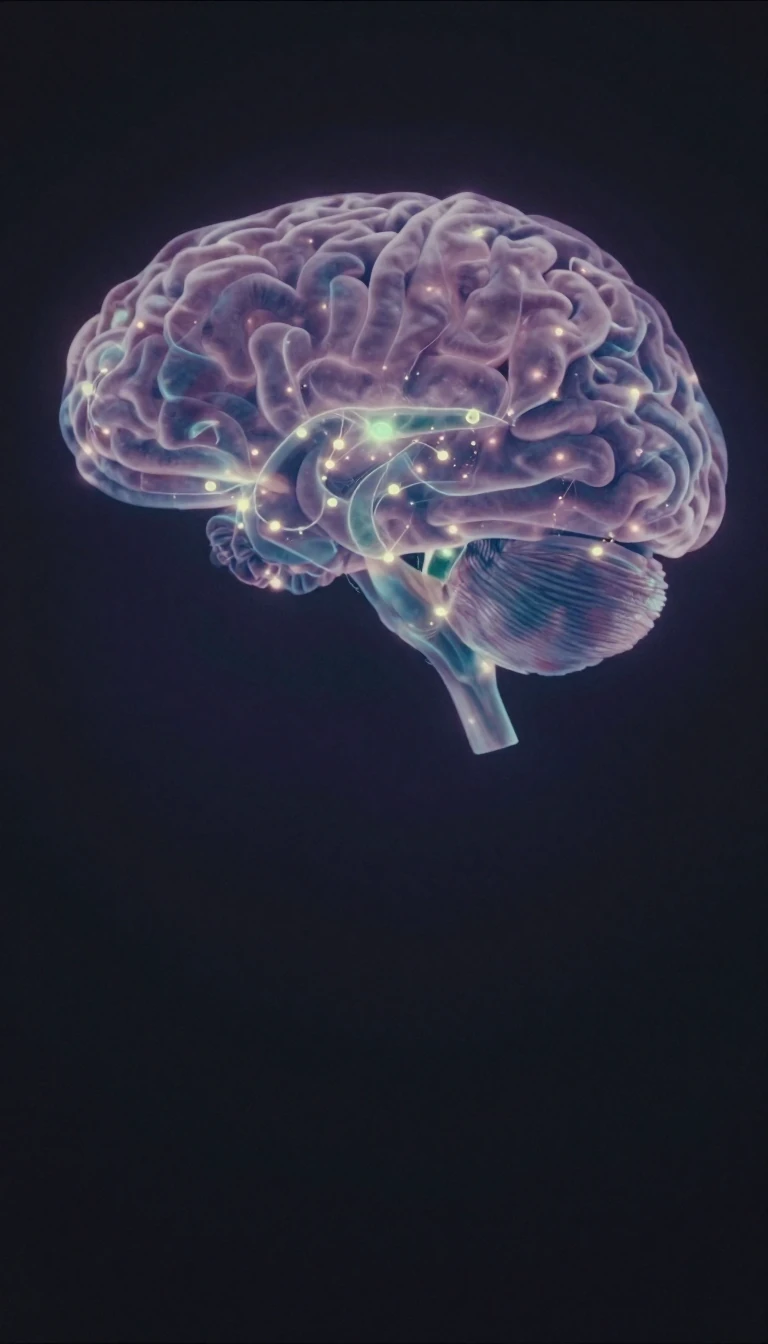 The mind remains intact even when the words vanishAphasia is often mistaken for a loss of intelligence or consciousness. In reality, the person's intellect remains unaffected, even as they struggle to find a single name for a pen…
- Is the Anglosphere a modern alliance or a romanticized imperial ghost?Beyond shared language, a powerful network of nations maintains deep military and economic ties. While some see a vital modern partnership for security and trade, critics argue th…
 Did a single invasion create the English nation?For centuries, we believed a coordinated wave of Germanic invaders swept across Britain, violently displacing the native Britons. But modern DNA, archaeology, and linguistics are …
- The expanding alphabet that survived the arrival of the Latin scriptLong before the Norman Conquest, a unique runic system known as the Futhorc flourished across Britain and Frisia. Far from being a primitive precursor, this evolving alphabet expa…
- The papal bull that launched an invasion of IrelandIn the late 12th century, a displaced Irish king sought vengeance, but he found something much more permanent. What began as a mercenary contract for a lost throne evolved into an…
 The three-hour choice that ignited a civil warIn the early hours of December 6, 1921, Irish negotiators faced a harrowing ultimatum. Faced with the threat of immediate, large-scale warfare from the British government, they si…
- The Germanic tribe whose name became the very identity of EnglandLong before the modern nation-state, a group of Germanic settlers known as the Angles migrated to Britain. Their migration reshaped the island's linguistic and political landscape…
 How rapid contact and colonial expansion birthed a new family of languagesWhen different cultures collide, they often create a third, entirely new way to speak. These are creole languages—stable, complex systems that emerged from the simplified pidgins …
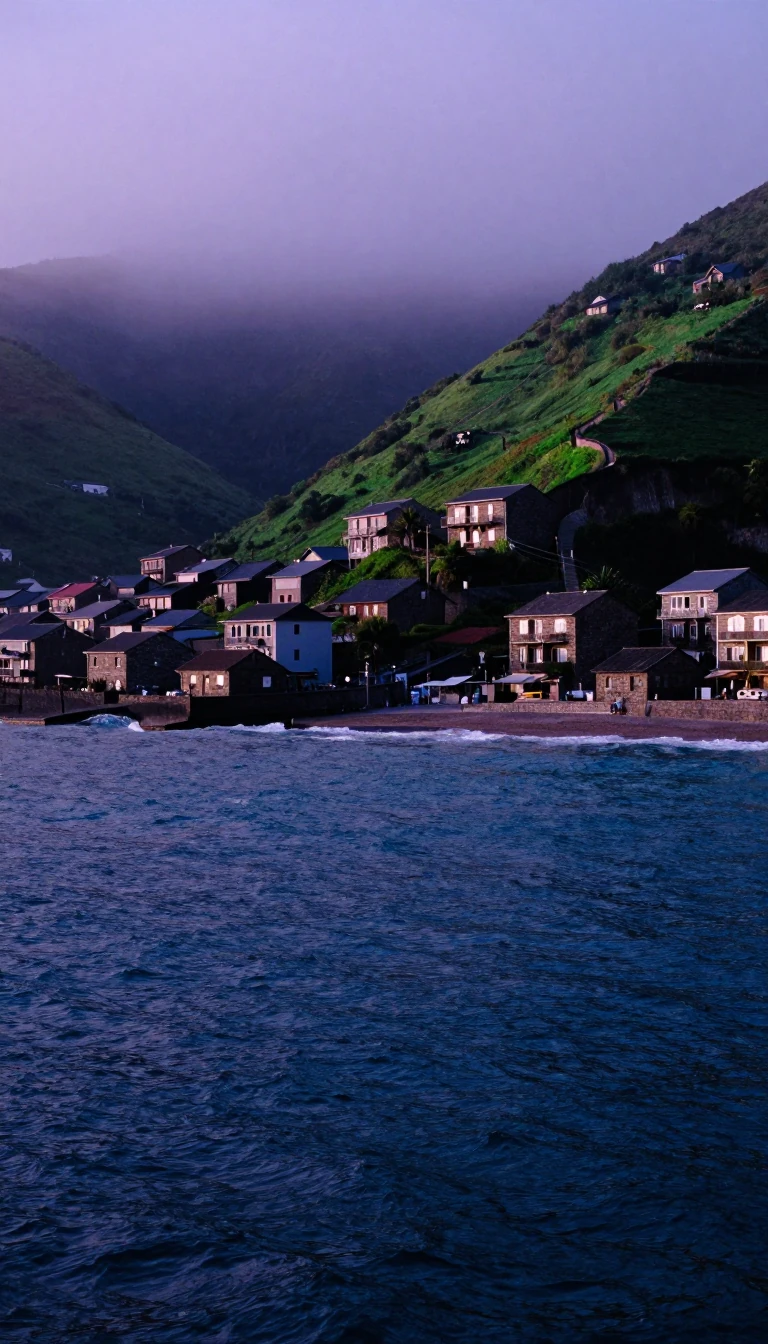 The island that holds the heart of the Welsh languageWhile much of Wales has seen its linguistic traditions shift, one island remains a vital stronghold. Anglesey, or Ynys Môn, preserves a deep cultural heritage, boasting the second…
 The 16,000-year-old linguistic divide in the Andaman IslandsDeep in the northeastern Indian Ocean, an archipelago of 200 islands holds a genetic and linguistic mystery. While modern borders divide these lands between India and Myanmar, the…
- The ampersand is not a letter, but a linguistic relicWe often treat the ampersand as a 27th letter of the alphabet, but its true origin is much more ancient. It is not a standalone character, but a visual fusion of two Latin letters…