 Intellect Plus
Skin & hair
17 cards. Each one is a 40-second story with a five-minute read behind it.
 The compulsive cycle of trichotillomania: why it's more than just a bad habitFor many, hair-pulling or skin-picking isn't a simple choice; it is a complex neuropsychiatric disorder. These behaviors often follow a specific ritual—a build-up of tension follo…
 The biological architecture of human hair and skin appendagesThis lecture explores the complex anatomy of hair as a specialized skin appendage. It provides a medical overview of how these structures are formed, organized, and integrated int…
 Why your hair and skin might be signaling a hidden mineral imbalanceYour body lacks an internal mechanism to regulate how it eliminates iron, making balance critical. When levels drop too low, the physical evidence often appears first in your appe…
 The subtle visual cues that reveal a patient's internal healthNurses use specific visual markers on the skin, hair, and nails to diagnose underlying medical conditions. This video teaches you how to identify critical signs like jaundice and …
 Why dark skin offers superior protection but faces unique clinical hurdlesMelanin is often discussed as a simple pigment, but its role in human biology is far more complex. While it provides significant advantages against environmental damage and aging,…
 Mastering Clinical Terminology for Skin, Hair, and Nail AssessmentsThis tutorial breaks down the essential terminology required for nursing exams and clinical practice. It focuses on identifying specific skin conditions to help students succeed i…
 Your scalp is a rotating factory of life and deathWhile your hair seems like a static feature, it is actually a dynamic biological conveyor belt. Every strand on your head is at a different stage of a rigorous lifecycle, moving f…
 Why some nervous habits are actually complex neurological disordersBiting your nails or picking at your skin might feel like a simple way to pass the time, but for many, these actions are driven by intense, uncontrollable urges. Research suggests…
 A 12-year odyssey retracing the first human migration out of AfricaImagine a journey so slow it becomes a way of life. Paul Salopek has spent over a decade walking the planet at the pace of his own footsteps, weaving a global mosaic of human stor…
 How 11.5 million leaked files exposed global wealth and tax havensA massive leak from a single law firm revealed how some of the world's most powerful individuals hide their riches. By sifting through millions of confidential documents, an inter…
 To be Kakutani'ed: the critic who became a verbFor thirty-eight years, Michiko Kakutani’s reviews could elevate a writer to stardom or induce pure despair. Known for a piercing, third-person style that avoided the personal 'I'…
 The high-speed machinery of modern digital content creationIn 2013, a founder claimed that women in their 20s had nothing to read on the internet. He set out to change that by building a content machine designed to capture every trending …
 How one journalist turned a pandemic into a Pulitzer Prize-winning masterclassIn an era of press-release journalism and information overload, Ed Yong emerged as a steadying force. By synthesizing vast amounts of complex data into clear, human narratives, he…
 Can electricity replace your willpower when muscles refuse to move?When a spinal cord injury or stroke severs the brain's connection to the body, Functional Electrical Stimulation (FES) acts as a bypass. By sending targeted electrical impulses di…
 A birthmark that reveals a hidden map of blood vesselsSturge-Weber syndrome often begins as a visible port-wine stain on a child's face. But beneath the skin, this rare condition creates a complex network of vascular abnormalities th…
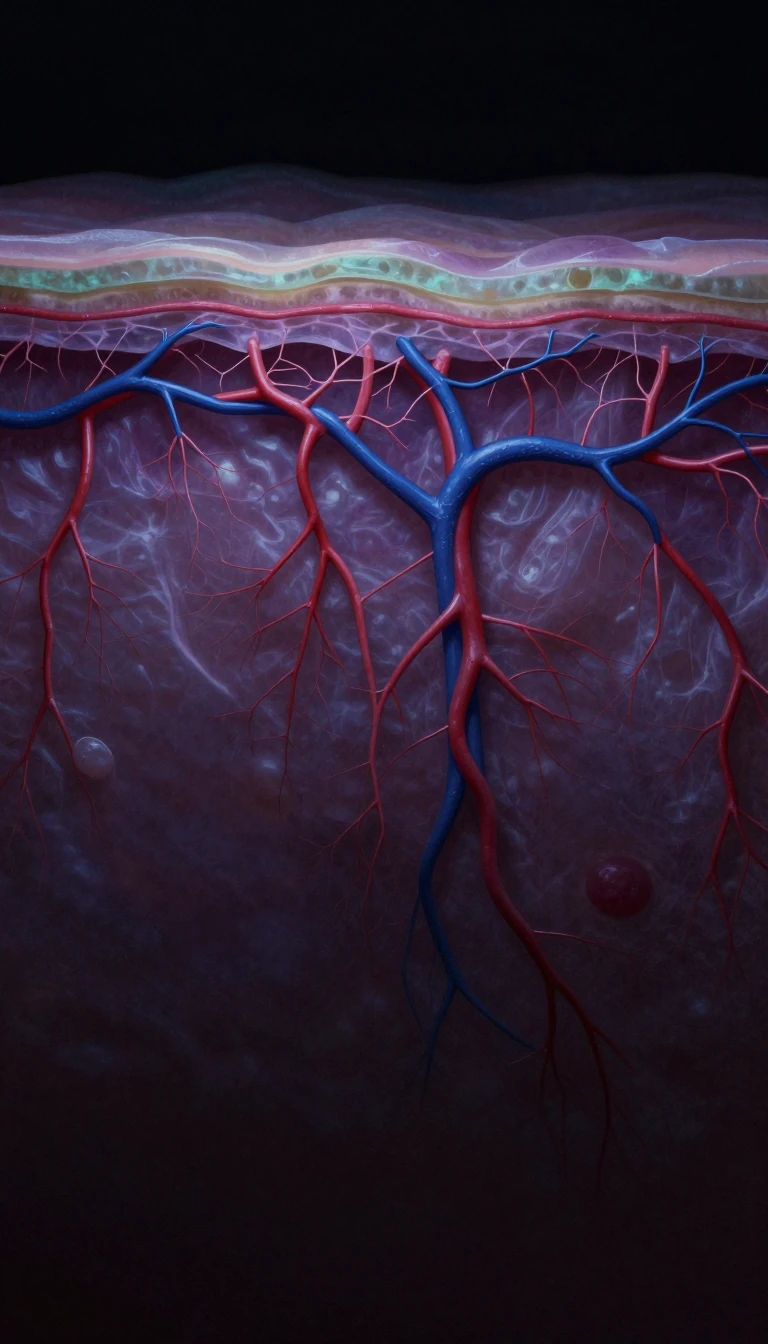 Your birthmark is a map of fetal development gone slightly awryBirthmarks are more than just unique skin patterns; they are physical records of how your body formed in the womb. From clusters of pigment cells to complex networks of blood vess…
 Why medical training often fails patients with darker skin tonesWhen doctors look for redness to identify inflammation, they may be looking for the wrong color. A significant gap in dermatological training and textbook imagery means many clini…