Your birthmark is a map of fetal development gone slightly awry
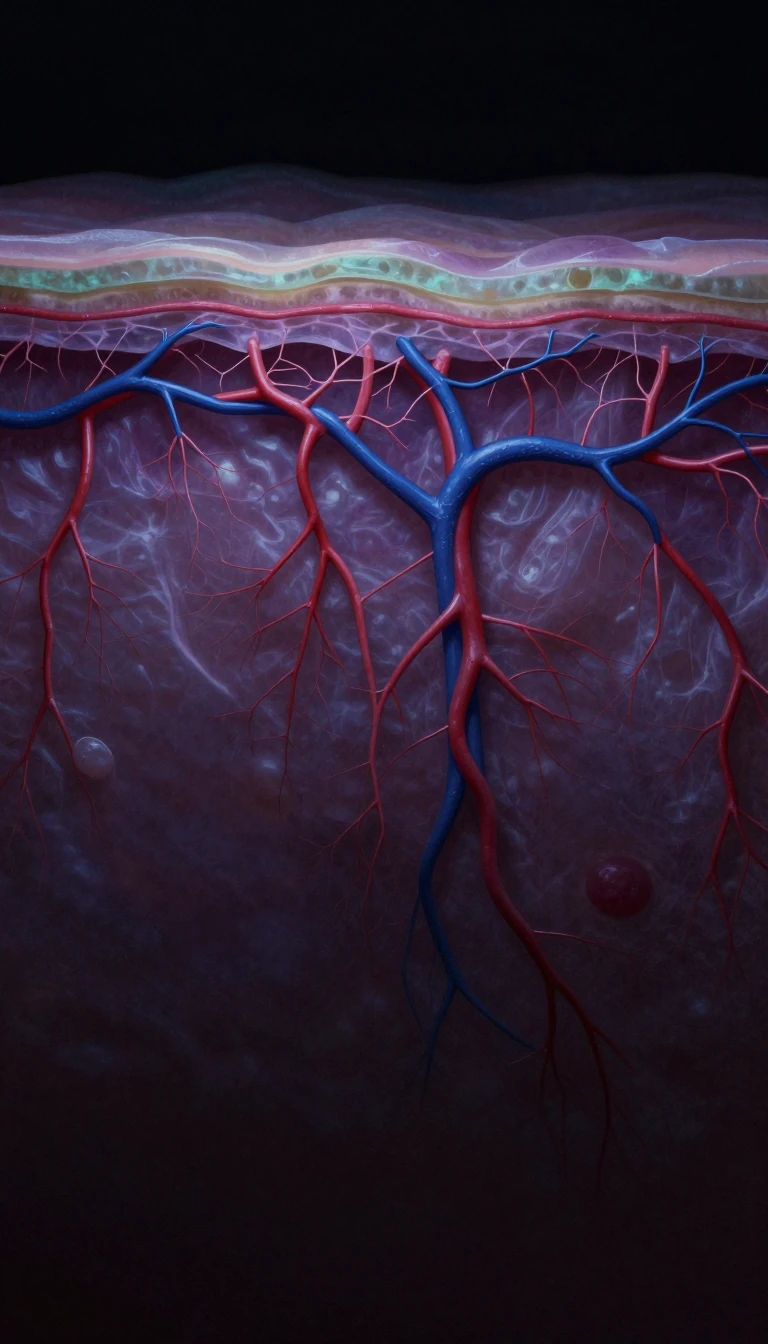
In short: Birthmarks are more than just unique skin patterns; they are physical records of how your body formed in the womb. From clusters of pigment cells to complex networks of blood vessels, these marks reveal the intricate, sometimes unpredictable mechanics of fetal growth and cell migration.
Birthmarks are generally benign irregularities that appear at birth or within the first month of life. They are categorized into two primary types: vascular and pigmented. Vascular birthmarks, often called 'red birthmarks,' occur when blood vessels do not form as expected during fetal development. These range from salmon patches—small capillaries visible through the skin that affect 30% to 50% of newborns in the U.S.—to more complex structures like strawberry hemangiomas, which are raised lumps of closely packed vessels that typically grow rapidly for 6 to 12 months before fading by age 7 or 9.
Pigmented birthmarks, conversely, are caused by clusters of melanocytes, the cells responsible for skin color. These can appear as café-au-lait spots (light brown oval patches), Mongolian spots (bluish marks common in East African and Native American populations), or congenital nevi. While most are harmless, certain pigmented marks require clinical attention. For instance, congenital nevi larger than 20 centimeters carry an increased risk of developing into skin cancer, and having six or more café-au-lait spots larger than a quarter can be a sign of neurofibromatosis.
The clinical significance of a birthmark often depends on its underlying structure. Port-wine stains, which are permanent dilated capillaries, can sometimes signal rare underlying conditions like Sturge-Weber syndrome. Because some marks can be associated with neurological damage or vision threats, medical professionals emphasize the importance of monitoring changes in size, color, or texture. Understanding these marks provides a window into the delicate balance of factors that control how our skin cells migrate and develop before we ever take our first breath.
Opens the Intellect+ feed with this card first. Swipe up for the next one.
Sources
- Summary by Intellect · source: Birthmarks
- Also: Birthmark
To cite this card, link to https://intellectplus.co.uk/app/health-birthmark.
How we source, check and correct cards: Editorial standards.
General information, not professional advice. Spotted an error? Flag the card or see corrections and complaints.
Intellect Plus is a visual educational discovery platform for exploring fascinating facts and ideas. Brain Food, Not Brain Rot. What is Intellect Plus?
Related
More in Skin & hair · More in Health · Latest · A–Z · All topics
