Ancient Egyptian royal history is being rewritten through modern chemical analysis of painted surfaces.
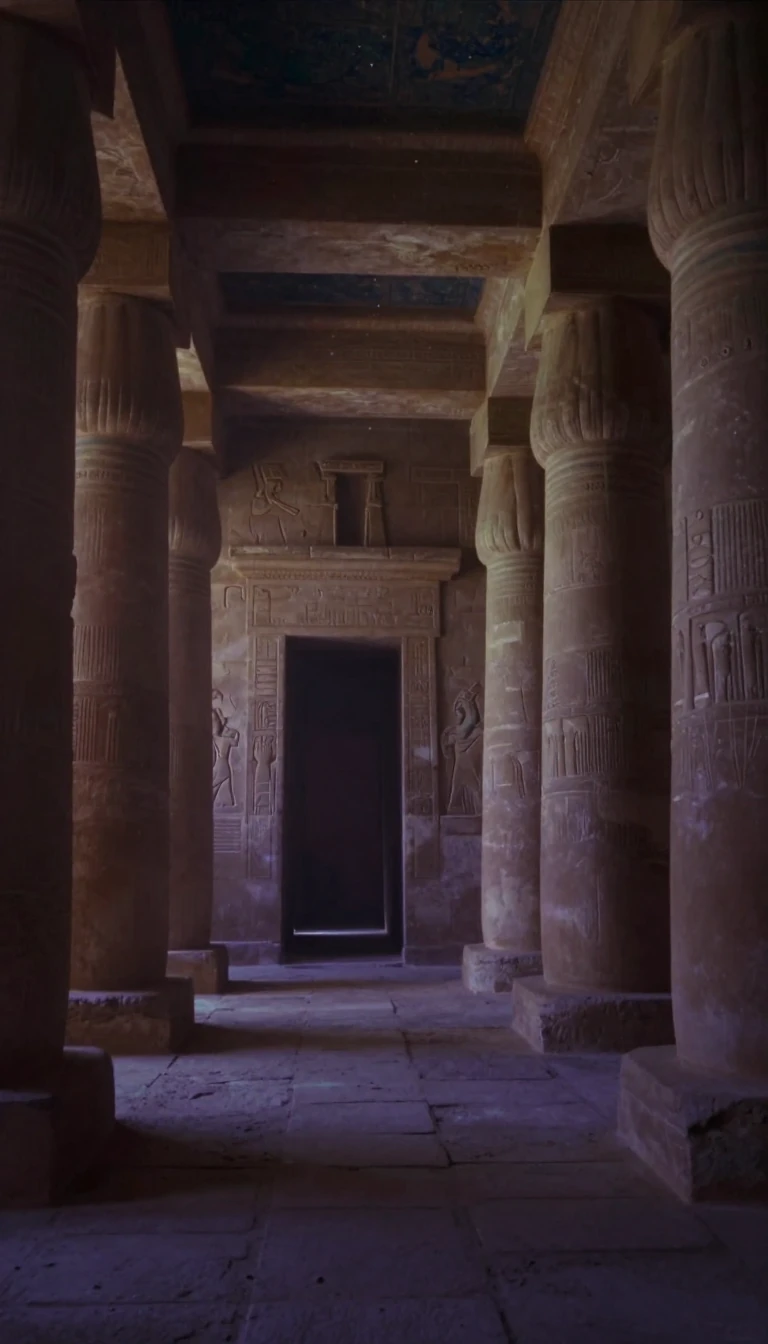
In short: Archaeologists are moving beyond traditional guessing games to decode ancient Egyptian art. By using portable X-ray fluorescence mapping, researchers can now analyze pigment compositions directly on temple walls without physical sampling. This shift toward chemical quantification is revealing unexpected artistic corrections and complex pigment mixtures that challenge our historical understanding.
For decades, the study of ancient Egyptian paintings relied on museum samples or theoretical reconstructions based on unfinished monuments. This approach often left significant gaps in our knowledge, forcing scholars to rely on archaeological intuition. However, a new interdisciplinary project is applying state-of-the-art portable X-ray fluorescence (XRF) mapping directly on-site at the Theban Necropolis. This technology allows for the precise, non-invasive imaging of the physical composition of painted surfaces, providing a more reliable foundation for scientific hypotheses.
The power of this method was recently demonstrated by the discovery of an unexpected correction during the analysis of a royal representation. While surface repaints were once considered rare in formal Egyptian artistic processes, the readable imaging provided by XRF mapping reveals a more complex reality. These findings suggest that the practical application of pigments often served symbolic purposes, leading to a more nuanced definition of how colors were utilized in intricate sets of representations.
While these advancements offer astonishing progress, they also highlight the limitations of current scientific reach. Researchers acknowledge that even with high-precision chemical data, these ancient treasures will continue to retain some of their defining mysteries. By moving away from physical sampling and toward a shared, interdisciplinary approach, the field is redefining how we interpret the work of ancient draughtsmen and painters, ensuring that our understanding of these monuments remains grounded in rigorous, material-based evidence.
Opens the Intellect+ feed with this card first. Swipe up for the next one.
Sources
- Summary by Intellect · source: Risk Assessment of Cnm-Positive <i>Streptococcus mutans</i> in Stroke Survivors (RAMESSES): Protocol for a Multicenter Prospective Cohort Study.
- Also: Hidden mysteries in ancient Egyptian paintings from the Theban Necropolis observed by in-situ XRF mapping.
- Also: Ramesses IV
To cite this card, link to https://intellectplus.co.uk/app/health-ramesses-iv.
How we source, check and correct cards: Editorial standards.
General information, not professional advice. Spotted an error? Flag the card or see corrections and complaints.
Intellect Plus is a visual educational discovery platform for exploring fascinating facts and ideas. Brain Food, Not Brain Rot. What is Intellect Plus?
Related
More in Archaeology · More in History · Latest · A–Z · All topics
