 Intellect Plus
Basics
46 cards. Each one is a 40-second story with a five-minute read behind it.
 Why Thailand's national flag is vertically symmetrical by designThe Thai flag, known as the Tri-Rong, was shaped by a royal reaction to an accident. Legend says King Vajiravudh was so appalled by an upside-down flag that he ordered a design wh…
 Why French historians stopped writing about kings and started studying the long-term patterns of life.For centuries, history was a parade of battles, treaties, and famous men. In 1929, the Annales school shattered this tradition, arguing that true history lies in the slow, invisib…
 How ancient DNA reveals the hidden history of human migration and plant domesticationArchaeogenetics blends molecular biology with archaeology to unlock secrets trapped in fossilized remains. By sequencing ancient DNA, researchers track prehistoric population move…
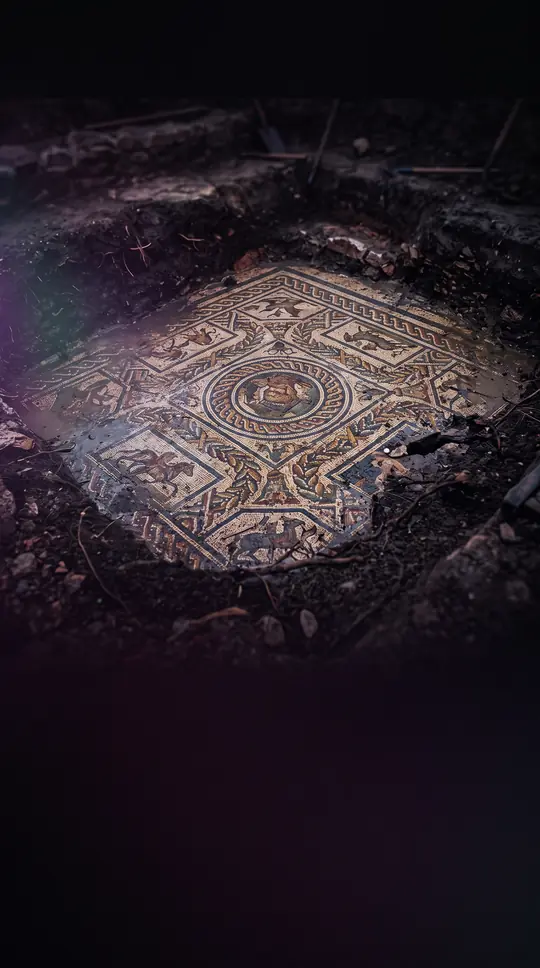 What defines an archaeological site when human activity leaves no clear boundaries?An archaeological site is more than just a ruin; it is any location where evidence of past human activity is preserved. Defining these spaces is notoriously difficult, as archaeol…
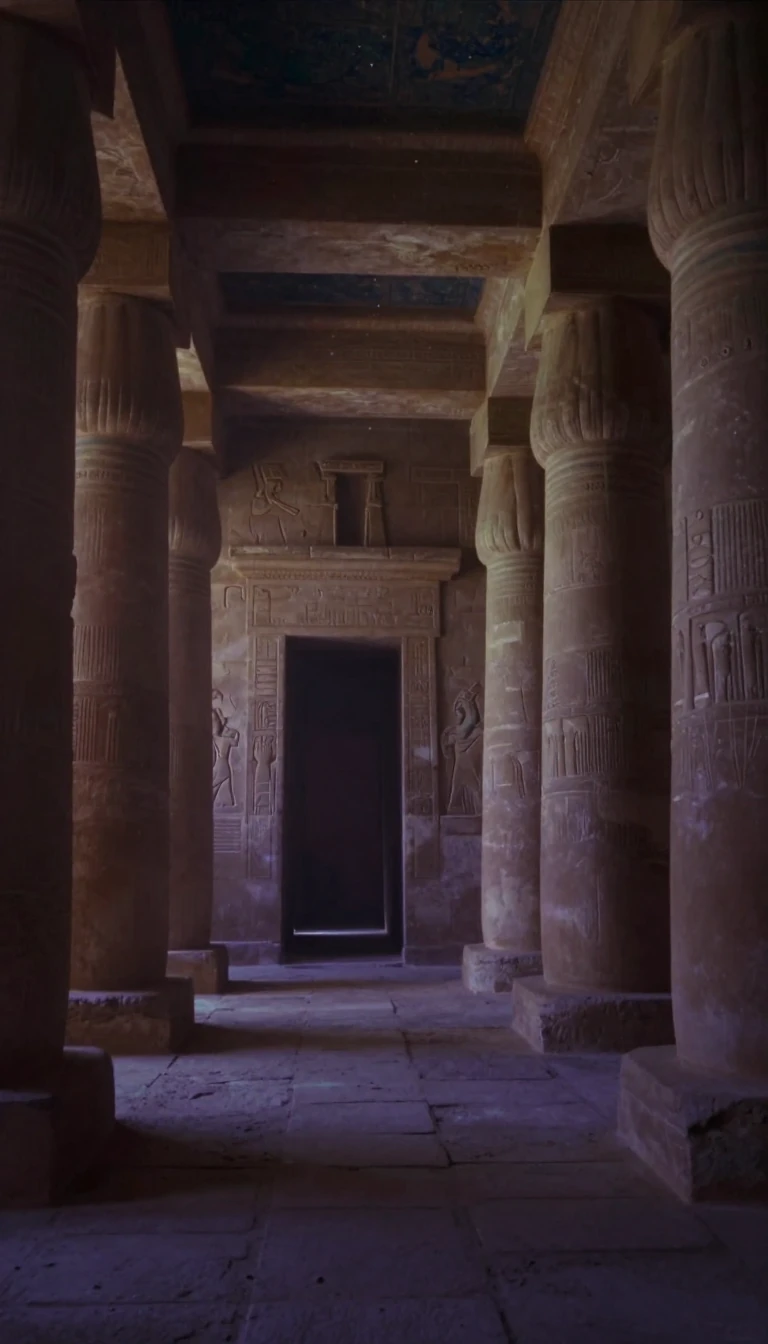 Archives are not just dusty storage; they are the bedrock of historical truth.Archival science is the systematic study of how we curate, preserve, and authenticate records to ensure they remain trustworthy. Far from passive storage, it is a rigorous discipl…
 From Roman Sails to Digital Ads: The Enduring Power of the BannerA banner is more than just a piece of cloth; it is a vessel for identity, protest, and commerce. From the ancient Roman vexillum to the modern web advertisement, this versatile me…
 Why your group's shared history might be a carefully constructed, collective illusionCollective memory is the shared pool of knowledge that defines a social group's identity. Yet, research suggests this memory is often less about objective history and more about t…
 Why do some societies surge ahead while others remain stagnant for centuries?Comparative history seeks the answer by placing different cultures side by side. By analyzing institutions like banking or slavery across borders and eras, scholars uncover patter…
 Is the Dannebrog the world's oldest national flag, or just a medieval legend?Denmark's flag, the Dannebrog, holds the Guinness world record for the longest continuous use of a national flag, dating back to 1625. Yet, its origins are shrouded in myth, with …
 Why the study of ancient documents is the ultimate defense against historical forgeryDiplomatics is not about international relations, but the rigorous science of verifying historical records. Born from a 17th-century academic feud, this discipline provides the to…
 Why Ethiopia's flag colors became the symbol of Pan-African resistance and independenceThe green, yellow, and red tricolour of Ethiopia is more than a national banner; it is a global icon of anti-colonial defiance. Adopted after a historic military victory, these co…
 The Indian tricolour evolved from a sectarian political symbol into a secular national emblem.India's national flag, the Tiraṅgā, is more than a simple tricolour. Its journey from a religious-themed banner used by the Indian National Congress to the official flag of the Re…
 The Indonesian flag is a centuries-old symbol of independence and ancient maritime powerIndonesia's red and white bicolor flag, known as the Sang Saka Merah Putih, carries a legacy far deeper than its 1945 adoption. Rooted in the banners of the 13th-century Majapahit…
 Why Iran’s national flag hides a secret countdown to a revolutionary dateThe current flag of Iran is more than a tricolor; it is a meticulously coded political statement. While the green, white, and red stripes represent Islamic faith, peace, and valor…
 Why Japan’s iconic sun flag is both a sacred symbol and a modern controversyThe Japanese flag, known as the Hinomaru, is a minimalist masterpiece of white and red. While its roots stretch back to ancient sun worship and the legendary goddess Amaterasu, it…
 Why Mexico’s flag features an eagle devouring a serpent on a cactusThe Mexican flag is more than a tricolour; it is a visual manifesto of a foundation myth. Its central emblem, depicting an eagle, a cactus, and a serpent, traces back to the 1325 …
- The enduring red banner: how Turkey standardized its iconic crescent and star flagThe Turkish flag is more than a national emblem; it is a deeply codified symbol of identity. Rooted in Ottoman history, its modern form was meticulously refined through decades of…
 Is objective history even possible, or are we just writing our own biases?Historians are the authorities on our past, yet they struggle with a fundamental paradox: strict objectivity is widely considered unattainable. Because every scholar is a product …
 Why do we protect old buildings and what makes a site truly historic?A historic site is more than just an old building. It is a legally protected vessel of cultural memory, often requiring strict adherence to preservation rules. From private homes …
 Do great individuals drive history, or are they merely puppets of impersonal forces?The debate over historical figures pits the Great Man theory against the belief in inevitable social currents. Are leaders the architects of human progress, or are they simply ins…
 Historical negationism is the deliberate distortion of the past to serve modern political agendas.Unlike legitimate historical revisionism, which updates understanding based on new evidence, negationism uses fraudulent tactics to rewrite history. By manipulating statistics, fo…
 History is not the past, but an ongoing argument that changes with every generation.We often mistake history for a fixed record of what happened. In reality, history is a dynamic, evolving narrative shaped by the people who write it. Far from being a modern radic…
 Why the most reliable history is often found in what remains unsaidPrimary sources are the bedrock of historical research, offering first-hand accounts from those who witnessed events as they unfolded. Yet, the true power of these artifacts—from …
 The Jolly Roger was never a single flag, but a terrifying pirate brand identity.The iconic skull-and-crossbones is synonymous with piracy, yet it was never a universal standard. During the golden age of piracy, captains flew highly personalized banners to str…
 Is local history merely national history writ small, or something far more profound?Local history is not just a miniature version of national events. It is a distinct, vital discipline that uses everything from land records to oral traditions to map the identity …
 Why a ship's flag is far more than just a piece of clothAt sea, flags are a complex language of authority, tradition, and etiquette. From the ensign that signals a nation's identity to the subtle, often mischievous, gin pennant used to…
 Why the study of coins is known as the Hobby of KingsNumismatics is far more than just hoarding loose change. It is a rigorous discipline tracing the evolution of currency, from ancient cowry shells to modern fiat money. Once the ex…
 Oral history captures the lived experience that written archives often leave behind.Oral history is more than just recording memories; it is a deliberate methodology for preserving the voices of people who participated in or observed past events. By capturing per…
 How a single tooth and a few bone fragments rewrote the history of humanity.Paleoanthropology reconstructs our evolutionary past by merging biological evidence like petrified bones with cultural artifacts like stone tools. While once focused on Asia, the …
 Why dividing time into chunks is the secret to mastery and historical understandingWhether you are training for an Olympic medal or analyzing the rise and fall of civilizations, success requires structure. Periodization breaks down vast, overwhelming goals into …
- Philately is far more than just collecting stamps; it is a rigorous historical science.While many view stamp collecting as a simple pastime, philately is the scholarly study of postal systems, production techniques, and historical narratives. From analyzing security…
 Why the distinction between primary and secondary sources is often a matter of perspectiveWe are taught that primary sources are original evidence and secondary sources are interpretations. Yet, this binary is surprisingly fluid. Depending on your research question, a …
 Is history meant for the ivory tower or the public square?Public history brings the discipline out of universities and into museums, archives, and digital spaces. It aims to make the past useful for everyone, not just academics. Yet, the…
 Why your digital clutter is a failure of institutional memory and risk managementRecords management is not just filing; it is the systematic control of information throughout its entire life cycle. By distinguishing between casual documents and formal records,…
 The star and crescent is not an ancient Islamic symbol, but a historical chameleon.Often mistaken for an inherent emblem of the Islamic faith, the star and crescent actually predates Islam by millennia. From ancient Mesopotamian iconography and Hellenistic coins…
 Why your favorite encyclopedia is technically a tertiary source, not a primary oneTertiary sources act as the ultimate digest of human knowledge, consolidating primary and secondary research into accessible overviews. While they are essential for grasping commo…
 Why most time capsules are actually just expensive, buried collections of useless junkTime capsules are intended as messages to the future, but historians argue they often fail their purpose. Instead of capturing the essence of daily life, they are frequently fille…
 From ancient fishing tool to divine weapon, the trident’s three prongs hold deep meaning.The trident is more than a mythological accessory. Originally a practical harpoon for tuna, this three-pronged tool evolved into a potent symbol of authority, divine power, and mi…
- Why the study of flags is a modern discipline with ancient rootsWhile flags have signaled identity since the dawn of civilization, the formal academic study of them is surprisingly recent. Coined in 1957, the term vexillology separates the ana…
- From Bronze Age markers to modern standards: the evolution of the military war flagLong before national flags flew over government buildings, armies carried field signs to identify their ranks and rally soldiers in the chaos of battle. From ancient Roman eagles …
- The white flag was not always a sign of surrender, but of royal allegiance.Today, a white flag is an internationally recognized symbol of truce or surrender. Yet, its origins are rooted in 12th-century French feudalism, where it served as the personal em…
 Is world history a single story of progress or a collection of disconnected pasts?World history seeks to transcend national borders, yet it struggles with a fundamental dilemma: without a master narrative, is it merely a fragmented list of regional events? From…
 Historians weigh relics, texts, and rumor before writing the pastResearching the past blends secondary accounts, firsthand traces, and archaeological material. Practitioners must judge each source's standing, then weave testimonies into a coher…
 History studies the human past yet also means the past itselfAs a discipline, history gathers evidence to explain what happened and why. The same word can mean events themselves, earlier eras, or a written account—and those narratives shift…
 From African origins to cities, empires, and global accelerationWorld history tracks Homo sapiens from deep prehistory through farming, bronze cities, axial faiths, and early modern exchange. Modern humans arose in Africa roughly three hundred…
 Clay tablet rooms at Ebla were archives before the word existedAn archive is both a curated pile of records and the place that keeps them. English borrowed French archives from Latin and Greek arkheion—the magistrates’ house—attesting the nou…