Why a ship's flag is far more than just a piece of cloth
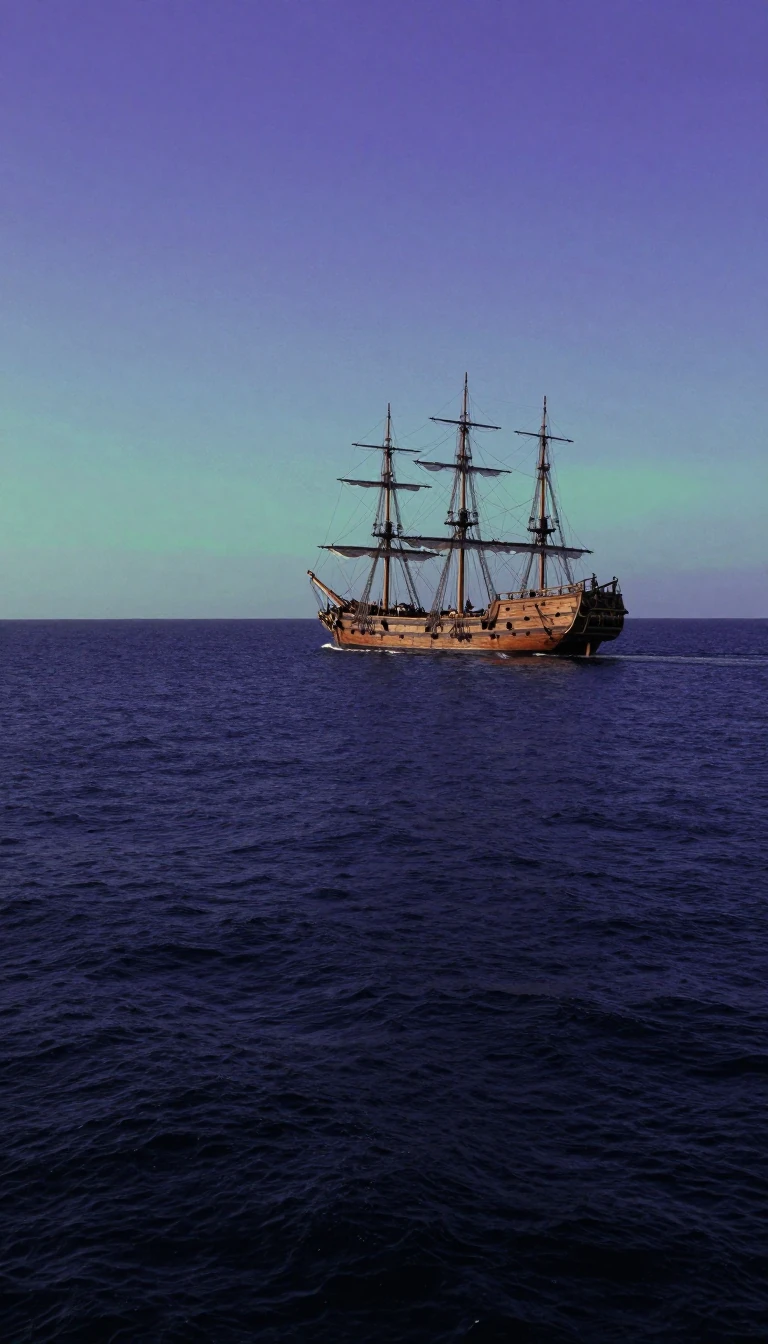
In short: At sea, flags are a complex language of authority, tradition, and etiquette. From the ensign that signals a nation's identity to the subtle, often mischievous, gin pennant used to invite officers for drinks, every hoist and dip follows strict rules that have evolved over centuries of naval history.
The maritime flag system is a rigorous hierarchy of communication. The most critical is the ensign, which identifies a ship's country of registration. Traditionally, the stern is the position of highest honor; thus, the ensign is flown there, either from a staff or a gaff. This placement remains superior to any flag flown higher up on the masts. When a ship enters foreign waters, it displays a courtesy flag—a smaller version of the host nation's ensign—to show respect, typically at the starboard yardarm or spreader.
Beyond national identity, flags serve as command tools. A rank flag, such as those flown by admirals, indicates the presence of a high-ranking officer or government leader, signaling that the vessel acts as a headquarters. Historically, these flags were essential for issuing orders before radio communication existed. Similarly, the commissioning pennant identifies a warship and its captain. If a ship lowers its ensign, it is a traditional signal of surrender. In battle, warships historically flew multiple ensigns to ensure one remained visible even if masts were damaged by gunfire.
Etiquette extends to social customs and specific organizational markers. The gin pennant, for instance, is a Commonwealth naval tradition used to invite officers from nearby ships for drinks. It is designed to be inconspicuous to limit the number of guests. Other flags, like the burgee, identify yacht clubs or denote unit citations. The system is so precise that even the vertical arrangement of two national flags carries a specific meaning: the flag in the superior position belongs to the captor, while the one below represents the captured vessel.
The evolution of these practices reflects changing technology and social norms. While some traditions, like the specific placement of ensigns on modern Bermudian-rigged sailboats, are debated as mere affectations, the core rules of maritime signaling remain strictly enforced. Whether it is the U.S. Navy's specific star-based rank flags or the unique markers used by the National Oceanic and Atmospheric Administration, these flags maintain order and clarity across the world's oceans.
Opens the Intellect+ feed with this card first. Swipe up for the next one.
Sources
- Summary by Intellect · source: Maritime flag
To cite this card, link to https://intellectplus.co.uk/app/history-maritime-flag.
How we source, check and correct cards: Editorial standards.
General information, not professional advice. Spotted an error? Flag the card or see corrections and complaints.
Intellect Plus is a visual educational discovery platform for exploring fascinating facts and ideas. Brain Food, Not Brain Rot. What is Intellect Plus?
Related
More in Basics · More in History · Latest · A–Z · All topics
