How a single tooth and a few bone fragments rewrote the history of humanity.
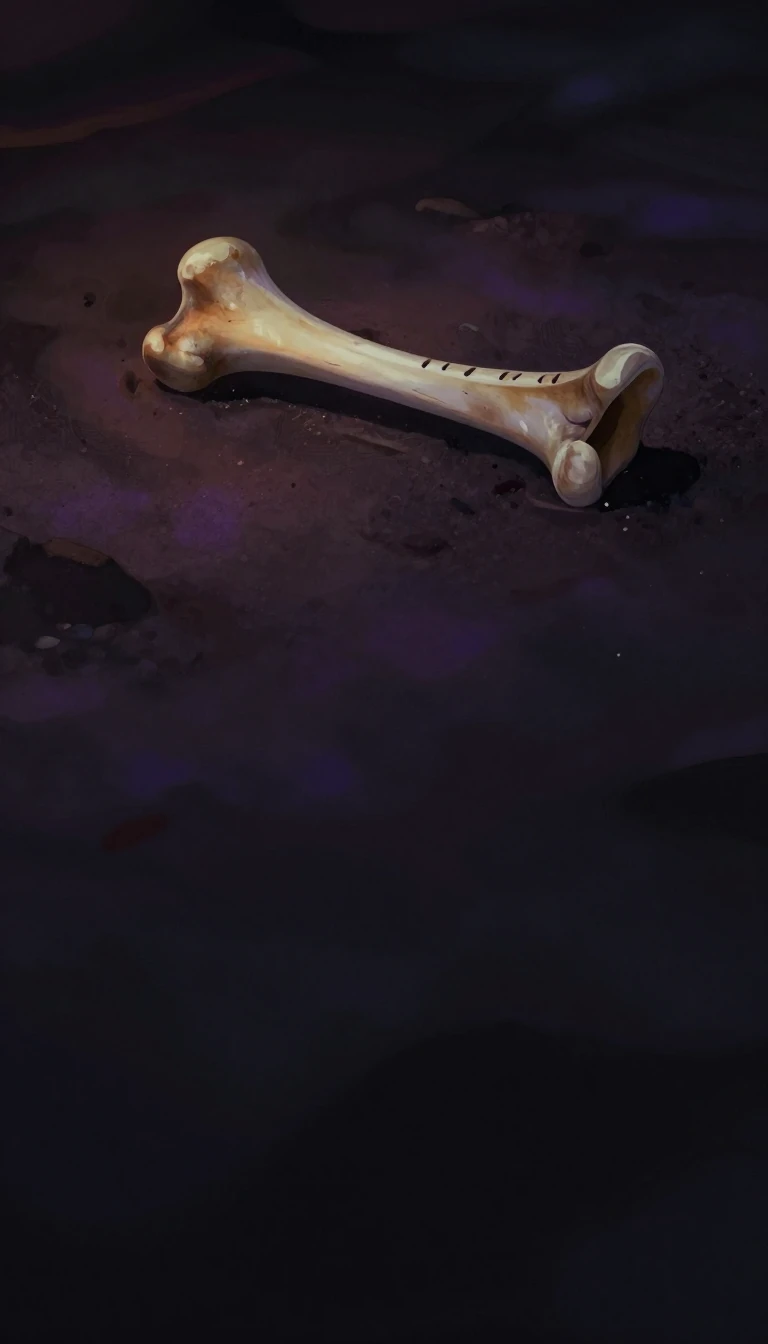
In short: Paleoanthropology reconstructs our evolutionary past by merging biological evidence like petrified bones with cultural artifacts like stone tools. While once focused on Asia, the field shifted its gaze to Africa, where a century of discoveries has transformed our understanding of how we became the only surviving human species.
Paleoanthropology is an interdisciplinary field that investigates the origins and development of early humans, known as hominization. By analyzing fossilized remains and cultural artifacts, researchers attempt to map the evolutionary kinship lines within the family Hominidae. The discipline integrates diverse sciences, including primatology, paleontology, and archaeology, while increasingly relying on genetics to compare DNA structures across related species.
The field emerged in the 19th century, spurred by the discovery of Neanderthal remains and the publication of Charles Darwin’s evolutionary theories. Early researchers often looked to Asia for human origins, leading to the famous Zhoukoudian excavations in China. However, the discovery of the Taung child in 1924 by Raymond Dart—which suggested bipedality preceded large brain development—and subsequent finds by the Leakey family in East Africa, shifted the scientific spotlight. These African discoveries, such as the Laetoli footprints and the Lucy skeleton, provided critical evidence for the antiquity of bipedalism.
Today, the field continues to evolve as new fossils are unearthed, from the 2002 discovery of Sahelanthropus tchadensis in Chad to the 2015 identification of Homo naledi in South Africa. These finds frequently challenge existing classifications, such as the debate over whether certain specimens represent distinct species or merely sexual dimorphism. As technology advances, the study of paleoanthropology remains a dynamic, often contentious effort to define the complex lineage of the Hominini tribe, of which Homo sapiens is the sole remaining member.
Opens the Intellect+ feed with this card first. Swipe up for the next one.
Sources
- Summary by Intellect · source: Paleoanthropology
- Also: www.britannica.com — Paleoanthropology | Human Evolution, Fossil Record & Anthropology | Britannica
To cite this card, link to https://intellectplus.co.uk/app/history-paleoanthropology.
How we source, check and correct cards: Editorial standards.
General information, not professional advice. Spotted an error? Flag the card or see corrections and complaints.
Intellect Plus is a visual educational discovery platform for exploring fascinating facts and ideas. Brain Food, Not Brain Rot. What is Intellect Plus?
Related
More in Basics · More in History · Latest · A–Z · All topics
